
BP Therapy Group Default Does Yoga Reduce Belly Fat? The Truth Behind This Popular Claim

Does Yoga Reduce Belly Fat? The Truth Behind This Popular Claim

If you’re looking to lose weight, you’ve probably heard of yoga as a way to help you achieve your goals. But can yoga really reduce belly fat? The answer is yes, but it’s not a magic solution.

Jane Benson of Bikram Yoga Mornington say “Yoga can be an effective tool for weight loss, including reducing belly fat.” Certain types of yoga, such as power yoga and vinyasa, are more physical and can help you burn more calories.

Additionally, yoga can help you make better lifestyle choices, which can contribute to weight loss. By reducing stress and improving sleep, you may be less likely to overeat or make poor food choices. You may refer to an expert in Bikram Yoga Mornington for more advice.

However, it’s important to remember that yoga alone is not enough to lose weight. To see real results, you need to combine yoga with a healthy diet and regular exercise.

While yoga can help you tone your muscles and reduce stress, it’s not a substitute for cardiovascular exercise or strength training. If you’re looking to lose weight and reduce belly fat, incorporating yoga into your fitness routine can be a helpful addition.

Exploring the Effectiveness of Yoga for Belly Fat Reduction

Understanding Belly Fat and Its Health Implications

Belly fat, also known as visceral fat, is a type of fat that accumulates around the abdomen. This type of fat is linked to various health problems such as heart disease, diabetes, and obesity.

Belly fat is considered one of the most dangerous types of fat because it surrounds vital organs and produces hormones that can disrupt the body’s normal functions.

The Role of Yoga in Enhancing Metabolism and Burning Calories

Yoga is a form of exercise that involves physical postures, breathing techniques, and meditation. It is a low-impact exercise that can be practiced by people of all ages and fitness levels.
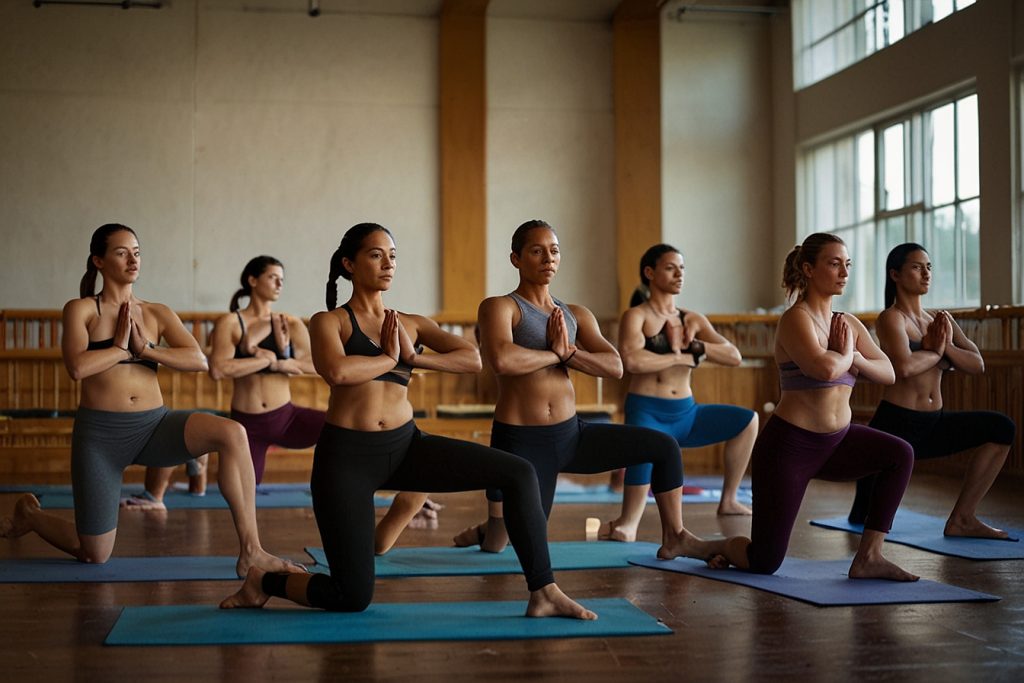
Bikram yoga class in Mornington

Yoga has been shown to increase metabolism and burn calories, which are essential for weight loss and fat loss. Additionally, yoga can help reduce stress and improve overall well-being.

Comparing Yoga with Other Forms of Physical Activity

Compared to other forms of physical activity, yoga may not burn as many calories as cardio or high-intensity exercises. However, yoga has been shown to be effective in reducing belly fat and improving overall body composition.

Additionally, yoga can help build muscle and tone the body, which can further enhance weight loss and fat loss.

Incorporating Yoga into a Holistic Approach to Weight Management

Yoga is a holistic practice that can help you achieve your weight management goals. By combining yoga with other lifestyle factors, you can create a comprehensive approach to weight loss that addresses all aspects of your well-being.

Diet and Nutrition: Complementing Yoga with Healthy Eating

Yoga and healthy eating go hand in hand. A balanced diet that includes plenty of whole foods, such as fruits, vegetables, and lean protein, can help you maintain a healthy weight.

A yoga mat with a calm, serene setting. A person in a yoga pose, surrounded by peaceful nature

It’s important to be mindful of your food choices and avoid processed foods, sugar, and excessive amounts of saturated fat.

Incorporating yoga into your daily routine can help you develop a greater awareness of your body’s needs. This awareness can help you make healthier food choices and avoid overeating.

Lifestyle Factors Influencing Weight: Stress, Sleep, and Mindfulness

Stress, lack of sleep, and a lack of mindfulness can all contribute to weight gain. Yoga can help you manage stress, improve your sleeping patterns, and increase your mindfulness.

Yoga has been shown to reduce cortisol, the stress hormone, which can help to reduce anxiety and promote a sense of calm.

Practicing yoga before bed can also help you fall asleep faster and improve the quality of your sleep.

Mindfulness practices, such as meditation and deep breathing, can help you become more aware of your thoughts and emotions. This awareness can help you identify triggers for unhealthy eating habits and make more mindful choices.

Sustaining Weight Loss: Maintenance Strategies and Mindset

Maintaining weight loss can be challenging, but with the right strategies and mindset, it is possible.

Incorporating yoga into your daily routine can help you develop a more positive mindset and increase your awareness of your body’s needs.

A person practicing yoga in a serene, natural setting, surrounded by greenery and sunlight, with a focus on deep breathing and mindful movement

Regular yoga practice can also help you maintain your weight loss by improving your overall fitness level.

By building strength and flexibility, you can increase your metabolism and burn more calories throughout the day.

In addition to yoga, it’s important to maintain a healthy lifestyle that includes regular exercise, healthy eating, and stress management.

By adopting these habits, you can create a sustainable approach to weight management that supports your overall health and well-being.

Related Post

Building Intimacy Through Respecting BoundariesBuilding Intimacy Through Respecting Boundaries

Intimacy is the cornerstone of any thriving relationship. It’s the invisible thread that weaves together trust, vulnerability, and connection. While often associated with physical closeness, true intimacy encompasses emotional and psychological closeness as well. One crucial aspect of fostering this deep connection is understanding and respecting each other’s boundaries according to https://ourculturemag.com/2024/04/06/top-8-online-dating-tips-for-finding-your-perfect-match/.  

Boundaries are the invisible lines we draw to protect our physical, emotional, and mental well-being. They define what we are comfortable with and what we are not, in terms of physical touch, emotional sharing, personal space, and even time commitments. Respecting these boundaries is essential for creating a safe and secure space where both partners feel valued and understood.  

Encouraging Open Communication

Open and honest communication is the bedrock of any healthy relationship, and it plays a vital role in navigating boundaries. Encourage your partner to express their needs and limits freely. Instead of making assumptions, ask open-ended questions like:

  • “What are you comfortable with when it comes to physical affection?”
  • “How much personal space do you need?”
  • “What topics are you not ready to discuss yet?”
  • “What makes you feel uncomfortable or unsafe?”

These conversations shouldn’t feel like interrogations but rather explorations of each other’s inner landscape. Approach these discussions with curiosity, empathy, and a genuine desire to understand your partner’s perspective. Active listening is key. Pay attention not only to the words being spoken but also to the emotions behind them according to https://www.exposedmagazine.co.uk/features/dating-expert-for-finding-love/.

Respecting Boundaries Builds Trust

Respecting your partner’s boundaries, even when they differ from your own, is a powerful way to build trust and deepen your connection. It shows that you value their needs and are willing to prioritize their comfort. This fosters a sense of safety and security, allowing both partners to be more vulnerable and authentic with each other.

When boundaries are consistently respected, it creates a positive feedback loop. Your partner feels heard and understood, which encourages them to be more open about their feelings and needs in the future. This strengthens communication and creates a foundation of mutual respect.

Navigating Challenges with Compassion

It’s important to remember that boundaries are not static; they can evolve over time as individuals grow and change. Be prepared to revisit these conversations periodically and be receptive to any shifts in your partner’s needs.  

There might be times when you unintentionally cross a boundary. If this happens, acknowledge your mistake, apologize sincerely, and make a conscious effort to avoid repeating it. It’s crucial to avoid getting defensive or dismissive. Instead, focus on understanding the impact your actions had on your partner.

Boundaries and Emotional Connection

Respecting boundaries is not just about avoiding conflict; it’s about fostering a deeper emotional connection. When both partners feel safe and respected, they are more likely to share their true selves, including their fears, dreams, and vulnerabilities. This emotional intimacy is the glue that holds relationships together.

By creating a space where both partners feel comfortable expressing their needs and setting limits, you are nurturing a relationship built on mutual respect and understanding. This, in turn, leads to a more fulfilling and intimate connection.

Beyond Boundaries: Managing Communication Obstacles

Discussing boundaries is an excellent starting point for broader conversations about intimacy. It paves the way for tackling potential obstacles in communication. Once you’ve established a foundation of respect and understanding, you can move on to more complex topics, such as:

  • Different communication styles: Recognize that you and your partner may have different ways of expressing yourselves. Be willing to adapt and find common ground.
  • Conflict resolution: Develop healthy strategies for navigating disagreements and resolving conflicts constructively.
  • Expressing needs and desires: Learn to communicate your own needs and desires clearly and respectfully.

By proactively addressing these communication challenges, you can build a stronger and more resilient relationship.

In Conclusion

Respecting boundaries is not just a matter of courtesy; it’s an essential ingredient for building intimacy and fostering a healthy, fulfilling relationship. By encouraging open communication, actively listening to your partner’s needs, and consistently respecting their limits, you create a safe and secure space for both of you to thrive. This not only strengthens your bond but also paves the way for deeper emotional connection and a more satisfying relationship.

The London Blueprint: Building a Life That LastsThe London Blueprint: Building a Life That Lasts

Living in London is a high-octane experience. Between the relentless pace of the Underground, the competitive career ladders, and the magnetic pull of a city that never stops, it’s easy to get swept up in the chaos. While most people move here to chase a professional dream or a specific lifestyle, the real challenge isn’t just surviving the city—it’s ensuring your relationship thrives alongside you according to  https://postmaniac.com/.

Planning Your Shared Roadmap

In a city this demanding, spontaneity is great for a Friday night, but long-term success requires a bit of strategy. Strategic planning isn’t just for corporate boardrooms; it is a vital tool for a healthy relationship. Whether you are debating moving further out for more green space or considering a major career pivot, being on the same page is essential according to  https://angelagallo.com/.

Discussing finances and long-term goals early on prevents “London burnout” from creating cracks in your foundation. When you approach the future as a unified front, your relationship becomes a source of power rather than a point of contention. You aren’t just two people living in the same flat; you are a team taking on the world together.

Finding Calm in the Commotion

The sheer speed of London life can often lead to high-speed tempers. When you’re exhausted from a long commute or a stressful day at the office, it’s easy to let that frustration leak into your home life. This is where mindfulness becomes a game-changer. Practicing patience and active listening can reduce conflict in your relationship by a significant margin.

When the city feels loud, overwhelming, and indifferent, your relationship should be the one place that feels like a sanctuary. It’s the quiet harbor where you can drop your guard and simply be yourself.

Redefining Success

In London, we are conditioned to measure success by job titles, postcodes, or the size of our bonuses. However, the true gold standard of a life well-lived is a happy relationship. No amount of professional prestige can replace the steady support of a partner who truly sees you.

It is vital to celebrate each other’s wins, no matter how small they might seem in the context of a global metropolis. Acknowledging a hard-earned promotion is important, but acknowledging the effort your partner puts into the relationship is what keeps the spark alive over the years.

The Power of Small Moments

The resilience of your relationship isn’t usually forged in grand gestures or expensive holidays. Instead, it’s built in the “micro-moments”—the morning coffee shared before the rush, the thoughtful text sent during a frantic afternoon, or the way you laugh together over a delayed tube ride home. These tiny, consistent interactions are the glue of your relationship.

women frequently doing yoga

How Many Times a Week Should I Do Hatha Yoga? A Mornington, Australia Guide to Optimal PracticeHow Many Times a Week Should I Do Hatha Yoga? A Mornington, Australia Guide to Optimal Practice

If you’ve recently stepped into the calming embrace of Hatha yoga, you’re likely wondering, “How many times a week should I do Hatha yoga to see real benefits?” This ancient practice, known for its gentle pace and focus on physical postures (asanas), breathing techniques (pranayama), and meditation, is perfect for both beginners and seasoned yogis alike.

women frequently doing yoga

Mornington, Australia, with its picturesque coastline and wellness-focused community, offers a perfect backdrop to start or deepen your Hatha yoga journey. With Jane Benson of Bikram Yoga Mornington, we’ll unpack the ideal frequency for Hatha yoga practice, tailored for the lifestyle and environment of Mornington residents. Whether you attend local studios, like Mornington Yoga Studio or practice at home with scenic views of Port Phillip Bay, this guide ensures you optimize your yoga routine for health, flexibility, and inner peace.

Understanding Hatha Yoga and Its Benefits

Hatha yoga focuses on physical and mental balance. Derived from Sanskrit, Ha means sun, and Tha means moon—symbolizing the union of opposites. Practicing Hatha yoga improves strength, flexibility, stress relief, and mindfulness. The gentle pace makes it accessible for all ages and fitness levels.

Key benefits include:

  • Increased flexibility and muscle tone
  • Improved posture and alignment
  • Enhanced breathing capacity and lung function
  • Stress reduction and mental clarity
  • Better sleep and overall wellbeing

For Mornington locals, who often lead active lifestyles filled with outdoor activities like hiking in the Mornington Peninsula National Park or cycling along the coastal trails, Hatha yoga complements physical health and promotes recovery.

How Many Times a Week Should You Practice Hatha Yoga?

1. Beginners: 2-3 Times per Week

If you’re new to Hatha yoga, start slow. Practicing 2 to 3 sessions per week allows your body to adjust to new stretches and movements without overstraining muscles. Each session lasting between 45 minutes to an hour is ideal to learn foundational poses like Downward Dog (Adho Mukha Svanasana), Mountain Pose (Tadasana), and basic pranayama techniques.

Locals in Mornington often combine these sessions with outdoor activities, making Hatha yoga a gentle recovery tool and a stress-reliever after busy days.

2. Intermediate Practitioners: 3-5 Times per Week

Once your body builds strength and flexibility, increase your practice frequency to 3 to 5 times weekly. This helps deepen your poses and improve your mental focus. At this stage, integrating longer sessions or attending specialized classes at studios like Pilates and Bikram Yoga Mornington can elevate your routine.

3. Advanced Practitioners: 5-7 Times per Week

Dedicated yogis aiming for a holistic lifestyle might practice daily or nearly daily. Practicing 5 to 7 times per week is common for those seeking profound spiritual and physical transformation. Such practitioners often include a mix of asanas, pranayama, and meditation.

Factors Influencing Your Ideal Hatha Yoga Frequency

Personal Health and Fitness Goals

Your body’s needs and goals shape how often you should do Hatha yoga. Are you targeting stress relief, flexibility, or strength? For mental calmness, a few sessions weekly can be sufficient. For muscle toning and flexibility, more frequent practice is beneficial.

Time Availability and Lifestyle in Mornington

Mornington’s laid-back lifestyle encourages a balanced routine. Many residents incorporate wellness habits like yoga, beach walks, and spa visits. Finding time for 3 sessions per week, whether morning or evening, fits well with most schedules.

Physical Condition and Previous Experience

If recovering from injury or managing chronic conditions, consult a healthcare professional. Tailored Hatha yoga sessions, sometimes fewer in number but highly focused on therapeutic poses, can aid healing.

Local Mornington Yoga Resources

For those in Mornington, Australia, the local yoga community is welcoming and vibrant. Some popular places to practice Hatha yoga include:

  • Mornington Yoga Studio – Known for beginner-friendly Hatha classes and expert instructors.
  • Pilates and Yoga Mornington – Offers combined Pilates and Hatha yoga classes focusing on core strength and flexibility.
  • Bay Fitness Centre Mornington – Incorporates Hatha yoga in their holistic fitness approach.

These studios often provide flexible class schedules, workshops, and private sessions, making it easy to fit your preferred frequency.

Practical Tips for Your Hatha Yoga Practice in Mornington

  • Consistency Over Intensity: Aim for regular, sustainable practice. It’s better to do 30 minutes consistently than overdo it once a week.
  • Listen to Your Body: Rest when needed, especially if practicing 5+ times a week. Recovery is part of progress.
  • Blend Indoor and Outdoor Practice: Take advantage of Mornington’s natural beauty—practice yoga at local parks or beaches like Mornington Foreshore Reserve for fresh air and inspiring views.
  • Hydrate and Nourish: Mornington’s fresh local produce, like berries and seafood, supports your body’s recovery and energy.
  • Use Online Resources: When busy, supplement studio visits with online Hatha yoga videos tailored to your level.

The Science Behind Hatha Yoga Frequency

Research indicates that practicing yoga 3 to 5 times weekly offers optimal benefits for physical and mental health. A 2018 study published in the Journal of Alternative and Complementary Medicine found improvements in flexibility, strength, and mood with this frequency.

Mornington’s wellness community, including health professionals and yoga teachers, often advocate this balanced approach—enough to see results but avoiding burnout.

Conclusion: Finding Your Perfect Balance

So, how many times a week should you do Hatha yoga? The sweet spot for most Mornington residents falls between 2 to 5 times weekly depending on your experience, goals, and lifestyle. Start gently if you’re a beginner, and gradually increase as your body adapts.

Hatha yoga is not just exercise—it’s a lifestyle that nurtures mind, body, and spirit. Whether you choose to practice beside the tranquil waters of Port Phillip Bay or in a cozy Mornington studio, regular Hatha yoga can transform your wellbeing and help you savor the best of what Mornington, Australia has to offer.