BP Therapy Group Default Helping Dogs Navigate New Mobility Challenges

Helping Dogs Navigate New Mobility Challenges

A dog’s ability to move freely influences many aspects of everyday life. Simple activities such as greeting family members, exploring familiar spaces, and spending time outdoors all depend on physical comfort and coordination. When movement becomes restricted, these routines may require adjustments to accommodate changing needs.

Mobility challenges can develop gradually or follow an injury, illness, or age-related change. Although reduced movement may alter how dogs interact with their surroundings, it does not mean they must give up every activity they enjoy. With appropriate assistance and a supportive environment, caregivers can help maintain opportunities for movement, exploration, and companionship.

Understanding Shifts in Canine Mobility

Changes in movement do not always happen suddenly. Some dogs begin showing small behavioral differences, such as taking longer to stand, avoiding stairs, or becoming less interested in extended walks. Others may struggle with balance or appear hesitant when navigating unfamiliar surfaces.

These signs can indicate that ordinary activities have become physically demanding. Observing changes in posture, walking patterns, and daily behavior can help caregivers recognize when additional assistance may be appropriate.

Veterinary guidance is important when mobility problems develop, particularly when they involve pain, sudden weakness, or difficulty standing. Once the dog’s needs have been assessed, suitable support options can be considered. For some dogs, a dog wheelchair may provide additional stability and make controlled movement more accessible.

Supporting Movement Without Removing Independence

Mobility equipment should complement a dog’s remaining physical abilities whenever possible. The purpose is to provide assistance where movement has become difficult while allowing the animal to participate actively.

For example, dogs experiencing weakness in their hind legs may benefit from equipment that supports the rear portion of their bodies. This arrangement can allow their front legs to contribute to movement while the equipment helps provide additional balance.

Individual needs should guide the selection process. Dogs differ in size, body proportions, strength, and the location of their mobility limitations. Choosing equipment that accommodates these differences can help create a more comfortable experience.

Finding Equipment That Matches Specific Needs

Selecting mobility assistance involves more than choosing a product based on appearance or general size categories. Caregivers should consider the dog’s measurements, physical condition, remaining strength, and intended activities.

A properly selected pet wheelchair can offer additional support for dogs that have difficulty moving independently. Different designs accommodate different mobility requirements, making it important to understand how each configuration supports the animal.

The surrounding environment also matters. A dog that spends considerable time indoors may have different equipment requirements from one that regularly explores outdoor spaces. Surface conditions, available room, and the dog’s comfort should all influence how mobility assistance is incorporated into daily life.

Keeping Movement Part of Everyday Routines

Reduced mobility does not automatically eliminate the value of physical activity. Depending on the dog’s condition, appropriately supervised movement may help maintain muscle engagement, coordination, and general conditioning.

The appropriate level of activity should always reflect the animal’s individual capabilities. Dogs recovering from injuries or managing ongoing physical limitations may require specific restrictions or rehabilitation recommendations from a veterinary professional.

Rather than focusing on distance or duration, caregivers can prioritize manageable opportunities for movement. Short indoor sessions, supervised outdoor activities, and gentle exploration may provide useful ways to keep dogs engaged without creating excessive physical demands.

Encouraging Curiosity and Exploration

Dogs experience their surroundings through movement and their senses. Investigating unfamiliar smells, observing outdoor activity, and following familiar household routines all provide mental stimulation.

When walking becomes difficult, these experiences may become less frequent. Some dogs gradually spend more time resting because reaching interesting areas requires greater effort.

Mobility assistance can help restore access to certain activities. With suitable support, a dog may have more opportunities to explore the yard, accompany family members around the home, or enjoy supervised time outside.

These moments contribute to more than physical activity. They also provide variety, stimulation, and opportunities for interaction with familiar surroundings.

Making Mobility Equipment Familiar

Introducing a wheelchair or other mobility aid requires patience. New equipment can produce unfamiliar sensations, and some dogs need time to become comfortable wearing it.

Starting with brief introductions in a familiar environment can make the experience less overwhelming. Caregivers may initially allow the dog to investigate the equipment before progressing to supervised fitting and short periods of supported movement.

Throughout this process, observing the dog’s reactions is essential. Signs of discomfort, unusual posture, or difficulty moving may indicate that adjustments are needed.

Progress should follow the dog’s pace rather than a fixed schedule. Gradual exposure and positive encouragement can help build familiarity without making the experience stressful.

Why Proper Measurements Matter

The effectiveness of mobility equipment depends heavily on its fit. Incorrect dimensions or poorly positioned support components can interfere with movement and create unnecessary discomfort.

Caregivers should follow the manufacturer’s measurement instructions and verify that the equipment accommodates the dog’s body proportions. Harness positioning, frame alignment, and clearance around the legs should also be checked before regular use.

As a dog’s physical condition changes, the original fit may need to be reassessed. Periodic inspections help identify adjustments that could improve comfort and stability.

For additional information, caregivers can explore resources from Best Friend Mobility, which offers guidance related to canine mobility products and support options.

Adjusting Activities Around Changing Abilities

A mobility challenge may require changes to familiar routines, but those adjustments do not have to eliminate meaningful experiences.

Longer outings can be replaced with shorter supervised sessions. Indoor pathways can be kept clear, while outdoor activities can take place on more accessible surfaces. Rest periods can also be incorporated to prevent unnecessary exertion.

The most useful routine is one that considers the dog’s current condition rather than attempting to recreate previous activity levels. Consistency, observation, and appropriate assistance can make everyday experiences easier to manage.

Preserving Everyday Experiences

A dog’s well-being involves more than physical performance. Companionship, familiar routines, sensory experiences, and opportunities to participate in family activities all contribute to daily enjoyment.

Mobility assistance can help reduce some of the barriers that prevent dogs from accessing these experiences. With suitable equipment and thoughtful adjustments, caregivers can continue providing opportunities for movement and interaction.

Rather than focusing on bringing back every lost capability, caregivers can prioritize creating supportive surroundings that allow dogs to enjoy daily activities, maintain interest in their environment, and stay connected with their families as their physical needs evolve.

Moving Forward With the Right Support

Mobility limitations may change how dogs approach everyday activities, but they do not have to define every part of their lives. Understanding individual needs, seeking appropriate guidance, and selecting suitable equipment can help caregivers develop more manageable routines.

With patience and consistent support, dogs can continue enjoying opportunities to move, explore, and spend meaningful time with their families. Even when familiar activities require a different approach, maintaining comfort and participation can make a meaningful difference.
Related Post

Finding a Balance in Family Traditions and Holiday Celebrations: Making CompromisesFinding a Balance in Family Traditions and Holiday Celebrations: Making Compromises

Holiday festivities and family customs can weave together to form a beautiful but complex pattern in the tapestry of relationships between two people from different origins. It may be difficult to navigate this cultural fusion, particularly when deeply held values and rituals clash. However, the skill of compromise—the desire to find a middle ground that honors both cultures while establishing new shared traditions—is the key to maintaining harmony and promoting a feeling of oneness according to charlotteaction.org.

Honoring Both Traditions:

Taking an active role in the customs of both spouses is one way to embrace diversity over the holidays. To create special and meaningful experiences, this may entail switching between celebrating each other’s holidays or even fusing parts of each. For example, a Hindu-Christian marriage may celebrate Diwali and Christmas together, adding elements of both traditions to the celebrations. By allowing both couples to share their ancestry with one another, this inclusive approach not only shows respect for various cultural identities but also promotes a greater knowledge and appreciation of each partner’s distinctive customs according to charlotte action website.

Establishing Novel Collective Customs:

While individual holiday celebration is important, creating new customs together may be just as important to forging enduring bonds. This might be combining aspects of both cultures into one celebration or coming up with brand-new customs that are particularly meaningful to the couple. A couple that is Chinese and Jewish, for instance, might have a “Chinesewanukah” by include Chinese cuisine and décor in their Hanukkah celebrations. As an alternative, they may start a new custom of blending foods from both cultures to have a special dinner on the eve of each festival.

Making a compromise out of love and respect:

Compromise is a strong symbol of the love and respect that a couple shares, especially when it comes to family customs and holiday festivities. It displays a readiness to put the connection ahead of personal preferences, promoting a feeling of cohesion and solidarity. When partners are open to adjusting to and appreciating one another’s cultural origins, they foster an environment where variety is valued and distinctions are viewed as chances for development and enrichment.

Handling Difficulties and Misunderstandings:

Although the idea of compromise is straightforward, putting it into practice may be difficult. It calls for honest communication, compassion, and a readiness to let go of inflexible standards. Conflicts and misunderstandings might occur, particularly when there are strong traditions at stake. Couples may overcome these obstacles and come out stronger and closer if they tackle them patiently and understandingly. It is crucial to keep in mind that compromise is about finding a middle ground where both parties feel appreciated and respected, not about giving up one’s cultural identity.

Benefits of Making a Compromise:

There are several benefits to making concessions when it comes to family customs and holiday festivities. It makes everyone’s cultural experience richer and more varied while also fortifying the tie between spouses. Growing up in such a setting helps kids respect other cultures and broaden their perspective on the world. Furthermore, reaching a compromise encourages inclusion by giving everyone a sense of belonging and respect for their customs.

In summary:

The strands of family customs and holiday celebrations can weave together to form a colorful and complex pattern in the mosaic of connections when many cultures collide. Couples may manage this cultural fusion with grace and respect by learning to embrace the art of compromise, which will help them feel more united and unified. Crucial elements of this process include valuing the partnership over personal preferences, celebrating both cultures, and starting new shared rituals. Even if there could be obstacles along the way, compromising has incalculable benefits that improve relationships between spouses and give all parties a more varied and deep cultural experience.

The Art of the London Wait: Why Queuing is the Ultimate Relationship TestThe Art of the London Wait: Why Queuing is the Ultimate Relationship Test

London is a city defined by its queues. From the winding line for a late-night bagel on Brick Lane to the rain-soaked stretches outside Wimbledon or a sold-out West End show, waiting is practically a local sport. But for couples navigating the London dating scene, a long queue isn’t just a barrier to entry—it’s a revealing microcosm of the relationship itself according to  https://www.reveriepage.com/.

When you stand in a queue with your partner, it might seem like a simple, everyday moment, but it is actually a prime opportunity to build a deeper connection and ease potential frustration. In the hustle of the capital, we are often rushing from one landmark to the next. The queue forces a rare pause. However, that pause can quickly turn sour without the right approach.

Preparation is the Secret Ingredient

The key to a successful London wait is preparation. Hunger-induced irritability—or “being hangry”—is the silent killer of romance in a slow-moving line. Successful couples know to pack essentials: a bottle of water, a few snacks, and perhaps an umbrella (an absolute must for London’s unpredictable climate) according to  https://www.thecoffeemom.net/how-to-bounce-back-to-dating-after-a-divorce/.

Beyond physical comforts, your attire matters. Wearing stylish but practical layers prevents the creeping chill of a London evening from dampening your mood. When you aren’t focused on your cold toes, you can focus on each other.

The Entertainment Factor

Because time tends to stretch when you’re standing still, keeping yourselves entertained is vital. Small diversions can transform what feels like an eternity into moments of shared enjoyment. Whether it’s a travel-sized game, a favorite book, or sharing a pair of earphones to listen to a podcast, these tools create a private world within the crowd. It allows you to bond without the pressure of constant, forced conversation.

Communication and Compromise

None of this works without open communication—the secret ingredient that keeps any joint activity smooth. London queues can be testing; one person might feel restless while the other is content to people-watch. Talking honestly about how you’re feeling helps prevent the “queue-quarrel.”

By adopting these mindful habits, couples turn what might be an annoying chore into a shared ritual. It’s remarkable how an ordinary London queue can become an exercise in patience and mutual care, laying the groundwork for a stronger bond long after you’ve reached the front of the line.

From Concept to Creation: How Massage Chairs Work from Design to DeliveryFrom Concept to Creation: How Massage Chairs Work from Design to Delivery

The massage chair you adore took a long road to reach your home. It began as a mere concept, evolved through detailed designs, and underwent rigorous testing. But how massage chairs work right from the drawing board to when they hum into action? Let’s trace the fascinating lifecycle of these relaxation masterpieces.

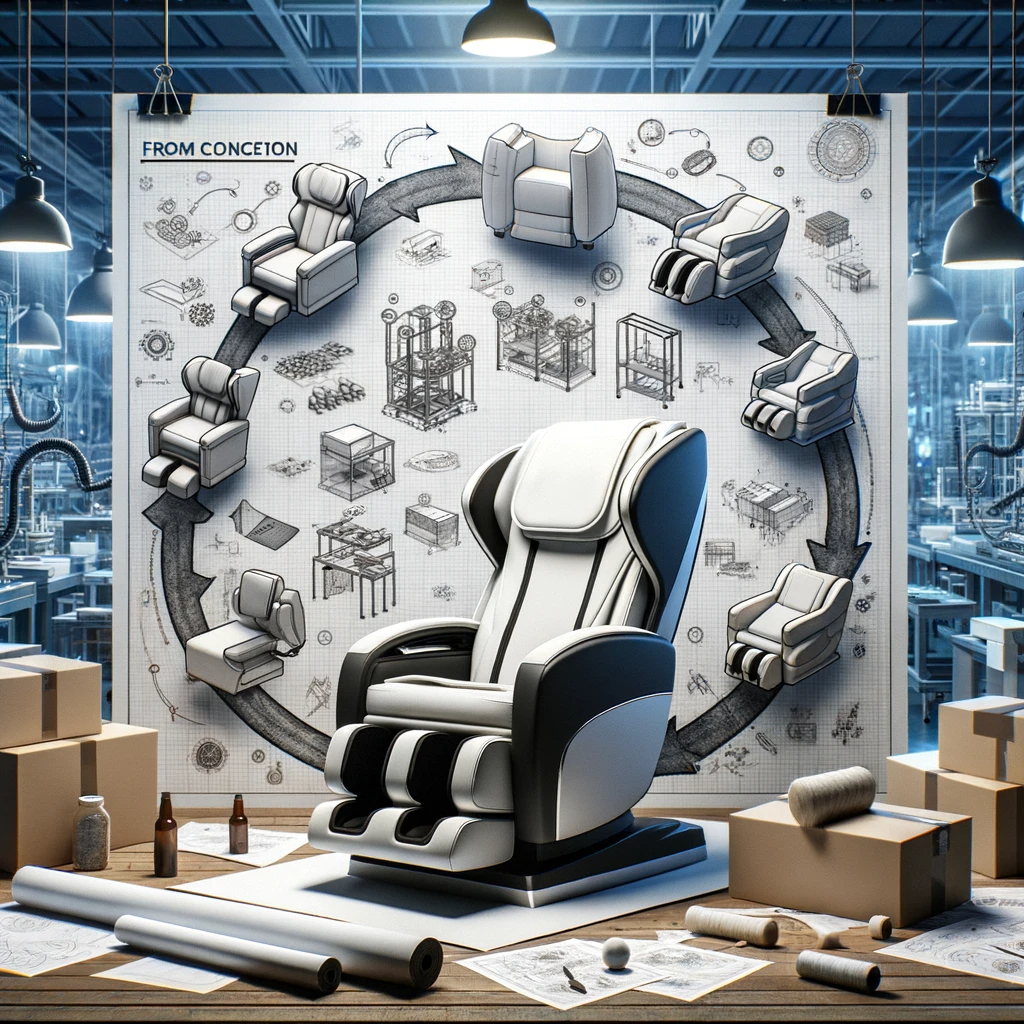
Lifecycle of a massage chair from design sketches to final product.
Crafting Comfort: The Journey of a Massage Chair.

1. The Spark: Ideation and Conceptualization

Every great product starts with a brilliant idea. For massage chairs:

  • Market Research: Understanding customer needs, current trends, and gaps in the market.
  • Inspiration: Drawing from traditional massage techniques, new technologies, or even therapeutic practices from around the world.

2. Detailed Design: Crafting the Blueprints

Once the concept is clear, the technicalities come into play:

  • Ergonomic Considerations: Ensuring the chair design caters to diverse body shapes and sizes.
  • Component Layout: Deciding the placement of rollers, airbags, heating elements, and other mechanisms.
  • Aesthetic Choices: Picking materials, colors, and styles that are both functional and visually appealing.

3. Prototyping: Breathing Life into Ideas

With designs in hand, a prototype is created:

  • Material Testing: Selecting durable and comfortable materials.
  • Mechanical Tests: Ensuring rollers, airbags, and other parts work in sync.
  • User Trials: Getting feedback on comfort, functionality, and user experience.

4. Rigorous Testing: Ensuring Perfection

Before mass production, prototypes undergo stringent tests:

  • Durability Testing: Simulating years of usage to guarantee longevity.
  • Safety Checks: Ensuring all electrical and mechanical components meet safety standards.
  • Comfort Evaluation: Ensuring the chair delivers the intended relaxation and therapeutic effects.

5. Production: Manufacturing Magic

Post-approval, the chair enters the production phase:

  • Assembly Line Setup: Organizing the production flow, from component assembly to final product testing.
  • Quality Control: Random sampling and testing during production to maintain standards.
  • Final Touches: Adding software, sound systems, or any other advanced features.

6. Packaging & Delivery: Bringing It Home

The final steps before the chair reaches users:

  • Secure Packaging: Ensuring the chair is protected from potential damages during transit.
  • Logistics: Planning efficient delivery, from factory to retailers or direct to consumers.
  • Installation Support: Some high-end models might require professional installation, so ensuring customer support is crucial.

7. Continuous Evolution: Feedback & Future Designs

The journey doesn’t end with delivery:

  • User Feedback: Companies actively seek reviews and feedback to refine future models.
  • Technological Advancements: Incorporating new tech or features as they become available.
  • Sustainability Considerations: As the world moves towards sustainability, designs might evolve to be more eco-friendly.

Conclusion

The massage chair in your living space is not just a product but a culmination of countless hours of design, testing, and refinement. It’s a testament to human innovation, aiming to replicate the soothing touch of a human hand with machinery. From concept to creation, understanding how massage chairs work sheds light on the brilliance and hard work that goes into every hum, roll, and squeeze they deliver.