BP Therapy Group Default Is Once a Week Yoga Enough? Exploring the Benefits and Drawbacks of a Weekly Practice

Is Once a Week Yoga Enough? Exploring the Benefits and Drawbacks of a Weekly Practice

Jane Benson of Bikram Yoga Mornington said “If you’re considering practicing yoga, you might be wondering if once a week is enough to reap the benefits. While practicing yoga once a week can bring some benefits, it may not be enough to see significant changes in your physical or mental health. However, any amount of yoga practice can be beneficial.”
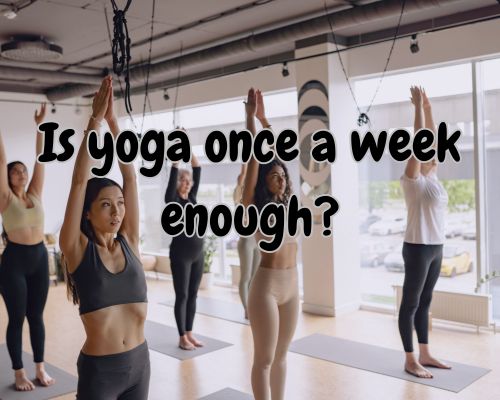
Yoga is known for its numerous benefits for both the body and mind. It can improve flexibility, strength, balance, and posture, as well as reduce stress, anxiety, and depression. However, the extent of these benefits can vary depending on how often you practice.

While practicing yoga once a week can help you feel less stressed and more relaxed, it may not be enough to see significant changes in your physical health.

If you’re looking to improve your physical health through yoga, it’s recommended to practice at least two to three times a week. This frequency can help you build strength and flexibility, as well as prevent injury. You can refer to Bikram Yoga Mornington to seek for expert’s advice.

However, if you’re mainly interested in the mental health benefits of yoga, practicing once a week can still be beneficial. It can help you feel more relaxed and centered, and provide a break from the stresses of daily life.

Assessing the Adequacy of Weekly Yoga

If you’re considering practicing yoga once a week, you need to evaluate whether this frequency is enough to achieve the desired results. In this section, we’ll explore the effects of weekly yoga on strength, flexibility, mental well-being, and physical health outcomes.

Effects on Strength and Flexibility

Practicing yoga once a week can help you improve your strength and flexibility. Yoga poses focus on using your body weight to build muscle strength and increase range of motion. Over time, this can lead to improved balance, posture, and overall physical function.

However, if you’re looking to build significant muscle strength or improve flexibility quickly, practicing yoga once a week may not be enough. Consistency is key, and frequent practice is necessary to see significant improvements in strength and flexibility.

Yoga’s Impact on Mental Well-Being

Yoga is well-known for its positive effects on mental well-being. Practicing yoga once a week can help reduce stress, anxiety, and improve mood and energy levels. Yoga’s meditation practice can also help improve focus and concentration, leading to an overall sense of calm and mental clarity.

However, if you’re looking to manage mental health conditions such as depression or anxiety, practicing yoga once a week may not be enough. A more frequent yoga practice may be necessary to see significant improvements in mental health outcomes.

Physical Health Outcomes

Practicing yoga once a week can have positive physical health outcomes, such as improved cardiovascular health, weight loss, and a stronger immune system. Yoga’s combination of exercise and meditation can help reduce stress levels, leading to improved physical health outcomes.

However, if you’re looking to achieve significant physical health outcomes, practicing yoga once a week may not be enough. A more frequent yoga practice combined with a healthy lifestyle may be necessary to see significant improvements in physical health outcomes.

Maximising the Benefits of Infrequent Practice

If you can only practice yoga once a week, it is important to make the most of your time on the mat. Here are some tips to help you maximise the benefits of infrequent practice:

Choosing the Right Style and Poses

When you only have time for one yoga class a week, you need to choose a style and poses that will give you the most benefit. Styles such as Yin or Restorative yoga can be a great choice, as they focus on holding poses for longer periods of time, which can help increase flexibility and relieve stress.

However, if you are looking for a more active practice, styles such as Vinyasa, Hatha or Ashtanga may be more suitable for you.

When selecting poses, focus on ones that can help improve your posture and joint mobility. Some great poses to consider include Downward Dog, Triangle, Warrior II and Child’s Pose.

Incorporating Yoga into a Busy Lifestyle

If you have a busy schedule, it can be challenging to find time for yoga. However, there are ways you can incorporate yoga into your daily routine.
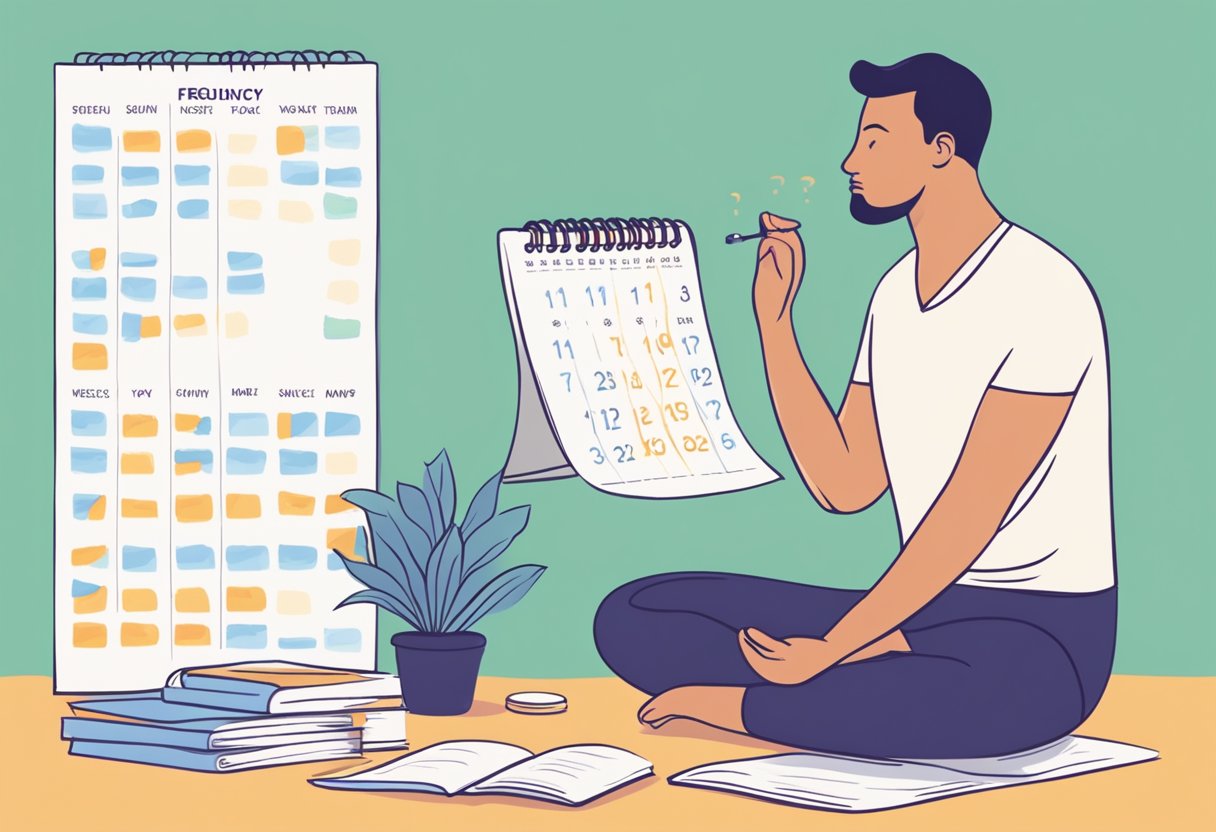
A person looks at a calendar, pondering the frequency of their yoga practice. A weekly schedule is highlighted, with question marks hovering above

Consider practicing yoga at home using a yoga video, or taking a few minutes each day to practice breathing exercises or simple poses. Additionally, try to make conscious choices throughout your day, such as standing up straight or taking the stairs, to help improve your posture and joint mobility.

Supplementary Activities and Habits

To get the most benefit from your once-a-week yoga practice, consider incorporating other activities and habits into your life that can help support your practice.

For example, make sure you are getting enough sleep, eating a healthy diet and staying hydrated.

Additionally, consider incorporating other forms of exercise, such as walking or swimming, to help improve your overall health and fitness.

Practicing yoga once a week may not be enough to achieve all of the benefits of a regular yoga regimen, but it is still a great way to improve your physical and mental health.

A serene studio with yoga mats, props, and soft lighting. A peaceful atmosphere with calming music and gentle scents

By choosing the right style and poses, incorporating yoga into your busy lifestyle, and adopting supplementary activities and habits, you can maximize the benefits of your infrequent practice.


Related Post

From Small Talk to Shared Stories: Building a London FriendshipFrom Small Talk to Shared Stories: Building a London Friendship

Transitioning from a chance encounter to a steady relationship is a delicate process that requires more than just luck; it requires genuine intent. Once contact details are exchanged after a lovely afternoon in Covent Garden or a stroll along the South Bank, the real work begins. The challenge lies in keeping the spark alive without the interaction feeling forced or transactional according to  https://lifemagazineusa.com/. This specific phase serves as the vital bridge between initial curiosity and a sustained relationship, where two strangers slowly begin the process of becoming a “we.”

In the early stages, a healthy relationship breathes through small, consistent interactions. It is rarely about grand gestures; rather, it is the “thinking of you” text or a shared meme about the chaotic morning commute on the Northern Line. These mundane details are the building blocks of intimacy, allowing you to reveal layers of your personality without the high-stakes pressure of a formal dinner date. In a fast-paced city like London, where life moves at a thousand miles per hour, intentionally carving out space for someone else is the ultimate signal of a growing relationship according to  https://www.monkeskateclothing.com/.

Weekly meetups function as the heartbeat of this transition. Choosing a consistent spot, perhaps a quirky café in Bloomsbury or a quiet pub in Richmond, provides a neutral and warm atmosphere to let a relationship evolve naturally. As you explore new corners of the city together—from the neon lights of Soho to the greenery of Hampstead Heath—these outings become the early chapters of your shared history. Over time, the nature of your dialogue shifts from safe, superficial topics to the vulnerable revelations that define a true relationship. Patience is essential here; you cannot rush the natural unfolding of another person’s character.

Consistency is truly the secret sauce in any social dynamic. A reliable relationship is built on the fundamental knowledge that the other person will show up when they say they will. Regular, predictable contact signals a high level of investment and creates the emotional safety net needed for a deep relationship. However, it is equally vital to read the room and respect each other’s individual pace. Pushing too hard or demanding too much time too fast can inadvertently stall a relationship before it even has a chance to find its footing.

Ultimately, the journey from a mere acquaintance to a close friend is about crossing significant emotional thresholds. Whether it is sharing a hidden personal dream or supporting each other through a particularly grueling week at the office, these milestones are what solidify the relationship. In a metropolis as vast and sometimes anonymous as London, finding that one person who truly understands your nuances and appreciates your quirks makes the effort of building a relationship entirely worth it. By prioritizing shared experiences and honest communication, what started as a simple greeting can blossom into a connection that lasts a lifetime.

Senior Living El Cajon: Traditional Homes vs. Modern FacilitiesSenior Living El Cajon: Traditional Homes vs. Modern Facilities

When discussing “senior living El Cajon” offers a plethora of options. The city boasts a mix of traditional retirement homes and state-of-the-art senior facilities. But how do these options measure up against each other? Let’s delve into the differences and benefits of each, ensuring you make an informed decision.

Elderly residents relaxing on the porch of a traditional Victorian-style house in El Cajon.
Timeless Charm: Seniors basking in the serenity of a classic El Cajon home.

Traditional Retirement Homes: A Nostalgic Touch

Traditional retirement homes in El Cajon often carry a nostalgic charm. These homes typically:

  • Architecture and Ambiance: Feature classical architecture, with spacious gardens and a home-like atmosphere.
  • Family-Centric Care: Often are smaller in scale, which can lead to a more intimate, family-like environment.
  • Holistic Approach: Focus on a holistic approach to senior care, blending physical health with spiritual and emotional well-being.
  • Cost: Generally, traditional homes might have a lower upfront cost. However, they might not always offer the same range of amenities as modern facilities.

Modern Senior Facilities: A Blend of Luxury and Technology

State-of-the-art senior facilities in El Cajon are designed to offer luxury, comfort, and advanced care. These facilities:

  • Cutting-Edge Infrastructure: Boast modern architecture, with amenities such as swimming pools, gyms, and movie theaters.
  • Specialized Care: Offer specialized care units, from memory care to physical therapy, ensuring each resident receives personalized attention.
  • Technology Integration: Incorporate technology for improved safety and comfort – from medical alert systems to smart room controls.
  • Recreational Activities: Often have a busy calendar filled with activities, classes, and social events, ensuring seniors are always engaged and entertained.
  • Cost: While these facilities might come with a higher price tag, the range of services and amenities can often justify the cost.

Making the Choice: Factors to Consider

  1. Budget: Your financial situation plays a crucial role. While modern facilities might offer more amenities, they often come at a higher cost.
  2. Care Needs: Evaluate the level of care you or your loved one might require. If specialized medical care is a priority, a modern facility might be better equipped.
  3. Environment Preference: Some seniors prefer the intimate and nostalgic ambiance of traditional homes, while others might prioritize the luxury and amenities of modern facilities.
  4. Location: Consider the facility’s location. Is it close to family and friends? Are there nearby hospitals, parks, or shopping areas?
  5. Visiting and Feedback: Always visit potential homes or facilities in person. Additionally, seek feedback from current residents or their families to get a genuine perspective.

Conclusion

Both traditional retirement homes and modern senior facilities in El Cajon have their unique offerings. The choice largely depends on individual preferences, care needs, and budget. By understanding the characteristics and benefits of each, you’re better equipped to make a decision that ensures a comfortable and fulfilling senior living experience.

How to Safely Lose Weight Fast: Your Ultimate GuideHow to Safely Lose Weight Fast: Your Ultimate Guide

Embarking on a journey to lose weight can be a life-changing decision. However, it’s crucial to approach it with the right mindset and information. In this guide, we will delve into the science and art of how to safely lose weight fast without compromising your health. You deserve a healthier and happier you, and this guide is your roadmap to get there.

Understanding the Importance of Safe Weight Loss

Before we dive into the strategies for rapid weight loss, it’s essential to emphasize the importance of doing it safely. Quick fixes might provide temporary results, but they can harm your body in the long run. Safe weight loss not only leads to sustainable results but also ensures your overall well-being.

Setting Realistic Weight Loss Goals

One of the primary keys to successful weight loss is setting realistic goals. Learn how to establish achievable milestones and track your progress effectively. By doing so, you’ll stay motivated and on the right path toward your desired weight ndtv.com.

Creating a Balanced Diet Plan

Discover the power of a balanced diet in your weight loss journey. We’ll explore the foods you should incorporate and those to avoid, all while ensuring your body receives the essential nutrients it needs.

Incorporating Regular Exercise

Exercise is a cornerstone of any effective weight loss plan. Find out how to create a workout routine that suits your lifestyle and maximizes your calorie burn. We’ll also explore the benefits of various types of exercises.

Hydration and Its Role in Weight Loss

Did you know that staying properly hydrated can aid in weight loss? Learn about the connection between hydration and metabolism and how to ensure you’re drinking enough water throughout the day.

Quality Sleep for Effective Weight Loss

Sleep is often overlooked in the weight loss journey. Discover how getting sufficient, high-quality sleep can positively impact your metabolism and help you shed those extra pounds.

Stress Management for Weight Control

Stress can sabotage your weight loss efforts. We’ll discuss stress management techniques that will keep you on track and in control of your weight.

Tracking Your Progress

Monitoring your progress is crucial for staying motivated. We’ll explore different methods and tools to track your weight loss journey effectively.

The Role of a Support System

A strong support system can make all the difference in your weight loss journey. Learn how to build a network of people who will encourage and motivate you throughout the process.

Avoiding Common Weight Loss Pitfalls

There are common mistakes that many people make when trying to lose weight quickly. Discover what these pitfalls are and how to avoid them.

Healthy Snacking Choices

Snacking can either help or hinder your weight loss goals. We’ll provide a list of healthy snack options to satisfy your cravings while staying on track.

Intermittent Fasting: A Safe Approach

Intermittent fasting has gained popularity as an effective weight loss strategy. Learn how to incorporate it into your routine safely and effectively.

Mindful Eating Habits

Mindful eating can prevent overeating and help you enjoy your food more fully. Find out how to cultivate mindful eating habits for successful weight loss.

The Impact of Metabolism on Weight Loss

Understanding your metabolism is key to losing weight. We’ll explain how metabolism works and how you can boost it to accelerate your weight loss.

Superfoods for Faster Results

Certain foods can supercharge your weight loss efforts. We’ll introduce you to superfoods that can help you shed pounds more efficiently.

Maintaining Muscle Mass

Preserving muscle mass is essential for effective and healthy weight loss. Discover strategies to ensure you’re losing fat, not muscle.

Understanding Body Composition

Weight loss isn’t just about the number on the scale. We’ll explore the concept of body composition and why it matters.

Healthy Weight Loss Supplements

Are weight loss supplements worth considering? We’ll discuss safe and effective options to complement your diet and exercise routine.

Dealing with Plateaus

Plateaus are a common challenge in weight loss. Learn how to overcome them and keep making progress toward your goals.

Celebrating Your Success

Every achievement, no matter how small, is a step toward your goal. We’ll talk about the importance of celebrating your successes along the way.