BP Therapy Group Default Is Yoga Considered a Recreational Activity? Insights from Mornington, Australia

Is Yoga Considered a Recreational Activity? Insights from Mornington, Australia

Is Yoga Considered a Recreational Activity? Insights from Mornington, Australia post thumbnail image

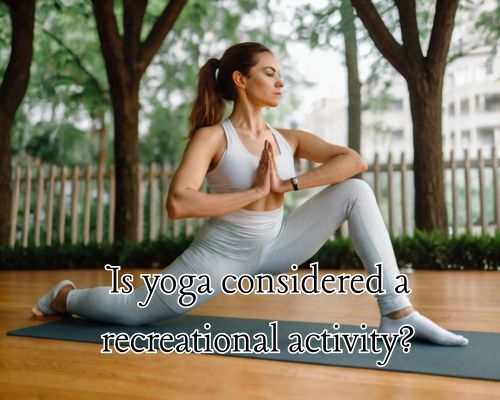
Yoga has become a global phenomenon, practiced in studios, parks, homes, and wellness retreats from New York to New Delhi. But as its reach expands, one pertinent question arises—is yoga considered a recreational activity? In Mornington, Australia, this question holds practical relevance for those seeking wellness experiences that are both physically engaging and mentally refreshing.
yoga as recreational activity

To fully understand yoga’s role within the recreational sphere, it’s essential to explore its modern interpretations, health benefits, and community integration—especially in scenic locales like the Mornington Peninsula, where wellness culture is thriving.

Understanding Recreational Activities in Modern Wellness Culture

A recreational activity is broadly defined as any activity done for enjoyment, relaxation, and personal enrichment during one’s free time. These can include walking, dancing, swimming, and increasingly, mind-body disciplines like yoga and tai chi.

Yoga, in this sense, fits perfectly within this definition. It is non-competitive, often performed in a social or community setting, enhances mental clarity, and provides physical exercise—key hallmarks of recreational therapy and leisure activities.

In Mornington, recreational activities are an integral part of the lifestyle, driven by the region’s beautiful coastal backdrop, community parks, and strong local health culture. Yoga has found a natural home here, where health-conscious residents and tourists alike embrace recreational pursuits that improve holistic well-being.

Yoga in Mornington: More Than Just Exercise

With its calm beaches, nature reserves, and wellness hubs, Mornington offers the perfect backdrop for those seeking yoga as a means to unwind and reconnect. Local yoga studio have positioned yoga not merely as a fitness class but as a recreational experience—blending movement, mindfulness, and community.

These studios often promote programs under categories such as “mindful movement,” “recreational wellness,” or “restorative practices,” reinforcing yoga’s recreational nature. In this way, yoga in Mornington transcends traditional exercise routines, aligning more closely with leisure pursuits and recreational therapy.

The Dual Identity of Yoga: Recreational & Therapeutic

Yoga’s versatility makes it both a therapeutic practice and a recreational activity. In fact, in Australia’s recreational therapy framework, yoga is commonly incorporated into programs for stress reduction, anxiety management, and physical rehabilitation.

Recreational therapy, also known as therapeutic recreation, aims to use leisure activities to improve physical, emotional, and cognitive functioning. Yoga fits this model precisely—it improves mobility, encourages mindfulness, and enhances quality of life.

In local contexts like Mornington, yoga is often used in aged care, disability support, and community outreach programs—further solidifying its status as a valuable recreational offering.

The Psychological Benefits of Recreational Yoga

What sets yoga apart from other physical recreational activities like tennis or cycling is its emphasis on mental and emotional balance. Studies show that regular yoga practice reduces cortisol levels (the stress hormone), improves sleep quality, and eases symptoms of depression and anxiety.

Residents in Mornington are increasingly integrating yoga into their wellness routines to combat stress, especially given the high demand for work-life balance in semi-urban coastal communities. In this region, recreational yoga serves as a stress-relieving outlet that fits effortlessly into one’s daily or weekend schedule—whether at a beachfront sunrise session or a local community hall.

Community Engagement Through Yoga Events in Mornington

Mornington is home to various seasonal and community yoga events that combine recreation, socialization, and wellness. These include:

  • Beach yoga on Mothers Beach and Mills Beach, blending nature with mindful movement.
  • Outdoor yoga at Civic Reserve or The Briars, attracting families and wellness seekers.
  • Yoga festivals and pop-up classes during local wellness weekends or school holidays.

Such events not only showcase yoga as a recreational activity but also strengthen community ties, bringing together diverse groups under a shared wellness umbrella.

Yoga for Different Age Groups: Recreational Accessibility

One of the most recreationally inclusive aspects of yoga is its adaptability to all ages and fitness levels.

  • Children’s yoga classes in Mornington often involve games, storytelling, and basic postures, making it a fun recreational option for families.
  • Senior yoga programs offer chair yoga and gentle stretches to promote joint mobility and social interaction.
  • Prenatal yoga caters to expecting mothers, focusing on breathwork and relaxation.

This broad accessibility contributes to yoga’s widespread classification as a recreational activity in local councils, schools, and health programs throughout the Mornington Peninsula.

The Economic Impact: Yoga as a Recreational Industry

Let’s not overlook the economic footprint of yoga as a recreational industry in Mornington. From boutique studios and wellness retreats to yoga gear and café culture, the ripple effects of yoga contribute significantly to local business ecosystems.

Tourism is also impacted. Many visitors to Mornington are drawn to weekend yoga retreats, outdoor wellness classes, and spa-yoga combo experiences offered by local resorts. These packages often market yoga as a form of relaxation and leisure, underscoring its recreational role in tourism promotion and local business growth.

Local Government & Policy: Recreation Classification

Interestingly, local councils across Victoria, including the Mornington Peninsula Shire Council, categorize yoga under “health and recreation” services in their community programs and public class listings. This official classification gives yoga the same status as swimming, tai chi, and group fitness—a clear indication of how it’s embraced as a recreational pursuit at the civic level.

Furthermore, yoga is often included in grants or funding for community recreation projects, confirming its legitimacy as part of public recreational planning.

Final Word: So, Is Yoga a Recreational Activity?

Absolutely yes—yoga is not only considered a recreational activity, but it’s also one of the most inclusive, beneficial, and enriching options available today. Especially in Mornington, Australia, where wellness and lifestyle are deeply intertwined, yoga offers a perfect blend of physical activity, mental clarity, and community connection.

Whether you’re a local resident looking for an uplifting weekly routine or a visitor seeking a tranquil retreat, embracing yoga as a recreational activity in Mornington is a choice that aligns with both personal wellness and the region’s coastal rhythm.

Key Takeaways

  • Yoga fits the definition of a recreational activity: enjoyable, non-competitive, and enriching.
  • In Mornington, yoga is a community-centered wellness pursuit found in yoga studio, beaches, and public parks.
  • Local councils, therapists, and educators integrate yoga into recreational and therapeutic frameworks.
  • The physical, mental, and social benefits of yoga make it a top-tier recreational option for all age groups.
  • The recreational yoga scene in Mornington supports economic development, local tourism, and public health.
Related Post

Common Hip Flexor InjuriesCommon Hip Flexor Injuries

Hip flexor muscles are very important set of muscles that aids our everyday activities. As it is a group of muscles connected to your hip joint that allows you to bend at the waist as well as pull your knee toward your chest, these muscles can be sore, strained or even injured which results to painful sensations and can even limit the ability to live a normal life while they are damaged. There can be a lot of injuries you can sustain and this article will help you determine typical hip flexor injuries.

  1. Hip Flexor Strains

Hip flexor strains happen when the muscles in the hip flexors are strained or ripped and it is categorized based on the tears severity. Mike Westerdal wrote a program called Unlock Your Hip Flexors.

  • Grade I is mild stretching and microscopic tears in muscle fiber which cause some pain but hip function remains normal.
  • Grade II is moderate stretching and tears in muscle fiber which cause pain and makes the hip periodically give out while standing or walking.
  • Grade III is the most severe case where muscle fibers are completely torn or ruptured and the hip can no longer bear weight.

If you are feeling one or a few of the following, then it’s a sign that you have strained hip flexors.

  • Bruising
  • Pain in the front of the hip or in the groin
  • Pulling sensation in the front of the hip or in the groin
  • Pain, tenderness, and weakness when walking or climbing stairs
  • Swelling and inflammation
  • Pain when lifting the knee toward the chest
  • Muscle spasms
  • A limp while walking
  • A visible muscle deformity
  • Hip Flexor Tendonitis

Inflammation of any of the hip tendons, or dense cords that connect muscles to bone, is known as hip tendonitis. Overuse, like strains, is a frequent cause of hip tendonitis. Tendonitis also impacts the same population as strains—athletes who engage in sports such as running, swimming, cycling, and other sports that place repetitive stress on the hip. Tendon inflammation can also be caused by high-intensity interval training (HIIT) exercises and other sports that include a lot of kicking, squatting, and jumping.

Some signs and symptoms that you might feel are:

  • Heat and redness around the tendon
  • Pain in the hip, back, or leg
  • Stiffness
  • Visible knots surrounding the tendon
  • Swelling and inflammation
  • Pain that gradually develops over time

Since pain from an injury is rarely felt in any one region, injuries can be on the inner hip muscles, anterior compartment of the thigh, medial compartment of the thigh, or gluteal muscles may occur. This makes determining the cause of hip pain impossible. It is still advisable to consult a hip specialist to determine the source of pain and receive the right treatment.

Unveiling the Truth: Puravive Scam DebunkedUnveiling the Truth: Puravive Scam Debunked

In the realm of health and wellness, consumers are bombarded with countless products claiming to be the elixir of life, promising miraculous results and transformative benefits. One such product that has come under scrutiny is Puravive. In this comprehensive analysis, we aim to dispel the rumors surrounding the alleged Puravive scam and provide you with accurate information to make an informed decision about your health.

The Origins of Puravive

Before diving into the controversy, let’s understand what Puravive is and where it comes from. Puravive is a health supplement marketed as a natural solution to various health issues. According to its proponents, the ingredients used in Puravive are sourced from pristine environments, promising a holistic approach to well-being santacruzsentinel.com.

Debunking the Scam Allegations

Scientific Scrutiny

One of the primary accusations against Puravive is the lack of scientific backing. However, upon closer inspection, there is credible scientific research supporting the efficacy of its key ingredients. The blend is carefully crafted, incorporating elements known for their health benefits.

Customer Testimonials

Many negative reviews suggesting a Puravive scam may be misleading. It’s crucial to consider the authenticity of such reviews and whether they are based on personal experiences or unfounded assumptions. Positive testimonials highlight the potential benefits users have experienced.

Regulatory Compliance

Allegations of Puravive being a scam often involve concerns about regulatory compliance. However, the product adheres to industry standards, and any reported issues may stem from misinformation or misinterpretation.

How to Make an Informed Decision

Consulting with Health Professionals

Before incorporating any supplement into your routine, it’s advisable to consult with healthcare professionals. They can provide personalized advice based on your health status and potential interactions with other medications.

Researching Ingredients

To make an informed decision, delve into the specific ingredients of Puravive. Understanding their individual benefits and potential side effects is crucial for determining if the supplement aligns with your health goals.

Comparative Analysis

Compare Puravive with alternative products on the market. Assessing the ingredients, reputation, and customer reviews of similar supplements can help you gauge the legitimacy and effectiveness of Puravive.

two women doing a yoga pose

What is a Wellbeing Activity? A Clear and Informed GuideWhat is a Wellbeing Activity? A Clear and Informed Guide

Wellbeing activities have gained prominence as essential components of a balanced and fulfilling life. These activities encompass a variety of practices aimed at enhancing your mental health, improving emotional wellness, and bringing joy to your everyday existence.

A wellbeing activity can simply be defined as any action or practice that contributes to a state of overall happiness and health. This state is achieved through nurturing multiple dimensions of life, including your emotional, physical, and social wellbeing.

two women doing a yoga pose

Engaging in wellbeing activities is a personal journey, reflecting your unique lifestyle and values.

Whether it’s spending time with your community, practising mindfulness, or enjoying a hobby, the essence lies in the positivity and balance you derive from these pursuits.

Science supports the notion that consistent incorporation of such activities can foster greater resilience and improve your mental and emotional health over time.

Understanding Wellbeing Activities

Wellbeing activities are actions and practices designed to improve mental, emotional, and spiritual health. These activities often include mindfulness, exercise, and gratitude practices to enhance overall mental wellness and life satisfaction. Let us learn more on these with Bikram Yoga Mornington.

The Science of Wellbeing

Research indicates that participating in organised wellbeing activities can significantly boost your mental health.

Activities focusing on mental wellness can lower stress levels, increase life satisfaction, and promote a sense of purpose.

Mental health assessments often show improvements in emotional wellness when practices such as mindfulness or self-care exercises are regularly included.

Science backs up these findings, showing a tangible link between consistent wellbeing activities and enhanced quality of life.

Components of Wellbeing

Wellbeing encompasses several dimensions: mental, emotional, and spiritual wellness.

Mental wellbeing involves cognitive health and managing stress effectively.

Emotional wellness includes understanding and managing feelings like joy and gratitude.

Spiritual self-care often involves nurturing your sense of purpose, which can be achieved through activities like meditation or volunteering.

Including these dimensions in your daily routine fosters a healthy lifestyle.

Types of Wellbeing Activities

There are various types of wellbeing activities you can incorporate into your life for enhanced wellness.

Mindfulness activities such as deep breathing and progressive muscle relaxation help you stay present.

Exercise is another effective approach to improving mental health.

Mindful eating encourages gratitude and enhances your joy while consuming meals.

Spiritual self-care practices, like volunteering, can boost both emotional and mental wellness.

Using a diverse mix of these activities contributes to better overall health and happiness.

Implementing Wellbeing Activities in Daily Life

Incorporating wellbeing activities into your daily routine can significantly enhance your mental and emotional health.

Fostering connections and using available resources amplify these benefits even further. See Bikram Yoga Mornington for more.

Integrating Activities for Mental and Emotional Health

Focusing on activities that boost mental and emotional health is crucial.

Mindfulness practices such as meditation or deep breathing exercises can reduce stress and improve self-awareness.

Journaling allows you to express your thoughts and feelings, promoting emotional resilience.

Consider creating a simple self-care worksheet to monitor your progress and ensure you prioritise these activities.

Engaging with music, whether listening or playing, can also lift your mood and provide a sense of peace.

Building Connections for Wellbeing

Human connection is vital for wellbeing.

Strengthening your social connections with friends and family enriches your life and provides support when needed.

Participating in community activities or joining a spiritual community can enhance your sense of belonging.

Collaborative activities, such as team-based games or group discussions, can build rapport and understanding.

This sense of community bolsters emotional support, encouraging a nurturing environment.

Leveraging Resources for Wellbeing

Many resources are available to support your wellbeing activities.

Utilising PDF guides and videos can offer insights and structured approaches to incorporate in your life.

Platforms like Excel or Publisher can help you create schedules and plans for your self-care activities.

If necessary, seek professional help for more personalized guidance.

These resources, whether digital or in-person, provide valuable tools and techniques for managing and improving your wellbeing.