BP Therapy Group Default Can Yoga Count as Exercise? Exploring the Truth in Mornington, Australia

Can Yoga Count as Exercise? Exploring the Truth in Mornington, Australia

In recent years, yoga has surged in popularity across the globe, including in coastal towns like Mornington, Australia, where wellness culture is flourishing. With yoga studios sprinkled along Main Street and yoga mats rolled out on the sandy stretches of Mills Beach, many locals are asking a seemingly simple question: Can yoga count as exercise?
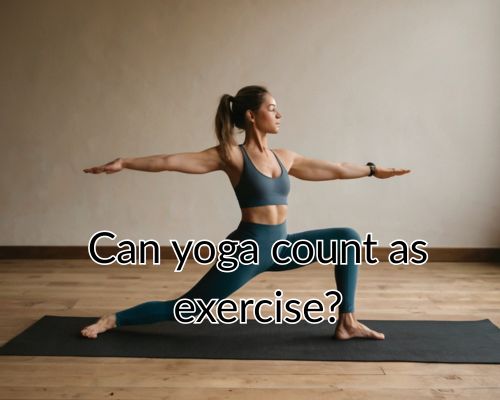
woman stretching her arms

The short answer? Absolutely—but it depends on the style, intensity, and intent.

In this article, we’ll unpack how yoga measures up against traditional physical exercise, explore its benefits in the context of fitness, and take a closer look at how yoga fits into the active lifestyle of Mornington residents. We’ll also compare various styles like Vinyasa, Power Yoga, and Yin Yoga, and offer expert-backed insight into yoga’s potential as a full-body workout.

Defining “Exercise”: Where Does Yoga Fit?

To determine if yoga qualifies as exercise, we must define what “exercise” actually means. In general, physical exercise refers to any bodily activity that enhances or maintains physical fitness and overall health. This includes:

  • Cardiovascular endurance (like jogging or swimming)
  • Muscular strength (think weight training or bodyweight resistance)
  • Flexibility (like stretching routines)
  • Balance and coordination

Modern yoga, especially dynamic forms like Ashtanga, Power Yoga, and Vinyasa Flow, ticks several of these boxes. These styles elevate the heart rate, build strength, and challenge flexibility—all while integrating mindfulness and breathwork.

Key Salient Entities:

  • Physical fitness
  • Strength training
  • Flexibility improvement
  • Mind-body connection
  • Calisthenics
  • Functional movement
  • Cardiovascular health

Yoga as a Legitimate Workout: What Science Says

Multiple studies have validated yoga as an effective form of low-to-moderate intensity exercise. Research published in the Journal of Physical Activity and Health found that Vinyasa yoga can produce metabolic rates similar to brisk walking, especially during continuous flow sequences.

Meanwhile, Power Yoga, a more athletic variant inspired by Ashtanga, engages core muscle groups, builds endurance, and enhances musculoskeletal function. This style, offered in many studios in Mornington Peninsula, is especially popular among fitness-conscious individuals looking for an alternative to traditional gym workouts.

From caloric burn and heart rate elevation to improvements in muscle tone, yoga—particularly when practiced vigorously—qualifies as aerobic and resistance-based exercise.

LSI Keywords:

  • Yoga workout benefits
  • Is yoga enough for fitness
  • Types of yoga that burn calories
  • Muscle building with yoga
  • Strength-focused yoga
  • Cardiovascular yoga

Mornington Embraces a Holistic Fitness Culture

Located just an hour south of Melbourne, Mornington boasts a vibrant wellness scene. From the Mornington Peninsula Regional Gallery to local yoga retreats nestled in Mount Eliza and Red Hill, the region is a hub for those seeking physical and mental balance.

Local studios like Warrior One Yoga Mornington and Bikram Yoga Mornington offer classes that blend physical exertion with mindfulness. These spaces attract everyone from athletes recovering from injury to corporate professionals seeking stress relief—illustrating how yoga has earned its reputation as functional movement therapy as well as a legitimate form of exercise.

Mornington’s active demographic often combines beach runs with sunrise yoga sessions on the foreshore or integrates yoga into cross-training routines. This hybrid approach reinforces the idea that yoga can be both a primary and supplementary workout.

Comparing Yoga to Conventional Exercise

While yoga may not replace high-intensity interval training (HIIT) for those chasing rapid gains or maximal oxygen uptake (VO2 max) improvements, it can provide a more sustainable, joint-friendly alternative with holistic benefits. Let’s break it down:

FactorYogaTraditional Exercise
Cardiovascular BenefitModerate (Vinyasa, Power Yoga)High (Running, HIIT)
Muscle StrengthBodyweight-basedResistance or weight-based
FlexibilityHighLow-to-moderate
Stress ReductionHighVariable
SustainabilityHighDepends on intensity
Risk of InjuryLow to moderateModerate to high

In Mornington, many fitness instructors and physiotherapists recommend yoga as part of a cross-training regime to improve balance, flexibility, and mental clarity—attributes often neglected in strength or cardio-centric routines.

How to Maximize Yoga’s Exercise Potential

To ensure your yoga sessions qualify as full-fledged workouts, consider the following tips:

1. Choose Physically Demanding Styles

Opt for Power Yoga, Vinyasa Flow, or Bikram Yoga if you’re looking to elevate your heart rate. These forms offer a challenging pace and are commonly available in Mornington-based yoga centres.

2. Practice Regularly

Like any fitness routine, consistency matters. Attending 3–5 classes per week can significantly improve muscle tone, stamina, and joint mobility.

3. Engage the Core and Focus on Alignment

By consciously engaging core muscles and holding poses like Chaturanga, Chair Pose, or Warrior Series, you can target key muscle groups, effectively replicating aspects of bodyweight training.

4. Use Props for Resistance

Incorporating resistance bands, yoga blocks, or even light hand weights (as offered in some fusion classes in Mornington) can intensify the workout element.

Expert Insight: What Local Instructors Say

Sophie Wainwright, certified yoga therapist at The Karma Studio Mornington, notes:

“Many of our clients are surprised by how physically challenging yoga can be. Our Power Yoga and YinYang classes push cardiovascular thresholds while improving flexibility and core stability. It’s not just stretching—it’s strength, breath, and mental grit.”

Meanwhile, personal trainers at Mornington Anytime Fitness often refer clients to yoga for functional recovery, especially after injury or overtraining in the gym.

Conclusion: Yoga Does Count as Exercise—With the Right Intention

In a world saturated with high-intensity fads and gym-centric fitness culture, yoga offers something unique: a deeply integrative approach to health that balances movement with mindfulness. For the residents of Mornington, Australia, the surf-side yoga mats and tranquil studio spaces have become more than wellness trends—they’re part of a balanced, active lifestyle. Visit Bikram Yoga Mornington for more.

So, can yoga count as exercise?
Yes—especially when approached with purpose, practiced regularly, and paired with breath-focused movement.

Whether you’re easing into wellness after a hiatus or seeking to expand your workout repertoire, yoga in Mornington offers an accessible, effective, and enduring form of physical activity that supports both body and mind.

Related Post

How to Safely Lose Weight Fast: Your Ultimate GuideHow to Safely Lose Weight Fast: Your Ultimate Guide

Embarking on a journey to lose weight can be a life-changing decision. However, it’s crucial to approach it with the right mindset and information. In this guide, we will delve into the science and art of how to safely lose weight fast without compromising your health. You deserve a healthier and happier you, and this guide is your roadmap to get there.

Understanding the Importance of Safe Weight Loss

Before we dive into the strategies for rapid weight loss, it’s essential to emphasize the importance of doing it safely. Quick fixes might provide temporary results, but they can harm your body in the long run. Safe weight loss not only leads to sustainable results but also ensures your overall well-being.

Setting Realistic Weight Loss Goals

One of the primary keys to successful weight loss is setting realistic goals. Learn how to establish achievable milestones and track your progress effectively. By doing so, you’ll stay motivated and on the right path toward your desired weight ndtv.com.

Creating a Balanced Diet Plan

Discover the power of a balanced diet in your weight loss journey. We’ll explore the foods you should incorporate and those to avoid, all while ensuring your body receives the essential nutrients it needs.

Incorporating Regular Exercise

Exercise is a cornerstone of any effective weight loss plan. Find out how to create a workout routine that suits your lifestyle and maximizes your calorie burn. We’ll also explore the benefits of various types of exercises.

Hydration and Its Role in Weight Loss

Did you know that staying properly hydrated can aid in weight loss? Learn about the connection between hydration and metabolism and how to ensure you’re drinking enough water throughout the day.

Quality Sleep for Effective Weight Loss

Sleep is often overlooked in the weight loss journey. Discover how getting sufficient, high-quality sleep can positively impact your metabolism and help you shed those extra pounds.

Stress Management for Weight Control

Stress can sabotage your weight loss efforts. We’ll discuss stress management techniques that will keep you on track and in control of your weight.

Tracking Your Progress

Monitoring your progress is crucial for staying motivated. We’ll explore different methods and tools to track your weight loss journey effectively.

The Role of a Support System

A strong support system can make all the difference in your weight loss journey. Learn how to build a network of people who will encourage and motivate you throughout the process.

Avoiding Common Weight Loss Pitfalls

There are common mistakes that many people make when trying to lose weight quickly. Discover what these pitfalls are and how to avoid them.

Healthy Snacking Choices

Snacking can either help or hinder your weight loss goals. We’ll provide a list of healthy snack options to satisfy your cravings while staying on track.

Intermittent Fasting: A Safe Approach

Intermittent fasting has gained popularity as an effective weight loss strategy. Learn how to incorporate it into your routine safely and effectively.

Mindful Eating Habits

Mindful eating can prevent overeating and help you enjoy your food more fully. Find out how to cultivate mindful eating habits for successful weight loss.

The Impact of Metabolism on Weight Loss

Understanding your metabolism is key to losing weight. We’ll explain how metabolism works and how you can boost it to accelerate your weight loss.

Superfoods for Faster Results

Certain foods can supercharge your weight loss efforts. We’ll introduce you to superfoods that can help you shed pounds more efficiently.

Maintaining Muscle Mass

Preserving muscle mass is essential for effective and healthy weight loss. Discover strategies to ensure you’re losing fat, not muscle.

Understanding Body Composition

Weight loss isn’t just about the number on the scale. We’ll explore the concept of body composition and why it matters.

Healthy Weight Loss Supplements

Are weight loss supplements worth considering? We’ll discuss safe and effective options to complement your diet and exercise routine.

Dealing with Plateaus

Plateaus are a common challenge in weight loss. Learn how to overcome them and keep making progress toward your goals.

Celebrating Your Success

Every achievement, no matter how small, is a step toward your goal. We’ll talk about the importance of celebrating your successes along the way.

How to Reduce Children’s Anxiety that Relocating a Home Can BringHow to Reduce Children’s Anxiety that Relocating a Home Can Bring

Moving a home can be stressful for both adults and children and more so if you are moving to a new town. If you are just relocating within the town you presently reside in, the impact may not be as great on children, because they will still be able to meet with old friends, probably have sleepovers, and just have to get used to their new home. You can also visit www.sellpropertyfastcash.co.uk for more tips and suggestions about buying properties
One way to reduce their anxiety and worries is to be frank and discuss with them the reasons for the move. If it is possible, even make a trip to the new home, or town, and let them feel its vibes for themselves. Stress on the good points that you yourself used to help you in the move. If schools are to be changed, let them see the new school, and take the help of the local PTA to meet some of their future schoolmates. Older children can be told about the move well in advance, but for smaller children talk to them about it, when you start packing or put up a sign for sale on your property.
Let the children know that there will be no change in their life otherwise, and they will still have their own rooms, their own toys and playthings, and the same routine in their new home. Kids will feel sad, and yo must let them feel so. Get them to talk about it so that you can understand what it is about the move this causing them distress. Look at ways you can address these specific problems.
Get children to make memories of their old home, by taking photos of familiar places and times when they were happy. For most children, such moves may not take place more than once in a lifetime, but for military families this can happen every two or three years. The advantage for them is that most other children on the new base will also have similar problems and the treatment in the new place by them to new kids can be kinder.
The greatest stress that moving causes in children is there having to adjust to a new school, and the children and teachers there. They can be tagged as a new kid and subjected to behavior that can be quite cruel as children are known to be. Be in constant touch with the teacher and school authorities, and see that your child does not become aloof, and takes the trouble to make new friends, whom you must welcome with open arms.
Get your children to help with the packing and unpacking, especially their own stuff. When you move to the new home, let them choose their own room, or its colors and furnishing, so that they get a sense of belonging. On your part, make it a point to get to know your new neighbors well, so that their children can become new friends of your children, and reduce their sense of being alienated from their familiar surroundings.
As a family, make sure you keep on going to all the new places in the new area, and visit all the malls, play spaces, tourist spots, etc., so that the children feel more that they do belong to this new place. For more tips and suggestions, click on Sell Property Fast Cash.

woman-executing-a-yoga-posture

Does Hot Yoga Help Lose Belly Fat? The Truth About This Popular Fitness TrendDoes Hot Yoga Help Lose Belly Fat? The Truth About This Popular Fitness Trend

If you’re looking to lose belly fat, you may have heard about the potential benefits of hot yoga. Hot yoga is a type of yoga that is performed in a heated room, typically at a temperature of around 105°F (40°C).

This type of yoga can be challenging and intense. It’s often touted as a great way to burn calories and improve overall health. But does hot yoga actually help you lose belly fat? Let us know it with Jane Benson of bikram Yoga Mornington.

woman executing a yoga posture

While there is some evidence to suggest that hot yoga can be beneficial for weight loss, it’s important to understand that there is no one-size-fits-all solution when it comes to losing belly fat. Belly fat can be caused by a variety of factors, including genetics, diet, and lifestyle habits.

That being said, incorporating hot yoga into your fitness routine may be able to help you lose weight and improve your overall health. In this article, we’ll take a closer look at the potential benefits of hot yoga for belly fat loss and explore some of the research behind this popular practice.

Understanding Hot Yoga and Its Effectiveness

What Is Hot Yoga?

Hot yoga is a form of yoga that is practiced in a heated room, typically between 80 to 105 degrees Fahrenheit. The most common types of hot yoga are Bikram, Vinyasa, and Ashtanga.

During a hot yoga session, you will perform a series of yoga poses, or asanas, in a heated room. The heat is said to help increase flexibility, improve circulation, and promote detoxification through sweating.

Hot Yoga vs. Traditional Yoga

The main difference between hot yoga and traditional yoga is the temperature of the room. Traditional yoga is typically practiced in a room that is not heated, or at most, slightly heated.

Hot yoga, on the other hand, is practiced in a room that is heated to a much higher temperature. This higher temperature is said to help increase the benefits of the yoga practice.

The Science Behind Heat and Weight Loss

The idea that hot yoga can help you lose weight is based on the fact that exercising in a heated room can increase your heart rate and metabolism, which can lead to burning more calories. Sweating is also said to help detoxify the body and promote weight loss.

However, it is important to note that the amount of calories burned during a hot yoga session is not significantly higher than during a traditional yoga session.

While hot yoga can be a good cardiovascular workout, it is important to remember that weight loss is not just about burning calories during exercise. A healthy diet and lifestyle are also important factors in achieving and maintaining a healthy weight.

Strategies for Maximising Fat Loss with Hot Yoga

If you are looking to lose belly fat through hot yoga, there are a few strategies you can use to maximise your results. These strategies include optimising your hot yoga practice, making complementary lifestyle changes, and maintaining long-term health and weight management.

Optimising Your Hot Yoga Practice

To get the most out of your hot yoga practice, you need to focus on poses that engage your core and build strength. Some effective poses for this purpose include Boat Pose, Plank Pose, and Warrior III.

These poses help to engage your abdominal muscles, build strength, and improve flexibility.

In addition to focusing on core-engaging poses, make sure to maintain proper form and alignment during your practice. This helps to ensure that you are engaging the correct muscles and avoiding injury. If you are looking for a yoga instructor, you can go to bikram Yoga Mornington.

Complementary Practices and Lifestyle Changes

While hot yoga can be an effective tool for losing belly fat, it is important to combine it with other lifestyle changes for optimal results. This includes maintaining a healthy diet, getting enough sleep, and managing stress.

A healthy diet that is rich in protein, healthy fats, and whole grains can help to support muscle growth and fat loss. Adequate sleep is also important, as lack of sleep can lead to overeating and increased levels of the stress hormone cortisol.

Reducing stress levels can also be beneficial for losing belly fat, as stress can lead to overeating and increased levels of cortisol. Mindfulness practices such as meditation and deep breathing can help to reduce stress levels and improve overall health.

Maintaining Long-Term Health and Weight Management

To maintain long-term health and weight management, it is important to continue to engage in physical activity and maintain a healthy diet. This can help to prevent weight gain and promote overall health.

In addition to physical activity and healthy eating, it is important to stay hydrated and monitor your calorie intake. Drinking enough water can help to support weight loss and prevent overeating.

Monitoring your calorie intake can also help to ensure that you are consuming the appropriate amount of calories for your body and activity level.

Incorporating these strategies into your hot yoga practice can help you maximize your fat loss. It can also help you achieve your belly fat loss goals in a healthy and sustainable way.