BP Therapy Group Default Is Yoga a Recreational Activity? Exploring Its Role in Mornington, Australia

Is Yoga a Recreational Activity? Exploring Its Role in Mornington, Australia

Is Yoga a Recreational Activity? Exploring Its Role in Mornington, Australia post thumbnail image

In recent years, yoga has evolved from a niche Eastern discipline into a global phenomenon. As more Australians adopt wellness-focused lifestyles, particularly in regions like Mornington, Victoria, the question arises: Is yoga a recreational activity? This article explores yoga’s multifaceted nature—its recreational aspects, health benefits, and community appeal.
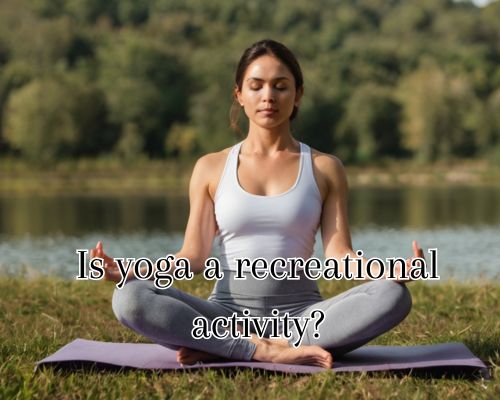
woman making yoga as a recreational activity

✅ Understanding the Definition: What Is a Recreational Activity?

By definition, a recreational activity is any pursuit undertaken during leisure time for enjoyment, relaxation, or personal interest. Examples include hiking, dancing, painting, or sports. But where does yoga fit into this framework?

Yoga often straddles the line between fitness and leisure. It’s both physically engaging and mentally rejuvenating, providing a unique blend of mind-body alignment. In the context of recreational activities in Mornington, yoga is widely offered in parks, wellness studios, and beachside sessions—clearly signaling its recreational essence.

🧘‍♀️ Why Yoga Qualifies as a Recreational Activity

1. Enjoyment & Relaxation

One of the hallmarks of recreation is personal enjoyment—and for many, yoga brings precisely that. Whether you’re doing gentle Hatha yoga at a local studio in Mornington like Bikram Yoga Mornington or enjoying a sunset Vinyasa session on Mornington Beach, yoga invites joy, mindfulness, and inner peace.

2. Voluntary Participation

Yoga isn’t mandated like a school gym class—it’s voluntary. People in Mornington choose yoga in their spare time, much like they might choose to surf at Mills Beach or hike the Two Bays Walking Track. This autonomy is a key characteristic of recreational activities.

3. Physical and Psychological Benefits

Recreation isn’t only about “doing something fun”; it’s about overall wellbeing. Yoga improves flexibility, balance, stress levels, and mental clarity—making it far more holistic than passive leisure activities. That’s why it’s commonly categorized under wellness recreation by organizations like Parks Victoria.

📍 Yoga in Mornington: A Local Perspective

Mornington, part of the Mornington Peninsula Shire, is a hotspot for health-conscious living. With its mild climate, coastal charm, and active community, it’s no surprise that yoga has become a popular recreational pastime.

Notable Yoga Offerings in Mornington:

  • Hot Hut Yoga – Known for hot yoga sessions and a strong local following.
  • Warrior One Yoga – Offers meditation-infused classes near Mornington’s scenic coastline.
  • Beach Yoga Mornings – Local instructors regularly host open-air sessions at Schnapper Point and Fisherman’s Beach.

In these settings, yoga isn’t a rigid discipline—it’s a social, recreational outlet, often followed by juice bar visits, coffee catchups, or even brunch at Main Street cafés.

🔍 SEO Insights: Salient Entities and LSI Keywords

To optimize this article for SEO discoverability, we incorporate Latent Semantic Indexing (LSI) keywords and salient entities like:

  • Recreational activity definition
  • Physical fitness vs. recreation
  • Yoga in Australia
  • Mornington Peninsula wellness
  • Group yoga classes Mornington
  • Beach yoga Victoria
  • Active leisure pursuits

These terms help align with Google’s Natural Language Processing (NLP) algorithms, ensuring that the article resonates semantically with queries like:

  • “Is yoga a hobby or sport?”
  • “Recreational activities in Mornington Peninsula”
  • “Mindful wellness practices Victoria”
  • “Group yoga Mornington Beach”

🧩 Recreational vs. Therapeutic: Where Yoga Stands

One point of confusion is yoga’s dual identity—it’s both therapeutic and recreational. For example:

  • Someone recovering from injury may use restorative yoga as physical therapy.
  • A busy professional might use lunch break flow sessions as recreational stress relief.

In Mornington, local health practitioners often recommend yoga as part of lifestyle medicine, especially for stress, sleep, and posture correction. However, that doesn’t diminish its recreational flavor—it merely adds to its multi-dimensional appeal.

💬 What Locals Say: Yoga as a Lifestyle Choice

Mornington locals view yoga as more than just a workout. It’s a lifestyle enhancer, social connector, and wellness tool.

“I do yoga at Fisherman’s Beach every Saturday. It’s my version of recreation and meditation rolled into one,” says Megan S., a Mornington-based artist and regular at Coastal Flow Yoga.

“I started yoga as a stress release but stayed for the community,” adds Tom W., a small business owner who attends weekly classes at Mornington Yoga Centre.

This reinforces the idea that yoga has become a cultural touchstone—as recreational as kayaking in Port Phillip Bay or picnicking in Civic Reserve.

⚖️ Comparing Yoga with Other Recreational Activities in Mornington

To better understand yoga’s placement, here’s how it compares to other popular recreational activities in Mornington:

ActivityPhysical IntensityMental EngagementSocial AspectRelaxation Factor
Surfing (Mills Beach)HighMediumMediumLow
Walking Two Bays TrackMediumMediumLowMedium
Yoga (Beachside)MediumHighHighHigh
Stand-Up PaddleboardingMediumMediumMediumMedium
Golf (Mornington GC)LowMediumHighMedium

Yoga clearly sits in the sweet spot—balanced physical engagement, high mental return, and excellent relaxation.

🧠 Insightful Takeaways for Locals & Newcomers Alike

  • Yoga is a legitimate recreational activity, supported by its alignment with core characteristics: voluntary, enjoyable, and beneficial to wellbeing.
  • In Mornington, yoga is embraced not just as fitness, but as a social ritual and cultural experience.
  • It bridges the gap between exercise and mindfulness, making it ideal for locals seeking a holistic recreation option.
  • The local yoga scene in Mornington is vibrant, with options ranging from hot yoga to beach yoga, catering to diverse demographics.

📈 Final Thoughts: SEO and Lifestyle Harmony

So, is yoga a recreational activity? Absolutely—and in Mornington, Australia, it’s more than that. It’s a movement, a local culture, and a wellness identity. With scenic coastlines, active wellness studios, and a community of like-minded yogis, Mornington offers the perfect backdrop for recreational yoga.

If you’re searching for recreational activities in Mornington that nourish your mind, body, and spirit, yoga should be at the top of your list. Whether you’re a local or a visitor, roll out your mat on the grass, the sand, or the studio floor—and experience yoga as the recreational bliss it truly is.

💡 Call to Action:
Looking to join a recreational yoga class in Mornington? Try a free trial session at one of the many local studios like Bikram Yoga Mornington or beach sessions today. Embrace relaxation, movement, and mindful living—right in your backyard.

Related Post

Lyme Disease: Understanding Symptoms, Causes, and Holistic Care OptionsLyme Disease: Understanding Symptoms, Causes, and Holistic Care Options

Lyme Disease is a bacterial infection spread primarily by the bite of infected black-legged ticks, also called deer ticks. It is most common in wooded or grassy areas, especially in the Northeast, Midwest, and Pacific Northwest regions. The illness is caused by the bacterium Borrelia burgdorferi and can affect multiple systems in the body, including the skin, joints, nervous system, and heart.

How Lyme Disease Begins

After a tick bite, the bacterium enters the bloodstream. The first sign in many cases is a circular rash that resembles a bull’s-eye, known as erythema migrans. This rash typically appears 3 to 30 days after the bite and may be warm to the touch, but not usually painful or itchy. Some people may never develop this rash, which makes early detection more difficult.

Symptoms of Lyme Disease

The early symptoms of Lyme Disease can be similar to the flu. These may include:

  • Fever
  • Chills
  • Headache
  • Fatigue
  • Muscle and joint aches
  • Swollen lymph nodes

As the disease progresses, additional symptoms may develop, such as:

  • Severe headaches and neck stiffness
  • More rashes on other areas of the body
  • Arthritis with severe joint pain and swelling
  • Facial drooping (Bell’s palsy)
  • Irregular heartbeat or palpitations
  • Dizziness or shortness of breath
  • Nerve pain or shooting pains in hands and feet
  • Memory problems or confusion

These symptoms can appear weeks or even months after the tick bite and may persist for a long time without treatment.

How Lyme Disease Is Diagnosed

Doctors often diagnose Lyme Disease based on physical symptoms, a history of possible exposure to ticks, and laboratory tests. Blood tests can check for antibodies to the bacteria, though they may not be accurate in the early stages. The most commonly used tests include the ELISA test followed by a Western blot test for confirmation.

Medical and Holistic Treatment Options

The standard treatment for Lyme Disease is a course of antibiotics, such as doxycycline or amoxicillin. Most people who receive treatment in the early stages recover quickly and completely. However, some individuals experience ongoing symptoms even after completing antibiotics. This is sometimes called post-treatment Lyme Disease syndrome.

Holistic approaches to care are often used alongside medical treatment. These strategies may include:

Nutritional Support

Anti-inflammatory diets, hydration, and gut-friendly foods help reduce stress on the immune system and support recovery. Some patients benefit from supplements such as omega-3 fatty acids, probiotics, and vitamins C and D.

Physical Therapy and Movement

Gentle movement helps maintain joint mobility and reduce stiffness, especially for those experiencing Lyme-related arthritis. Low-impact exercises like yoga or tai chi may improve circulation and energy.

Herbal Remedies

Some practitioners recommend natural antimicrobials like cat’s claw, Japanese knotweed, or andrographis. These herbs are thought to support the immune system and help reduce microbial activity.

Stress Reduction and Mental Health Care

Ongoing pain and fatigue can affect emotional well-being. Techniques like deep breathing, mindfulness, or talking with a licensed therapist may help patients better cope with symptoms and stress.

Detoxification Practices

Some people seek therapies that support the body’s natural detox systems, such as infrared saunas, dry brushing, or Epsom salt baths. These practices are often used to manage Herxheimer reactions, which are temporary symptom flares during treatment.

Lifestyle Changes for Better Symptom Management

Making small adjustments to daily routines can help people with Lyme Disease manage fatigue, pain, and cognitive challenges. These might include:

  • Prioritizing sleep and rest
  • Breaking tasks into smaller steps
  • Pacing activities to avoid symptom flare-ups
  • Staying hydrated throughout the day
  • Keeping a symptom journal to track changes

Support from friends, family, or online communities can also be valuable. Sharing experiences, tips, and encouragement can make it easier to stay motivated and informed.

Prevention Strategies

Avoiding tick bites is the most effective way to prevent Lyme Disease. Precautionary steps include:

  • Wearing long sleeves and pants when in wooded or grassy areas
  • Using insect repellent with DEET or picaridin
  • Checking for ticks after outdoor activities, especially on the scalp, underarms, and behind the knees
  • Removing ticks promptly with fine-tipped tweezers
  • Keeping lawns trimmed and clearing brush from around homes

In areas where Lyme Disease is common, awareness and early action are key to reducing risk and ensuring quick response if symptoms appear.

The Effectiveness Of Uterine Fibroid TreatmentsThe Effectiveness Of Uterine Fibroid Treatments

The effectiveness of uterine fibroid treatments will vary from woman to woman. If symptoms are mild, common over-the-counter medicines such as Tylenol or acetaminophen can be enough to treat your symptoms. However, for more severe symptoms, hormone treatment might help shrink the existing fibroids, prevent new ones from growing, and relieve the pressure on your reproductive organs.

Hormone treatment isn’t an option for pregnant women who wish to get pregnant. In cases where you’re already pregnant, a hysterectomy or the removal of your fibroids using surgical methods is the only option. Other options include the use of estrogen therapy to suppress your fibroids or taking medicines to shrink them. The best uterine artery embolization (uterine artery stripping) to eliminate your fibroids is performed by a qualified surgeon. The procedure is performed by stitching a balloon-like substance directly under your skin where fibroids are forming.

This method has many benefits. For example, since there’s no need to remove any of your extra tissue, you won’t be removing any of your own healthy tissue. This ensures that you’ll be left with as little extra tissue as possible, which can contribute to the formation of uterine fibroids in the future. Although this procedure is known to be effective in many women, some experience temporary flare-ups of their symptoms. Also, many women report having difficulty getting the scar tissue to go away after the procedure.

One of the most common alternative uterine fibroid treatments is surgery. It’s been known to effectively treat severe cases of tumors, but the effectiveness of surgery on its own is questionable. Surgery for benign tumors is known to produce very favorable results. However, when combined with other therapies, surgical treatments for uterine fibroids have been known to be highly effective in the treatment of severe cases of tumors.

Many women choose alternative uterine fibroid treatments from providers like ECCO Medical because of the side effects they experience with standard medical treatments. Common side effects include heavy bleeding, difficulty getting urine to flow and irregular menstrual cycles. Although these side effects are experienced with standard therapies, most patients report they are more uncomfortable with the holistic approach to treating their uterine fibroids because there are no drugs involved and no drastic measures taken.

Unfortunately, even though natural uterine fibroid therapies are an effective option for many women, they don’t work for every woman suffering from uterine fibroids. The number one reason that conventional therapy doesn’t work is because the uterine tumors are so small that conventional methods are unable to remove them. Due to this, many women turn to alternative therapies from practices like ECCO Medical to find a cure for their fibroids.

Building Stronger Connections: Setting Boundaries in Relationships, Dating, and Life in LondonBuilding Stronger Connections: Setting Boundaries in Relationships, Dating, and Life in London

Setting and maintaining personal boundaries can feel like navigating a minefield, especially when you’re juggling a busy life, a burgeoning dating scene, or the unique social pressures of a city like London. Yet, establishing these personal limits is absolutely crucial for your well-being, paving the way for healthier relationships and a more balanced life. The good news? It doesn’t have to be an uphill battle. With a few practical tools, you can easily carve out much-needed “me-time” or ensure your friends understand and respect your personal space according to  https://galeon.com/.

Think about it: how often do you find yourself saying “yes” when you really want to say “no”? Or perhaps your work spills into your evenings, leaving little room for personal pursuits. In the vibrant, fast-paced environment of London, where social invitations can be relentless and professional demands high, these situations are all too common. However, by proactively setting boundaries, you create a framework that supports your mental and emotional health. This isn’t about pushing people away; it’s about defining your needs and communicating them clearly, ultimately strengthening your relationships according to  https://www.theworldbeast.com/.

Your Toolkit for Healthy Boundaries

Let’s explore some incredibly effective tools that can make boundary setting a breeze:

Calendar Blocking: Your Time, Your Rules

One of the most powerful tools at your disposal is calendar blocking. This simple yet revolutionary technique involves scheduling specific blocks of time for various activities, including work, personal tasks, and, most importantly, relaxation and self-care. Imagine using Google Calendar to block out 6-8 PM every day as your dedicated “personal time.” When you visually structure your day in this way, you’re far less likely to overcommit or allow distractions to derail your plans.

For example, if you’re navigating the London dating scene, you might block out Saturday evenings for social activities, but leave Sunday morning free for a leisurely brunch or a walk in Hyde Park. This pre-planned time acts as a visual commitment to yourself, making it easier to politely decline last-minute invitations that would infringe on your much-needed downtime. It’s about taking control of your schedule rather than letting your schedule control you.

Reminder Apps: Your Digital Boundary Guardians

In our increasingly digital world, reminder apps can be invaluable allies in boundary setting. Apps like “RescueTime” aren’t just for productivity; they can be programmed to remind you to take breaks, log off from work, or simply step away from your screen. Imagine setting a reminder to finish work by 6 PM, or to take a 15-minute break every two hours. These gentle nudges can be incredibly effective in helping you respect the boundaries you’ve established for yourself.

In the context of relationships, a reminder app could prompt you to check in with yourself before agreeing to a new commitment, asking, “Does this align with my current boundaries?” For those in London, where the temptation to be constantly “on” can be overwhelming, these digital guardians can provide a much-needed prompt to disconnect and recharge.

Boundary Buddies: Accountability in Friendship

Sometimes, the best support comes from those closest to us. Enter boundary buddies – trusted friends or colleagues who can hold you accountable to your personal limits. This is particularly effective in a city like London, where social circles can be vast and varied. If you’re prone to working late, for instance, you could ask a friend to remind you to leave the office on time. Or, if you’re trying to limit your social engagements to two evenings a week, a boundary buddy can gently check in with you before you commit to that third or fourth outing.

This isn’t about being policed; it’s about having a supportive network that understands and respects your desire for balance. In dating, a boundary buddy can be invaluable for debriefing after a date, helping you reflect on whether your boundaries were respected and offering an objective perspective.


Ultimately, setting boundaries is an act of self-love that benefits all your relationships. It allows you to show up as your best self, whether you’re navigating the bustling streets of London, enjoying a quiet evening in, or building meaningful connections with others. By utilizing these practical tools, you’re not just creating limits; you’re cultivating a life that feels more balanced, authentic, and truly your own. What small step can you take today to implement one of these tools?