BP Therapy Group Default Benefits of Massage for Physical Health Mental Wellness and Daily Function

Benefits of Massage for Physical Health Mental Wellness and Daily Function

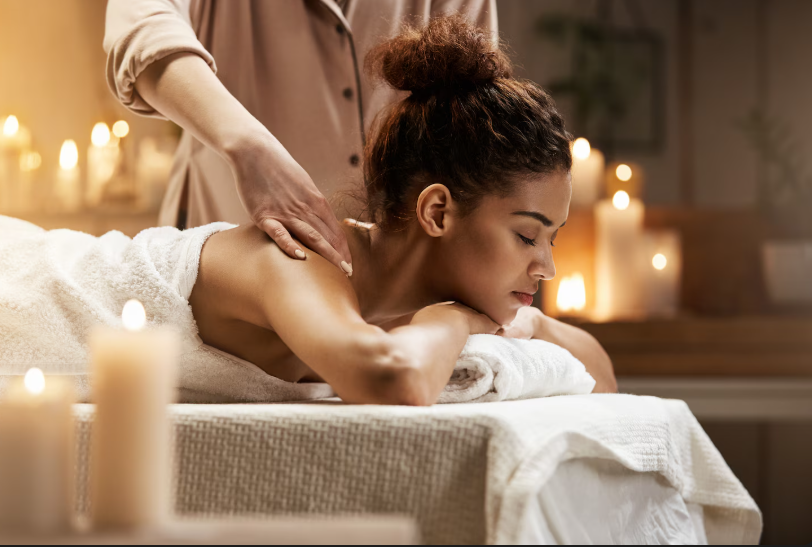
Massage is a general term used to describe skilled manual therapy applied to the body and mind. The benefits of massage go far beyond comfort. Massage therapy is widely used in health and wellness settings to support relaxation, stress reduction, and physical recovery.

Research suggests that massage therapy may help improve overall health and well being. Many people seek massage sessions for pain relief, emotional balance, and improved sleep. Continue reading to understand how massage works, what science says, and why adding massage to your routine supports long term wellness.

How Massage Therapy Works in the Body

Massage therapy involves hands on techniques applied by a trained massage therapist. These massage techniques stimulate soft tissue, muscles, tendons, and connective structures.

Massage sends signals to the brain through nerve receptors. These signals promote relaxation and reduce stress. Blood flow increases to targeted areas. Oxygen delivery improves. Waste removal becomes more efficient.

Massage may help reduce stiffness and soreness caused by daily activities. It also supports joint mobility and helps reduce the risk of injury when muscles are overworked or imbalanced.

Health care professionals recognize massage as a form of complementary and integrative health care when used alongside medical treatment.

Physical Health Benefits of Massage Therapy

The physical benefits of massage are well documented. Studies show measurable improvement in circulation, muscle tension, and flexibility.

Massage can help reduce pain linked to several health conditions. Research suggests that massage therapy may help people experiencing back pain, chronic low back pain, joint pain, and musculoskeletal strain.

Massage therapy may also benefit people managing conditions such as fibromyalgia, osteoarthritis, and arthritis. Patients with arthritis often report improvement in pain and reduced stiffness after receiving massage.

Trials found that massage therapy supports recovery from physical strain. Manual therapy techniques improve tissue elasticity and circulation while reducing soreness.

Common physical health benefits include

  • Improved blood flow and oxygen delivery
  • Reduced muscle tension and stiffness
  • Better joint mobility and tendon flexibility
  • Lower risk of injury during daily activities

These effects of massage support physical health and long term function.

Massage and Pain Management for Specific Health Conditions

Massage therapy may help improve pain management for several specific health conditions. Research suggests massage may help reduce pain and anxiety in people dealing with chronic illness.

Randomized controlled trials found that massage therapy reduced pain more effectively than a control group in certain populations. Patients who received massage often reported improved comfort and emotional balance.

Massage is commonly used in integrative medicine and integrative health settings. It is often applied as part of care for

  • Cancer patients experiencing cancer symptoms
  • Patients with arthritis or joint pain
  • People with fibromyalgia and chronic pain
  • People with HIV or AIDS seeking comfort support

Massage may help reduce pain signals sent to the brain. This response supports relaxation and overall improvement in pain perception.

Mental Health Benefits of Massage Therapy

Massage therapy supports both body and mind. Stress reduction is one of the most widely reported health benefits of massage.

Massage increases serotonin levels. Serotonin supports mood stability, emotional regulation, and sleep quality. Massage also lowers cortisol which helps reduce stress.

Studies suggest that massage helps reduce anxiety and depression. Research suggests that massage therapy supports emotional balance and mental clarity when used consistently.

Massage sessions create a calm environment. The nervous system shifts toward relaxation. This supports focus, emotional stability, and resilience.

Promoting mental and physical health together improves overall health and well being.

Massage Therapy and Improved Sleep Quality

Massage therapy may help improve sleep by calming the nervous system and reducing physical discomfort.

Massage relaxes muscles and connective tissue. This helps the body transition into rest more easily. Many people report improved sleep after getting a massage.

Massage therapy may help improve the quality of sleep for people managing stress, pain, or anxiety. Studies show improved sleep patterns in individuals who received massage regularly.

Better sleep supports immune function, emotional balance, and physical recovery.

Different Types of Massage and Their Benefits

There are many types of massage available. Each type of massage serves a different purpose depending on health goals.

Common massage styles include

  • Swedish massage for relaxation and circulation
  • Deep tissue massage for chronic tension and soreness
  • Lymphatic drainage to support immune function and fluid movement
  • Therapeutic massage for targeted pain relief and recovery

Using massage therapy as part of complementary and integrative health allows care to be tailored to individual needs.

Safety Considerations and Research Evidence

Massage therapy is considered safe and effective for people when provided by a trained professional. Reports of serious side effects are rare.

Rare reports of serious side effects usually involve patients who might be at increased risk due to certain medical conditions. This may include increased risk of injury involving the head and neck or advanced joint instability.

Health care professionals often recommend discussing massage therapy if you have a serious health condition. This ensures proper technique and safety.

The National Center for Complementary and Integrative Health recognizes massage therapy as a valuable wellness approach when used responsibly.

Studies suggest that massage therapy does not increase the risk of injury when performed by qualified therapists.

How to Find a Massage Therapist and Get Started

Finding a massage therapist with proper training and experience is important. Look for education, credentials, and client reviews.

A trusted massage therapist understands anatomy, manual therapy, and safety guidelines. They adapt massage techniques to support your physical health and comfort.

Incorporate massage into your routine based on your needs. Some people benefit from weekly massage sessions. Others choose monthly care.

Getting a massage consistently supports long term health and wellness.

Experience the Benefits of Massage with Embrace Club

Now is a powerful time to support your body and mind. Embrace Club offers access to trusted massage and integrative wellness services in a safe and supportive space.

You can explore many types of massage and holistic services. Choose a practitioner based on qualifications, experience, and reviews. Book massage sessions that align with your goals and schedule.

Embrace Club focuses on health and well being through compassionate and integrative care. Our services are designed to support physical health, mental balance, and quality of life.

Book your session with Embrace Club today and experience how massage therapy can help improve the quality of life through safe, effective, and supportive care.

Embrace Club

80 Monroe St, Brooklyn, NY 11216

(718) 755-8947

https://embraceclub.com

Related Post

More Than Just Talk: The Silent Language That Binds UsMore Than Just Talk: The Silent Language That Binds Us

We all know the power of a good conversation, especially with the people we hold dear. Sharing our thoughts and feelings through words is a cornerstone of connection. But what if I told you that the majority of what we truly communicate goes far beyond the sentences we string together? Researchers at UCLA have made a fascinating discovery: a staggering 93% of our communication effectiveness hinges on nonverbal cues – the subtle dance of our body language, the fleeting expressions on our faces, and even the way we carry ourselves according to  https://zomgcandy.com/balancing-life-and-love-how-online-dating-fits-into-your-lifestyle/.

Think about those moments when you just knew something was off with a loved one, even when they insisted everything was fine. Or recall the instant comfort you felt in the presence of someone whose smile radiated genuine warmth. That’s the magic of nonverbal communication weaving its intricate spell. By becoming more attuned to the silent signals we ourselves are sending out, we can profoundly impact the flow of our conversations and the depth of our connections according to  https://eastendtastemagazine.com/discover-cultural-features-of-foreign-countries-traveling-and-dating/.

Consider something as simple as crossed arms. Without a single word, this posture can erect a subtle barrier, suggesting defensiveness or a closed-off demeanor. Conversely, an open stance, with your arms relaxed at your sides, often communicates a willingness to listen and engage – an unspoken invitation to connect.

Maria, a seasoned relationship coach, shared a compelling anecdote that beautifully illustrates this point. “I noticed a significant shift in my relationship when my partner started paying closer attention to my body language,” she recounted. “Our arguments decreased dramatically.” It’s remarkable how much tension can dissipate when we begin to acknowledge and understand these silent signals. When our spoken words align harmoniously with supportive nonverbal cues, it fosters a sense of coherence and trust, paving the way for more authentic and meaningful dialogue.

However, deciphering body language is only one piece of the puzzle. The emotional landscape we bring to our interactions also speaks volumes. Embracing vulnerability in our communication can be a transformative force in strengthening our bonds. When we express ourselves with openness and honesty, sharing our feelings and perhaps even our vulnerabilities, it often draws our partners closer. It’s a powerful message that says, “I trust you enough to show you the real me,” and this kind of openness often encourages reciprocal vulnerability.

To truly bridge the gaps and cultivate a sense of emotional safety, curiosity acts as a vital key. Engaging with each other by asking genuine questions about what the other person is feeling demonstrates that you care deeply and are truly invested in understanding their inner world. This creates an environment where both partners feel secure enough to be honest, allowing appreciation to flourish organically. When we feel seen and valued for who we are, the foundation of our partnership becomes significantly stronger and more resilient.

So, what does all of this mean for the fabric of our relationships? It means that by cultivating these essential skills – truly listening not only to the spoken words but also to the unspoken cues, becoming more conscious of our own nonverbal signals, and embracing vulnerability – our everyday conversations can evolve into something far more profound. They transform into meaningful connections that nurture greater trust, deeper intimacy, and a stronger, more loving bond with the people who enrich our lives the most. It’s about venturing beyond the surface of words and tuning into the rich and often unspoken language of the heart.

a woman doing yoga in a seated crane pose outdoor

What is the First Technique of Kriya Yoga? A Deep Dive for Mornington ResidentsWhat is the First Technique of Kriya Yoga? A Deep Dive for Mornington Residents

Kriya Yoga, an ancient spiritual practice, has drawn global attention for its profound ability to harmonize body, mind, and soul. Rooted in centuries-old traditions, it offers seekers a structured pathway to self-realization. For enthusiasts in Mornington, Australia, understanding the nuances of this transformative practice begins with mastering its foundational step. So, what is the first technique of Kriya Yoga, and why is it essential for those beginning their spiritual journey?

a woman doing yoga in a seated crane pose outdoor

Understanding the Foundations of Kriya Yoga

Kriya Yoga is a meditative discipline that integrates breath control, concentration, and energy alignment. Unlike many modern yoga practices that focus solely on physical postures, Kriya Yoga emphasizes inner awareness and spiritual growth. The practice, introduced to the West by Paramahansa Yogananda in his seminal work Autobiography of a Yogi, is known for its ability to accelerate spiritual progress.

For beginners, the first technique of Kriya Yoga acts as a cornerstone, setting the stage for deeper meditation practices. Known as the Preliminary Pranayama Technique, it teaches practitioners like in https://bikramyogamornington.com.au/, to calm the mind and prepare the body for the subtle work of energy redirection.

The First Technique of Kriya Yoga Explained

The initial technique in Kriya Yoga focuses on controlled breathing and energy awareness. Practitioners learn to regulate their breath to draw prana (life energy) into the body, creating a state of equilibrium. This foundational step includes:

  1. Awareness of Breath: This involves observing the natural rhythm of your breath. By simply becoming mindful of the inhale and exhale, you cultivate focus and presence.
  2. Nadi Shodhana (Alternate Nostril Breathing): A cleansing practice, this balances the energy pathways (nadis) within the body. It is often recommended as part of the first technique to purify and stabilize the mind.
  3. Basic Pranayama: Beginners practice slow, deliberate breaths, using a specific count to harmonize the flow of energy. This calms the nervous system and sets the stage for deeper meditation.

These practices, though simple in appearance, are powerful. For those in Mornington, incorporating this technique into daily routines can lead to improved focus, reduced stress, and enhanced well-being.

The Role of Mornington’s Serene Environment

Mornington, with its tranquil beaches and lush greenery, offers an ideal setting for practicing Kriya Yoga. The calm surroundings enhance the benefits of the first technique, allowing practitioners to immerse themselves in the moment. Whether meditating on the shores of Mornington Peninsula or amidst the serene ambiance of the Arthurs Seat State Park, residents can align their practice with nature’s rhythm.

For newcomers to Kriya Yoga, the blend of the region’s natural beauty and the first technique’s grounding principles provides an unmatched opportunity for growth.

How the First Technique Sets the Stage for Advanced Practices

The Preliminary Pranayama Technique is more than just a breathing exercise; it serves as the gateway to advanced stages of Kriya Yoga. Mastery of this step allows practitioners to:

  • Develop Inner Focus: By quieting the mind, practitioners prepare for techniques involving mantra chanting and visualization.
  • Balance Energy Pathways: Proper breath control ensures the flow of energy through the Sushumna Nadi, the central channel in yogic anatomy.
  • Enhance Meditative Depth: This foundational practice cultivates the stillness needed for transcendent experiences.

Residents of Mornington looking to explore Kriya Yoga will find that mastering this first technique equips them with the tools to advance in their spiritual journey, visit https://bikramyogamornington.com.au/ for more.

Where to Learn Kriya Yoga in Mornington

While online resources and books can provide an introduction to Kriya Yoga, in-person guidance is invaluable. Mornington boasts a growing community of yoga practitioners and meditation centers where individuals can learn authentic Kriya Yoga techniques. Look for classes or workshops that emphasize breathwork and meditation, as these often incorporate the foundational elements of Kriya Yoga.

For those unable to attend physical classes, some respected organizations offer virtual sessions tailored for beginners. Many such programs include guided lessons on the first technique of Kriya Yoga.

Benefits of Practicing Kriya Yoga in Mornington

Practicing Kriya Yoga in Mornington not only enriches spiritual growth but also offers numerous physical and mental health benefits. These include:

  • Reduced Stress: The gentle, rhythmic breathing in the first technique lowers cortisol levels, reducing stress and anxiety.
  • Improved Focus: By regulating the breath, practitioners sharpen their mental clarity and concentration.
  • Enhanced Energy Levels: The practice revitalizes the body by directing prana through the energy pathways.
  • Spiritual Connection: The serene environment of Mornington enhances the meditative experience, helping individuals feel connected to the universe.

For those seeking a balanced lifestyle, combining Kriya Yoga with Mornington’s outdoor activities, like beach walks or hiking, can be profoundly rewarding.

Incorporating Kriya Yoga into Your Daily Routine

Starting a Kriya Yoga practice requires consistency and dedication. Here’s how Mornington residents can integrate the first technique into their daily lives:

  1. Choose a Quiet Space: Find a peaceful spot, such as your backyard or a secluded corner of a local park, where you can practice without distractions.
  2. Set a Schedule: Mornings are ideal for Kriya Yoga, as the mind is naturally calmer and more receptive. Early sunrise sessions on Mornington Beach can be particularly inspiring.
  3. Begin with Short Sessions: Start with 10–15 minutes of practice, gradually increasing as you become more comfortable.
  4. Combine with Healthy Habits: Complement your yoga practice with a balanced diet and mindfulness exercises for holistic well-being.

Final Thoughts

For those in Mornington, Australia, understanding what the first technique of Kriya Yoga is marks the beginning of a transformative journey. This foundational practice not only provides a gateway to spiritual growth but also offers tangible health benefits, making it an essential addition to a balanced lifestyle.

Whether you’re meditating by the waters of Port Phillip Bay or practicing at home, Kriya Yoga’s first technique empowers you to connect with your inner self and the beauty of the world around you. Start your journey today and experience the profound changes it can bring to your life.

Finding Your Tribe: Building New Friendships in the CityFinding Your Tribe: Building New Friendships in the City

Making friends as an adult can often feel like trying to navigate a maze without a map. Following the end of a long-term relationship, the fear of being “the newcomer” or the “third wheel” can be paralyzing. However, your social landscape doesn’t have to shrink just because your dating life has changed. In fact, London—and specifically the cultural melting pot of Soho—is one of the best places in the world to weave a new social fabric according to  https://techplanet.today/.

The streets of Soho hum with activity, offering a unique environment that naturally softens the barriers to human connection. It is a place filled with people who, just like you, are seeking new experiences and meaningful bonds.

Shared Passions as a Bridge

The most practical way to dive into friendship-building is to find a “shared third”—an activity or interest that brings people together. In Soho, those passions range widely. You might find yourself at a creative writing workshop, an art class, or even an improv theatre session at the Soho Theatre according to  https://lifemagazineusa.com/.

Enrolling in something like an improv class might sound intimidating, but there is magic in the shared vulnerability of the stage. When you laugh and stumble through a scene with strangers, you forge bonds far more quickly than you would over a standard coffee. You aren’t just meeting people; you are discovering new sides of yourself alongside others who appreciate the same creative spirit.

Leveraging the Digital and the Local

In a modern city like London, technology can be a powerful ally in fighting isolation. Platforms like Meetup.com have revolutionized how we find our “tribe.” Whether it’s a group for indie music lovers, a weekend hiking club, or a group dedicated to exploring Soho’s diverse culinary scene, these curated gatherings remove the guesswork from socializing.

The beauty of these groups is that they transform initial small talk into something deeper. Because you already share a mutual interest, the conversation flows naturally. You aren’t “dating” for friends; you are simply living your life and letting others join you.

Becoming a Regular

There is a subtle power in “presence.” To build lasting friendships, you need to move from being a stranger to being a familiar face. This can be achieved by:

  • Attending recurring community events like Wikipedia Day NYC or local neighborhood forums.
  • Going to the same London coffee shop at the same time on weekends.
  • Participating in themed nights like Ladies Night Out designed for reconnection and empowerment.

Friendship is rarely a bolt of lightning; it is usually sculpted through time spent together in varied settings. By frequenting the same places, you invite organic opportunities for conversation. A nod to a neighbor at a market or a chat after an art exhibit opening are the small threads that pull you into the heart of a community. Be patient with the process—every genuine smile exchanged is a step toward a fuller social world.