BP Therapy Group Default What Are the Chakras and How Are They Related to Hatha Yoga? A Guide for Mornington Locals

What Are the Chakras and How Are They Related to Hatha Yoga? A Guide for Mornington Locals

In recent years, the interest in holistic wellness has grown exponentially across Mornington and the broader Mornington Peninsula. Among the practices drawing increasing attention is Hatha Yoga, particularly its deep-rooted connection with the chakra system—a concept that intrigues both beginners and experienced yogis alike. But what are the chakras, and how exactly do they relate to Hatha Yoga? With Jane Benson of Bikram Yoga Mornington, we will explore this relationship and how it connects to everyday wellness, especially for those living in coastal Australian communities like Mornington.
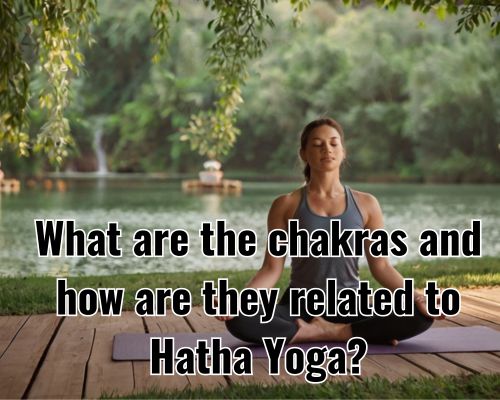
doing hatha yoga calmly

Understanding Chakras: The Body’s Subtle Energy Centers

The word chakra comes from Sanskrit and translates to “wheel” or “disc”. In the yogic tradition, chakras are seen as spinning wheels of energy located along the spine, each representing different physical, emotional, and spiritual aspects of a person’s being. There are seven main chakras in the human body:

  1. Root Chakra (Muladhara) – Located at the base of the spine; associated with safety, stability, and grounding.
  2. Sacral Chakra (Svadhisthana) – Just below the navel; governs creativity, sexuality, and pleasure.
  3. Solar Plexus Chakra (Manipura) – Upper abdomen; linked to confidence, willpower, and personal identity.
  4. Heart Chakra (Anahata) – Center of the chest; tied to love, compassion, and emotional healing.
  5. Throat Chakra (Vishuddha) – At the throat; governs communication and self-expression.
  6. Third Eye Chakra (Ajna) – Between the eyebrows; associated with intuition and insight.
  7. Crown Chakra (Sahasrara) – At the top of the head; symbolizes spiritual connection and higher consciousness.

Each chakra is considered both an energy center and a gateway to deeper understanding of oneself. When energy flows freely through these centers, it is believed that physical, mental, and spiritual well-being is optimized.

How Hatha Yoga Aligns and Activates Chakras

Hatha Yoga, one of the oldest forms of yoga, places a strong emphasis on balancing the body and mind through asana (postures), pranayama (breath control), and dhyana (meditation). These three pillars of Hatha Yoga are intentionally structured to open, activate, and balance the chakras.

For example:

  • Root Chakra: Grounding poses like Tadasana (Mountain Pose) or Virabhadrasana I (Warrior I) help connect practitioners to the earth, reinforcing a sense of safety and security.
  • Heart Chakra: Poses such as Ustrasana (Camel Pose) and Bhujangasana (Cobra Pose) open the chest and encourage emotional release and love.
  • Crown Chakra: Meditative practices such as Shavasana or seated silence invite connection with higher consciousness.

In Mornington, yoga studios like Bikram Yoga Mornington, The Yoga Circle, and wellness spaces near Main Street often integrate chakra-focused sequences into their Hatha Yoga classes. These sessions help locals achieve not just physical strength but also emotional equilibrium and mental clarity.

Chakra Balancing and Everyday Wellness in Mornington

Living near the ocean and natural beauty of the Mornington Peninsula can be incredibly nourishing for the spirit. Yet, like anywhere else, residents face stress from work, relationships, or health challenges. Chakra-based Hatha Yoga provides a structured method to address these imbalances holistically.

Here’s how chakra alignment through Hatha Yoga can benefit locals:

  • Reducing Stress: Working on the solar plexus and heart chakras can reduce anxiety and increase emotional resilience, especially helpful in fast-paced work environments or for small business owners in Mornington.
  • Enhancing Creativity: Artists and creatives who live near Mornington’s thriving arts scene may benefit from activating their sacral chakra through dynamic flow-based Hatha Yoga routines.
  • Deepening Intuition: Coastal living often encourages introspection. Practices targeting the third eye chakra can support mindfulness and personal insight, ideal for those looking to reconnect with nature and inner wisdom.

Moreover, seasonal yoga retreats held in Red Hill, Mount Martha, and Balnarring frequently incorporate chakra teachings, making the practice accessible for both visitors and locals looking to expand their knowledge.

The Science Behind the Energy: Chakras and Physiology

While chakras originate from ancient Indian spiritual texts, modern research is increasingly interested in understanding them through the lens of psychoneuroimmunology and somatic psychology. Each chakra location roughly corresponds to a nerve plexus or gland. For example, the throat chakra aligns with the thyroid, and the solar plexus with the adrenal glands.

Hatha Yoga’s role in activating these areas suggests a biological basis for the anecdotal benefits many practitioners report—such as improved digestion (linked to the solar plexus) or clearer thinking (associated with the crown and third eye).

Many health professionals across Mornington now recommend gentle yoga to complement therapies for anxiety, hormonal imbalance, or chronic pain—further affirming the chakra-yoga connection.

Getting Started: Chakra-Inspired Hatha Yoga in Mornington

Whether you’re brand new to yoga or looking to deepen an existing practice, Mornington offers several welcoming options:

  • Intro to Hatha Yoga Classes at Essence Yoga Studio often include guided breathwork for energy alignment.
  • Chakra Meditation Circles at Saltwater Wellness help deepen the mind-body connection with a spiritual touch.
  • Outdoor Yoga Events along Schnapper Point or Mothers Beach provide a serene setting to practice asanas that correspond with different chakras.

Local yoga teachers trained in Hatha often design their sessions to balance energy centers based on seasonal or lunar cycles—a practice rooted in traditional yogic texts like the Hatha Yoga Pradipika.

Final Thoughts: The Synergy of Chakras and Hatha Yoga in Mornington

Understanding what the chakras are and how they relate to Hatha Yoga opens up a more meaningful path to self-awareness, especially when practiced in an environment as naturally restorative as Mornington, Australia.

By harmonizing the physical and energetic body, chakra-aligned Hatha Yoga provides more than just flexibility or strength. It becomes a living practice—one that supports holistic healing, emotional regulation, and spiritual growth.

Whether you’re attending a class on Main Street, meditating at sunrise near Fisherman’s Beach, or simply breathing mindfully in your backyard, Hatha Yoga’s chakra connection offers Mornington locals a profound way to nourish both body and soul.

Related Post

The Art of Moving On: Creative Outlets in the CityThe Art of Moving On: Creative Outlets in the City

Heartbreak is a messy, chaotic emotion that often defies logic. When a long-term relationship ends in London, the silence in your flat can be deafening. While it’s tempting to spend your evenings re-watching old shows, there is a more powerful way to process the pain: creativity. Engaging in creative activities isn’t about being “good” at art; it’s about giving your emotions a physical shape so they no longer have to live entirely inside your head according to  https://angelagallo.com/.

London is a global hub for artistic expression, and for someone navigating the dating scene’s pitfalls or a painful split, the city offers unique ways to externalize grief. Art therapy, for example, is a structured way to turn the “unspoken” into something visible. Organizations like The Art Therapy Agency in London provide sessions where you can explore the debris of a breakup through colors and textures. You don’t need to be Picasso; you just need to be willing to let your frustration flow onto a canvas. There is a profound release in smearing bright red paint across a page when words fail you according to  https://remi-portrait.com/.

Writing is another transformative tool. The dating world in London can feel like a series of fragmented stories—the “ghosting,” the near-misses, and the deep connections that ended too soon. Attending a workshop at the London Writers’ Café offers more than just writing tips; it offers a community. Sharing your narrative with others who are also trying to make sense of their lives can immediately dissolve the isolation that heartbreak creates.

Putting pen to paper allows you to trace the contours of your experience. When you write down the story of your relationship, you stop being a victim of the plot and start becoming the author. You begin to see patterns, lessons, and eventually, the exit signs. Whether you’re writing poetry in a quiet corner of a Soho café or journaling on the top deck of a red bus, the act of expression is an act of reclamation.

If you’re not ready for a formal class, London itself is your muse. You might try:

  • Daily Journaling: Write “letters never sent” to your ex to clear the air in your own mind.
  • Street Photography: Take your phone or a camera and wander through the vibrant streets of Shoreditch or Notting Hill. Focus on the beauty in the “cracks”—the peeling posters and the weathered brickwork.
  • Songwriting or Poetry: Use the rhythmic noise of the Underground as a backdrop for finding your own voice again.

The goal isn’t perfection; it’s honesty. When you create something, you are proving to yourself that you are still capable of bringing something new into the world, even when you feel like a part of you has been lost. It turns the “void” left by a partner into a space for self-discovery.

Creative outlets provide a bridge from the “old you” to the “new you.” They allow you to be messy and uncertain, which is exactly what healing requires. By making your internal pain tangible, it becomes manageable. Once you’ve started to find your voice through art or writing, you’ll find you have more energy to reconnect with the world around you.

A serene figure performs hatha yoga postures in a peaceful studio, focusing on slow, deliberate movements and controlled breathing

How is Hatha Yoga Different from Regular Yoga: Key Distinctions ExplainedHow is Hatha Yoga Different from Regular Yoga: Key Distinctions Explained

Yoga, with its myriad styles and approaches, offers something for everyone, but distinguishing between these styles can sometimes be a challenge.

Among these, Hatha yoga often stands out for those exploring the world of yoga for the first time.

Hatha yoga is characterised by its slower pace and focus on breath and posture, making it distinct from other styles typically classified under “regular yoga”. This approach is particularly appealing to beginners or those seeking a more meditative practice.

A serene figure performs hatha yoga postures in a peaceful studio, focusing on slow, deliberate movements and controlled breathing

Unlike more dynamic styles such as Vinyasa yoga, which is known for its fluid and fast-paced movements, Hatha yoga allows practitioners to linger in poses, ensuring proper alignment and deeper breathing.

This method promotes a balanced practice that is both physically accessible and mentally calming.

The gentle pace and the emphasis on balance and stillness make it a unique offering within the broader spectrum of yoga practices.

In a world that can often feel rushed, the slow and intentional movements of Hatha yoga provide a respite, sometimes considered an antidote to the more vigorous styles.

It invites practitioners to slow down, connect with their breath, and embrace a form of yoga that nurtures body and mind simultaneously.

By understanding these differences, individuals can better choose a yoga practice that aligns with their personal goals and lifestyle, see https://bikramyogamornington.com.au/ for more.

Understanding Hatha Yoga

Hatha Yoga combines physical postures, breathing techniques, and meditation to promote harmony and spiritual growth.

It emphasises a mindful practice, focusing on alignment and relaxation to improve strength, flexibility, and mental clarity.

Foundational Principles

Classical Hatha Yoga is grounded in the integration of body, mind, and spirit. This form of yoga is fundamentally about creating harmony within oneself by balancing physical effort and mental focus.

Breathing techniques, or pranayama, are essential, allowing practitioners to calm the mind and energise the body.

Attention to alignment in each asana ensures safety and effectiveness, creating a deeper mind-body connection. Through consistent practice, Hatha Yoga serves as a pathway to spiritual growth and mindfulness.

Core Characteristics

Hatha Yoga is characterised by its balanced approach to physical postures, or asanas, and controlled breathing.

Asanas are typically held for longer durations, allowing practitioners to explore depth and alignment in each pose. This slower pace aids in developing strength and flexibility whilst promoting relaxation and mental clarity.

The practice often includes a variety of poses designed to enhance overall health.

Emphasis on mindfulness encourages practitioners to be present with their bodies, aligning movements with breath and fostering a calming, meditative state.

Holistic Benefits

The benefits of Hatha Yoga extend to physical, mental, and emotional dimensions.

Physically, it boosts strength and improves flexibility, fostering better posture and alignment.

Breathing practices reduce stress and increase oxygen supply, supporting relaxation and mental clarity.

Practitioners, see https://bikramyogamornington.com.au/, often experience reduced stress and enhanced mental focus, contributing to their overall health and wellbeing.

As a holistic practice, Hatha Yoga nurtures a deeper awareness of the mind-body connection, helping individuals achieve greater harmony and balance in their lives.

Comparative Analysis of Yoga Styles

Yoga styles vary in intensity, focus, and objectives, making them suitable for different preferences and goals.

Understanding their distinctions can help practitioners choose a style that best fits their needs, whether it be enhancing core strength, improving flexibility, or reducing anxiety.

Hatha vs. Vinyasa Yoga

Hatha Yoga is known for its slow pace and emphasis on breathing, making it ideal for beginners or those recovering from injuries.

It focuses on holding poses for extended periods, enhancing balance and flexibility.

In contrast, Vinyasa Yoga, often referred to as Vinyasa Flow, integrates movement and breath in a seamless sequence.

It provides a cardio workout, improving energy levels and core strength. This style is more dynamic than Hatha, appealing to those seeking a vigorous session that also incorporates meditation elements.

Distinguishing Ashtanga and Iyengar Practices

Ashtanga Yoga follows a specific sequence of postures, performed with increasing intensity, which promotes purification through sweat.

It demands strength and discipline, often attracting experienced practitioners aiming to boost core strength and manage anxiety.

Iyengar Yoga is characterised by a strong emphasis on alignment and precision, using props to assist in achieving correct postures.

It is an excellent choice for individuals with injuries or those who want to deepen their understanding of yoga through meticulous attention to detail. Iyengar focuses on balance and energy levels, accommodating a broader range of abilities.

Other Yoga Variations and Practices

Beyond these styles, numerous other yoga variations cater to distinct preferences.

Yin Yoga, for instance, involves holding poses for several minutes. It targets deep connective tissues and is suitable for increasing flexibility and reducing stress and anxiety.

Practices like Yama emphasise ethical precepts and mental purification. Such styles highlight yoga’s diverse potential to foster physical and mental wellbeing.

Choosing the right style depends largely on individual goals. Some people want to enhance their overall fitness, others want to promote relaxation, and some want to achieve a balanced state of mind.

From Friends to Lovers: Navigating the Transition in LondonFrom Friends to Lovers: Navigating the Transition in London

Navigating friendships in London can be a lot like exploring its winding streets—full of surprises and unexpected turns. What starts as sharing a laugh over coffee in a cozy café can sometimes blossom into something more profound. But when those emotions shift, it raises a question: Can friendships truly survive the leap into romance? And is it possible to enjoy the warmth of companionship while exploring deeper feelings according to  https://zomgcandy.com/balancing-life-and-love-how-online-dating-fits-into-your-lifestyle/

In the vibrant city of London, where life is lived at a fast pace, friendships often evolve into love stories through shared experiences, increased emotional intimacy, and open communication. The social dynamics of a bustling urban setting can facilitate deeper connections, making it crucial for friends to recognize and address any mutual romantic interests that may develop over time according to  https://eastendtastemagazine.com/discover-cultural-features-of-foreign-countries-traveling-and-dating/.

This transition from friends to lovers often involves specific emotional developments that can happen gradually or all at once. It usually starts with a noticeable shift in feelings, where one or both partners begin to view the other not just as a confidant, but as someone who sparks romantic interest. This change can bring a mix of excitement, curiosity, and fear, as it’s a significant leap from the comfort of friendship into the uncertain territory of romance.

This emotional awakening often coincides with a deepening emotional connection. Friends become more attuned to each other’s needs, sharing thoughts and feelings they may not have expressed before. For example, you might find yourselves talking late into the night, sharing insecurities or dreams you’ve never discussed with anyone else. Each of these intimate conversations strengthens your bond, shifting the relationship’s foundation further toward love.

Shared experiences play a pivotal role in amplifying these budding feelings. Activities you do together become integral to solidifying the romantic transition. Imagine strolling hand-in-hand through London on a crisp autumn day, laughing while sampling delicious street food at Borough Market, or dancing to the lively beats of the Notting Hill Carnival. These moments create lasting memories and foster a sense of vulnerability and trust. Each shared experience reinforces the idea that life is better when spent together—an essential realization for friendships that are evolving into something more profound. Taking risks is also a key part of this process. If both friends consistently do things that challenge their comfort zones—be it taking dance classes, hiking rugged trails, or trying out a quirky new restaurant—you’ll likely discover new layers in each other that were previously hidden. These moments help solidify your connection and reveal a compatibility that can form the foundation for a strong romantic relationship. Recognizing these shifts is crucial, as they are often subtle yet powerful cues indicating deeper feelings are at play.