BP Therapy Group Default Is Yoga a Recreational Activity? Exploring Its Role in Mornington, Australia

Is Yoga a Recreational Activity? Exploring Its Role in Mornington, Australia

Is Yoga a Recreational Activity? Exploring Its Role in Mornington, Australia post thumbnail image

In recent years, yoga has evolved from a niche Eastern discipline into a global phenomenon. As more Australians adopt wellness-focused lifestyles, particularly in regions like Mornington, Victoria, the question arises: Is yoga a recreational activity? This article explores yoga’s multifaceted nature—its recreational aspects, health benefits, and community appeal.
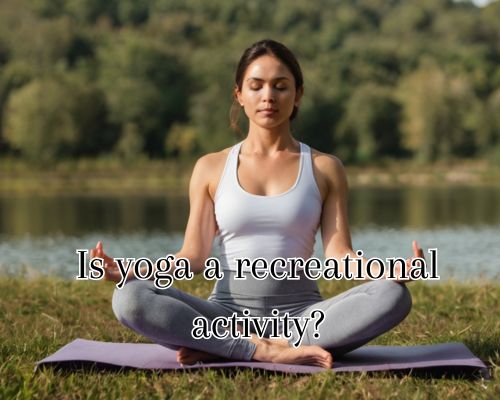
woman making yoga as a recreational activity

✅ Understanding the Definition: What Is a Recreational Activity?

By definition, a recreational activity is any pursuit undertaken during leisure time for enjoyment, relaxation, or personal interest. Examples include hiking, dancing, painting, or sports. But where does yoga fit into this framework?

Yoga often straddles the line between fitness and leisure. It’s both physically engaging and mentally rejuvenating, providing a unique blend of mind-body alignment. In the context of recreational activities in Mornington, yoga is widely offered in parks, wellness studios, and beachside sessions—clearly signaling its recreational essence.

🧘‍♀️ Why Yoga Qualifies as a Recreational Activity

1. Enjoyment & Relaxation

One of the hallmarks of recreation is personal enjoyment—and for many, yoga brings precisely that. Whether you’re doing gentle Hatha yoga at a local studio in Mornington like Bikram Yoga Mornington or enjoying a sunset Vinyasa session on Mornington Beach, yoga invites joy, mindfulness, and inner peace.

2. Voluntary Participation

Yoga isn’t mandated like a school gym class—it’s voluntary. People in Mornington choose yoga in their spare time, much like they might choose to surf at Mills Beach or hike the Two Bays Walking Track. This autonomy is a key characteristic of recreational activities.

3. Physical and Psychological Benefits

Recreation isn’t only about “doing something fun”; it’s about overall wellbeing. Yoga improves flexibility, balance, stress levels, and mental clarity—making it far more holistic than passive leisure activities. That’s why it’s commonly categorized under wellness recreation by organizations like Parks Victoria.

📍 Yoga in Mornington: A Local Perspective

Mornington, part of the Mornington Peninsula Shire, is a hotspot for health-conscious living. With its mild climate, coastal charm, and active community, it’s no surprise that yoga has become a popular recreational pastime.

Notable Yoga Offerings in Mornington:

  • Hot Hut Yoga – Known for hot yoga sessions and a strong local following.
  • Warrior One Yoga – Offers meditation-infused classes near Mornington’s scenic coastline.
  • Beach Yoga Mornings – Local instructors regularly host open-air sessions at Schnapper Point and Fisherman’s Beach.

In these settings, yoga isn’t a rigid discipline—it’s a social, recreational outlet, often followed by juice bar visits, coffee catchups, or even brunch at Main Street cafés.

🔍 SEO Insights: Salient Entities and LSI Keywords

To optimize this article for SEO discoverability, we incorporate Latent Semantic Indexing (LSI) keywords and salient entities like:

  • Recreational activity definition
  • Physical fitness vs. recreation
  • Yoga in Australia
  • Mornington Peninsula wellness
  • Group yoga classes Mornington
  • Beach yoga Victoria
  • Active leisure pursuits

These terms help align with Google’s Natural Language Processing (NLP) algorithms, ensuring that the article resonates semantically with queries like:

  • “Is yoga a hobby or sport?”
  • “Recreational activities in Mornington Peninsula”
  • “Mindful wellness practices Victoria”
  • “Group yoga Mornington Beach”

🧩 Recreational vs. Therapeutic: Where Yoga Stands

One point of confusion is yoga’s dual identity—it’s both therapeutic and recreational. For example:

  • Someone recovering from injury may use restorative yoga as physical therapy.
  • A busy professional might use lunch break flow sessions as recreational stress relief.

In Mornington, local health practitioners often recommend yoga as part of lifestyle medicine, especially for stress, sleep, and posture correction. However, that doesn’t diminish its recreational flavor—it merely adds to its multi-dimensional appeal.

💬 What Locals Say: Yoga as a Lifestyle Choice

Mornington locals view yoga as more than just a workout. It’s a lifestyle enhancer, social connector, and wellness tool.

“I do yoga at Fisherman’s Beach every Saturday. It’s my version of recreation and meditation rolled into one,” says Megan S., a Mornington-based artist and regular at Coastal Flow Yoga.

“I started yoga as a stress release but stayed for the community,” adds Tom W., a small business owner who attends weekly classes at Mornington Yoga Centre.

This reinforces the idea that yoga has become a cultural touchstone—as recreational as kayaking in Port Phillip Bay or picnicking in Civic Reserve.

⚖️ Comparing Yoga with Other Recreational Activities in Mornington

To better understand yoga’s placement, here’s how it compares to other popular recreational activities in Mornington:

ActivityPhysical IntensityMental EngagementSocial AspectRelaxation Factor
Surfing (Mills Beach)HighMediumMediumLow
Walking Two Bays TrackMediumMediumLowMedium
Yoga (Beachside)MediumHighHighHigh
Stand-Up PaddleboardingMediumMediumMediumMedium
Golf (Mornington GC)LowMediumHighMedium

Yoga clearly sits in the sweet spot—balanced physical engagement, high mental return, and excellent relaxation.

🧠 Insightful Takeaways for Locals & Newcomers Alike

  • Yoga is a legitimate recreational activity, supported by its alignment with core characteristics: voluntary, enjoyable, and beneficial to wellbeing.
  • In Mornington, yoga is embraced not just as fitness, but as a social ritual and cultural experience.
  • It bridges the gap between exercise and mindfulness, making it ideal for locals seeking a holistic recreation option.
  • The local yoga scene in Mornington is vibrant, with options ranging from hot yoga to beach yoga, catering to diverse demographics.

📈 Final Thoughts: SEO and Lifestyle Harmony

So, is yoga a recreational activity? Absolutely—and in Mornington, Australia, it’s more than that. It’s a movement, a local culture, and a wellness identity. With scenic coastlines, active wellness studios, and a community of like-minded yogis, Mornington offers the perfect backdrop for recreational yoga.

If you’re searching for recreational activities in Mornington that nourish your mind, body, and spirit, yoga should be at the top of your list. Whether you’re a local or a visitor, roll out your mat on the grass, the sand, or the studio floor—and experience yoga as the recreational bliss it truly is.

💡 Call to Action:
Looking to join a recreational yoga class in Mornington? Try a free trial session at one of the many local studios like Bikram Yoga Mornington or beach sessions today. Embrace relaxation, movement, and mindful living—right in your backyard.

Related Post

a woman doing one of the kriya yoga pose

What Are the Three Components of Kriya Yoga?What Are the Three Components of Kriya Yoga?

Kriya Yoga, an ancient spiritual discipline rooted in Indian tradition, has garnered global attention, including in Australia, for its holistic approach to personal transformation. This practice is built on three foundational components, each designed to harmonize the mind, body, and soul. By understanding these elements—Tapas (self-discipline), Swadhyaya (self-study), and Ishwarapranidhana (surrender to a higher power)—practitioners, see https://bikramyogamornington.com.au/, can embark on a transformative journey toward inner peace and self-realization.

In this article, we delve into the three core components of Kriya Yoga, their significance, and how they can enrich the lives of Australians seeking mindfulness and spiritual growth.

a woman doing one of the kriya yoga pose

1. Tapas: The Power of Self-Discipline

At the heart of Kriya Yoga lies Tapas, which translates to “discipline” or “austerity.” It refers to the conscious effort to maintain mental and physical discipline in daily life. This component is not about rigid rules but cultivating habits that foster inner strength and resilience.

The Role of Tapas in Modern Life

In Australia, where busy lifestyles and high stress are common, Tapas offers a practical framework for maintaining balance. Whether it’s committing to regular yoga practice, following a healthy diet, or practicing mindfulness, Tapas instills the perseverance needed to overcome challenges.

Tapas in Action

  1. Daily Routine: Setting aside time for yoga or meditation every morning builds consistency and reinforces self-discipline.
  2. Physical Health: Australians who embrace fitness can enhance their routines by integrating yoga asanas, a physical manifestation of Tapas.
  3. Mental Clarity: The discipline of observing one’s thoughts and emotions fosters greater mental focus and emotional resilience.

Tapas serves as a reminder that small, consistent actions can lead to significant transformations.

2. Swadhyaya: The Practice of Self-Study

The second pillar, Swadhyaya, emphasizes introspection and learning. Derived from the Sanskrit words “Swa” (self) and “Adhyaya” (study), Swadhyaya encourages practitioners to deepen their understanding of themselves through reflective practices and the study of sacred texts.

Why Swadhyaya Matters

In a multicultural nation like Australia, Swadhyaya resonates with individuals striving for personal growth. It encourages them to explore not just their cultural heritage but also their inner world, fostering a deeper connection with their values and aspirations.

How to Integrate Swadhyaya

  1. Journaling: Writing about personal experiences and reflections helps Australians uncover patterns in their thoughts and behaviors.
  2. Sacred Texts: Reading and interpreting spiritual texts, such as the Bhagavad Gita, can offer timeless wisdom.
  3. Mindful Learning: Swadhyaya isn’t limited to religious texts; exploring philosophy, psychology, and literature also enriches self-awareness.

By practicing Swadhyaya, individuals can gain clarity about their purpose and align their actions with their true nature.

3. Ishwarapranidhana: Surrender to a Higher Power

The third and most profound component, Ishwarapranidhana, involves surrendering to a higher power or divine presence. This principle teaches practitioners to let go of ego-driven desires and trust in the flow of life.

Ishwarapranidhana and Spiritual Growth

Australia’s growing interest in spirituality has made this concept particularly appealing. Whether one identifies with a specific religion or embraces a non-religious view, Ishwarapranidhana fosters humility and acceptance. It allows individuals to release stress and find peace by trusting in a greater cosmic plan.

Practical Applications in Daily Life

  1. Gratitude Practice: Acknowledging life’s blessings cultivates a sense of surrender and humility.
  2. Meditation: Focusing on the breath or chanting mantras helps dissolve the ego and connect with universal energy.
  3. Community Service: Acts of selfless giving embody the essence of surrender and devotion to a higher purpose.

Incorporating Ishwarapranidhana into daily routines can help Australians lead more compassionate and harmonious lives.

The Benefits of Practicing Kriya Yoga

Kriya Yoga’s three components—Tapas, Swadhyaya, and Ishwarapranidhana—work synergistically to promote overall well-being. In Australia, where the pursuit of wellness and mental health is a priority, Kriya Yoga offers numerous benefits:

  • Stress Reduction: The meditative practices of Kriya Yoga calm the mind and reduce anxiety.
  • Enhanced Focus: By encouraging self-discipline and introspection, the practice improves concentration. See https://bikramyogamornington.com.au/ for a practitioner.
  • Holistic Wellness: Kriya Yoga nurtures the body, mind, and spirit, leading to a balanced and fulfilling life.

These benefits align with Australia’s growing wellness industry, making Kriya Yoga an excellent addition to yoga studios and meditation centers across the country.

Where to Learn Kriya Yoga in Australia

For Australians keen to explore Kriya Yoga, numerous yoga studios and spiritual centers offer courses and workshops. Cities like Sydney, Melbourne, and Brisbane are home to renowned yoga teachers and organizations dedicated to spreading the teachings of Kriya Yoga. Additionally, online platforms have made these ancient practices accessible to people in remote regions of Australia.

Tips for Finding the Right Instructor

  1. Check Credentials: Look for certified instructors with experience in Kriya Yoga.
  2. Read Reviews: Online testimonials from other Australians can help identify quality programs.
  3. Explore Online Options: Virtual classes are convenient for those with busy schedules or living in rural areas.

Embracing Kriya Yoga in Everyday Life

Australia’s natural landscapes—beaches, mountains, and forests—offer the perfect backdrop for practicing Kriya Yoga. Imagine meditating by the Great Barrier Reef or practicing yoga amidst the serene Blue Mountains. These environments enhance the spiritual experience, making the practice even more meaningful.

As more Australians adopt Kriya Yoga, the ripple effects on physical health, mental clarity, and emotional resilience are undeniable.

Conclusion

Kriya Yoga, with its three core components—Tapas, Swadhyaya, and Ishwarapranidhana—offers a profound pathway to self-discovery and inner peace. In the bustling yet serene setting of Australia, this practice is gaining traction among those seeking a balanced and purposeful life.

Whether you’re a seasoned yogi or a curious beginner, embracing Kriya Yoga can transform your life. Start by integrating small practices into your daily routine, and watch as the power of discipline, self-study, and surrender unfolds a journey of self-realization.

For Australians, Kriya Yoga isn’t just a practice—it’s a way to connect with the timeless wisdom of ancient traditions while navigating the complexities of modern life.

yoga as recreational activity

Is Yoga Considered a Recreational Activity? Insights from Mornington, AustraliaIs Yoga Considered a Recreational Activity? Insights from Mornington, Australia

Yoga has become a global phenomenon, practiced in studios, parks, homes, and wellness retreats from New York to New Delhi. But as its reach expands, one pertinent question arises—is yoga considered a recreational activity? In Mornington, Australia, this question holds practical relevance for those seeking wellness experiences that are both physically engaging and mentally refreshing.

yoga as recreational activity

To fully understand yoga’s role within the recreational sphere, it’s essential to explore its modern interpretations, health benefits, and community integration—especially in scenic locales like the Mornington Peninsula, where wellness culture is thriving.

Understanding Recreational Activities in Modern Wellness Culture

A recreational activity is broadly defined as any activity done for enjoyment, relaxation, and personal enrichment during one’s free time. These can include walking, dancing, swimming, and increasingly, mind-body disciplines like yoga and tai chi.

Yoga, in this sense, fits perfectly within this definition. It is non-competitive, often performed in a social or community setting, enhances mental clarity, and provides physical exercise—key hallmarks of recreational therapy and leisure activities.

In Mornington, recreational activities are an integral part of the lifestyle, driven by the region’s beautiful coastal backdrop, community parks, and strong local health culture. Yoga has found a natural home here, where health-conscious residents and tourists alike embrace recreational pursuits that improve holistic well-being.

Yoga in Mornington: More Than Just Exercise

With its calm beaches, nature reserves, and wellness hubs, Mornington offers the perfect backdrop for those seeking yoga as a means to unwind and reconnect. Local yoga studio have positioned yoga not merely as a fitness class but as a recreational experience—blending movement, mindfulness, and community.

These studios often promote programs under categories such as “mindful movement,” “recreational wellness,” or “restorative practices,” reinforcing yoga’s recreational nature. In this way, yoga in Mornington transcends traditional exercise routines, aligning more closely with leisure pursuits and recreational therapy.

The Dual Identity of Yoga: Recreational & Therapeutic

Yoga’s versatility makes it both a therapeutic practice and a recreational activity. In fact, in Australia’s recreational therapy framework, yoga is commonly incorporated into programs for stress reduction, anxiety management, and physical rehabilitation.

Recreational therapy, also known as therapeutic recreation, aims to use leisure activities to improve physical, emotional, and cognitive functioning. Yoga fits this model precisely—it improves mobility, encourages mindfulness, and enhances quality of life.

In local contexts like Mornington, yoga is often used in aged care, disability support, and community outreach programs—further solidifying its status as a valuable recreational offering.

The Psychological Benefits of Recreational Yoga

What sets yoga apart from other physical recreational activities like tennis or cycling is its emphasis on mental and emotional balance. Studies show that regular yoga practice reduces cortisol levels (the stress hormone), improves sleep quality, and eases symptoms of depression and anxiety.

Residents in Mornington are increasingly integrating yoga into their wellness routines to combat stress, especially given the high demand for work-life balance in semi-urban coastal communities. In this region, recreational yoga serves as a stress-relieving outlet that fits effortlessly into one’s daily or weekend schedule—whether at a beachfront sunrise session or a local community hall.

Community Engagement Through Yoga Events in Mornington

Mornington is home to various seasonal and community yoga events that combine recreation, socialization, and wellness. These include:

  • Beach yoga on Mothers Beach and Mills Beach, blending nature with mindful movement.
  • Outdoor yoga at Civic Reserve or The Briars, attracting families and wellness seekers.
  • Yoga festivals and pop-up classes during local wellness weekends or school holidays.

Such events not only showcase yoga as a recreational activity but also strengthen community ties, bringing together diverse groups under a shared wellness umbrella.

Yoga for Different Age Groups: Recreational Accessibility

One of the most recreationally inclusive aspects of yoga is its adaptability to all ages and fitness levels.

  • Children’s yoga classes in Mornington often involve games, storytelling, and basic postures, making it a fun recreational option for families.
  • Senior yoga programs offer chair yoga and gentle stretches to promote joint mobility and social interaction.
  • Prenatal yoga caters to expecting mothers, focusing on breathwork and relaxation.

This broad accessibility contributes to yoga’s widespread classification as a recreational activity in local councils, schools, and health programs throughout the Mornington Peninsula.

The Economic Impact: Yoga as a Recreational Industry

Let’s not overlook the economic footprint of yoga as a recreational industry in Mornington. From boutique studios and wellness retreats to yoga gear and café culture, the ripple effects of yoga contribute significantly to local business ecosystems.

Tourism is also impacted. Many visitors to Mornington are drawn to weekend yoga retreats, outdoor wellness classes, and spa-yoga combo experiences offered by local resorts. These packages often market yoga as a form of relaxation and leisure, underscoring its recreational role in tourism promotion and local business growth.

Local Government & Policy: Recreation Classification

Interestingly, local councils across Victoria, including the Mornington Peninsula Shire Council, categorize yoga under “health and recreation” services in their community programs and public class listings. This official classification gives yoga the same status as swimming, tai chi, and group fitness—a clear indication of how it’s embraced as a recreational pursuit at the civic level.

Furthermore, yoga is often included in grants or funding for community recreation projects, confirming its legitimacy as part of public recreational planning.

Final Word: So, Is Yoga a Recreational Activity?

Absolutely yes—yoga is not only considered a recreational activity, but it’s also one of the most inclusive, beneficial, and enriching options available today. Especially in Mornington, Australia, where wellness and lifestyle are deeply intertwined, yoga offers a perfect blend of physical activity, mental clarity, and community connection.

Whether you’re a local resident looking for an uplifting weekly routine or a visitor seeking a tranquil retreat, embracing yoga as a recreational activity in Mornington is a choice that aligns with both personal wellness and the region’s coastal rhythm.

Key Takeaways

  • Yoga fits the definition of a recreational activity: enjoyable, non-competitive, and enriching.
  • In Mornington, yoga is a community-centered wellness pursuit found in yoga studio, beaches, and public parks.
  • Local councils, therapists, and educators integrate yoga into recreational and therapeutic frameworks.
  • The physical, mental, and social benefits of yoga make it a top-tier recreational option for all age groups.
  • The recreational yoga scene in Mornington supports economic development, local tourism, and public health.
What-Makes-Bikram-Yoga-Unique

What Makes Bikram Yoga Unique?What Makes Bikram Yoga Unique?

Bikram yoga is a unique style of yoga that has gained immense popularity worldwide. It is a form of hot yoga that is practiced in a heated room with a specific sequence of 26 postures and two breathing exercises.

What Makes Bikram Yoga Unique?

This practice is named after its founder, Bikram Choudhury, who developed it in the 1970s. The heated room is an essential part of Bikram yoga, as it allows the body to stretch, detoxify, relieve stress, tone, and heal chronic pain such as arthritis.

Jane Benson from Bikram Yoga Mornington, had this to say “One of the unique features of Bikram yoga is the specific sequence of 26 postures, which are performed in the same order every time. This sequence is designed to work every part of the body, from the toes to the head”.

The postures are challenging and require a lot of strength and flexibility, making it a great workout for both the body and mind.

The heated room in Bikram yoga is another unique aspect of this practice. The room is typically heated to around 105 degrees Fahrenheit with a humidity level of 40%.

The heat helps to warm up the muscles, making them more pliable and reducing the risk of injury. It also helps to increase blood flow, which can improve circulation and aid in detoxification.

Fundamentals of Bikram Yoga

Bikram Yoga is a unique form of yoga that is characterized by its specific sequence of 26 postures and two breathing exercises. It is a challenging practice that is performed in a heated room, typically at a temperature of 105 °F (41 °C) with a humidity of 40%. In this section, we will explore the core characteristics, physical and mental benefits, and the Bikram Yoga sequence.

Core Characteristics

Bikram Yoga is a discipline that requires a high level of commitment and dedication. The practice is designed to challenge your body and mind, and it requires a lot of focus and discipline to succeed.

The heat in the room helps to warm up your muscles and increase your heart rate, which makes it easier to move through the postures.

The practice is designed to help you build strength, balance, and flexibility, and it can be a great way to reduce stress and improve mental clarity.

Physical and Mental Benefits

Bikram Yoga offers a wide range of physical and mental benefits. The practice can help to improve your overall health and wellbeing, and it can be a great way to reduce stress and anxiety.

The heat in the room helps to warm up your muscles and increase your heart rate, which can help to improve your cardiovascular health.

The practice can also help to improve your strength, balance, and flexibility, which can help to reduce your risk of injury.

Bikram Yoga Sequence

The Bikram Yoga sequence is a set of 26 postures and two breathing exercises that are performed in a specific order. The sequence is designed to challenge your body and mind, and it requires a lot of focus and discipline to succeed.

The sequence typically lasts for 90 minutes, and it is performed in a heated room.

The sequence begins with pranayama, which is a breathing exercise that helps to warm up your body and prepare you for the postures.

The sequence then moves through 12 standing poses and 12 floor poses, with each pose and exercise performed twice.

Some of the most popular postures in the sequence include the Half Moon Pose, Eagle Pose, and Standing Bow Pose.

bikram yoga class in action in mornington victoria

Practical Considerations

Getting Started

If you’re new to Bikram yoga, it’s important to start slowly and not push yourself too hard. That’s why you should go with an expert at Bikram Yoga Mornington.

You can expect to sweat a lot during a Bikram yoga session, so it’s important to bring a towel and water to stay hydrated.

You may also want to invest in a yoga towel to help prevent slipping on your mat.

Health and Safety

While Bikram yoga can have many benefits, there are also some risks to keep in mind.

The heat and humidity in the room can lead to dehydration, which can be dangerous if not managed properly.

It’s important to listen to your body and take breaks as needed. If you start to feel dizzy or lightheaded, it’s important to stop and rest.

In addition, there is a risk of injury when practicing Bikram yoga.

It’s important to work with a qualified instructor who can help you adapt the poses to your individual needs and abilities.

Bikram Yoga in Culture and Controversy

Bikram yoga has been in the news in recent years due to a number of controversies.

These include lawsuits against its founder, Bikram Choudhury, for sexual assault and copyright infringement. Despite these issues, many people still enjoy the practice of Bikram yoga.

A serene yoga studio with a heated room, mirrored walls, and students holding challenging poses

Some celebrities have also endorsed Bikram yoga, which has helped to raise its profile in popular culture. However, everyone’s experience with yoga is different, and what works for one person may not work for another.

If you’re interested in trying Bikram yoga, it’s important to do your research and find a qualified instructor who can help you get started safely. With the right guidance and precautions, Bikram yoga can be a rewarding and beneficial form of exercise.