BP Therapy Group Default Why Is Yoga So Therapeutic? Discover the Benefits in Mornington, Australia

Why Is Yoga So Therapeutic? Discover the Benefits in Mornington, Australia

Yoga has long been celebrated for its physical, mental, and emotional benefits. Whether you’re practicing in a serene studio overlooking Mornington Peninsula or at home, the therapeutic effects of yoga can transform your well-being. But why is yoga so therapeutic? With Bikram Yoga Mornington, we’ll explore the science, holistic benefits, and local resources in Mornington, Australia, to help you deepen your understanding of yoga’s healing properties.
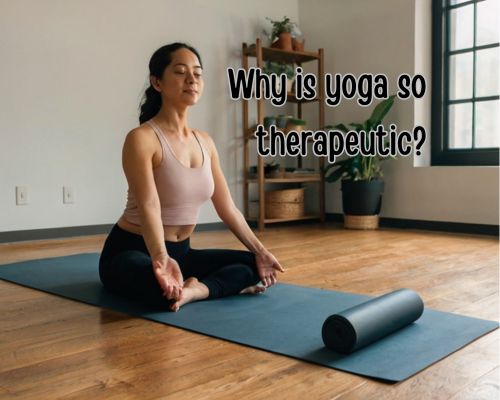
a woman doing therapeutic yoga in a studio

The Science Behind Yoga’s Therapeutic Benefits

Yoga’s therapeutic effects are rooted in its ability to combine movement, breath control (pranayama), and mindfulness. Scientific studies have demonstrated that yoga helps regulate the nervous system, reduces stress hormones like cortisol, and promotes neuroplasticity—the brain’s ability to reorganize itself and improve cognitive function.

The slow, deliberate movements in yoga activate the parasympathetic nervous system, shifting the body from a state of stress (fight or flight) to relaxation (rest and digest). This is why yoga is widely used in therapeutic settings for anxiety, depression, and chronic pain relief.

Physical Healing: How Yoga Supports the Body

Many people in Mornington turn to yoga to alleviate chronic pain, improve flexibility, and enhance mobility. Whether you’re dealing with lower back pain from long work hours or recovering from an injury, yoga can be an excellent low-impact exercise to strengthen muscles and joints.

Key Physical Benefits of Yoga:

  • Pain Relief: Poses like Child’s Pose and Downward Dog help release tension in the spine, neck, and shoulders.
  • Enhanced Circulation: Yoga increases blood flow, delivering more oxygen and nutrients to muscles and tissues.
  • Posture Improvement: Regular yoga practice helps counteract the effects of prolonged sitting, a common issue for office workers in Mornington.
  • Boosted Immunity: Certain poses stimulate the lymphatic system, helping the body detoxify more efficiently.

Mental and Emotional Well-Being: Yoga’s Role in Stress Management

Beyond its physical benefits, yoga is a powerful tool for mental clarity, emotional balance, and stress relief. Practicing mindfulness through yoga helps individuals process emotions and build resilience to life’s challenges.

How Yoga Improves Mental Health:

  • Reduces Anxiety and Depression: Studies show that yoga increases serotonin (the happiness hormone) levels while lowering cortisol.
  • Enhances Focus and Cognitive Function: Yoga improves memory and concentration by increasing gamma-aminobutyric acid (GABA), a neurotransmitter linked to reduced stress.
  • Encourages Mindfulness and Gratitude: The practice of being present helps individuals cultivate gratitude and inner peace.

Yoga and Holistic Wellness in Mornington, Australia

Mornington, with its relaxing coastal scenery and health-conscious community, is a perfect location to explore yoga. The region is home to various yoga studios, wellness retreats, and outdoor yoga sessions along Mornington Beach, making it easy to integrate yoga into your lifestyle.

Best Yoga Studios in Mornington:

  1. Mornington Yoga Collective – A welcoming studio offering Vinyasa, Hatha, and Yin yoga classes tailored to all skill levels.
  2. Soul Movement Yoga – Known for its holistic approach, this studio provides breathwork, meditation, and sound healing alongside traditional yoga.
  3. Bikram Yoga Mornington – If you prefer a more intense practice, hot yoga sessions here can improve flexibility and detoxification.

Outdoor Yoga: Embrace Nature’s Healing Energy

For those who enjoy outdoor activities, practicing beach yoga at Mills Beach or near Mornington Pier offers an unparalleled experience. The fresh sea air, combined with gentle movement, enhances relaxation and deepens the mind-body connection.

Yoga for Specific Health Conditions

1. Yoga for Chronic Pain Relief

Individuals in Mornington suffering from arthritis, fibromyalgia, or sciatica often turn to yoga as an alternative therapy. Gentle movements like Cat-Cow stretches and Cobra Pose improve spinal health and reduce discomfort.

2. Yoga for Better Sleep

For those experiencing insomnia or restless nights, yoga helps regulate sleep cycles. Yoga Nidra (yogic sleep) and restorative yoga sessions before bedtime can lead to deeper, more rejuvenating rest.

3. Yoga for Mental Health

With the increasing awareness of mental health challenges in Australia, yoga has been integrated into wellness programs for stress management, PTSD, and emotional resilience. Techniques like alternate nostril breathing (Nadi Shodhana) can instantly calm the nervous system.

Getting Started: How to Begin Your Yoga Journey in Mornington

If you’re new to yoga, starting with beginner-friendly classes or online guided sessions is the best approach. Most studios in Mornington offer introductory yoga packages, allowing you to explore different styles before committing to a regular practice.

Tips for Beginners:

  • Choose the Right Style: If you want relaxation, go for Yin or Restorative Yoga. If you need energy, Vinyasa or Power Yoga is ideal.
  • Invest in a Quality Yoga Mat: Comfort and grip make a big difference in your practice.
  • Stay Consistent: Even practicing 10–15 minutes a day can yield significant benefits over time.
  • Combine Yoga with Meditation: A few minutes of mindfulness before or after yoga enhances its therapeutic effects.

Conclusion

So, why is yoga so therapeutic? The answer lies in its ability to harmonize body, mind, and spirit. From reducing stress and chronic pain to enhancing flexibility and mental clarity, yoga is a proven pathway to well-being. If you’re in Mornington, Australia, exploring the vibrant local yoga community can further enrich your journey.

Ready to experience the healing power of yoga? Visit a local Mornington yoga studio, join a beach yoga class, or start your home practice today!

Related Post

Stillness and grace in a yoga pose

How Long Does a Hatha Yoga Session Usually Last? | Mornington Wellness GuideHow Long Does a Hatha Yoga Session Usually Last? | Mornington Wellness Guide

In the charming seaside town of Mornington, Australia, wellness practices like yoga have taken root in the community’s rhythm. Among the various yoga styles practiced here, Hatha Yoga holds a special place for its gentle pace, accessibility, and emphasis on the union of breath and movement. But for those new to the discipline, one common question arises: how long does a Hatha Yoga session usually last?

Stillness and grace in a yoga pose

Whether you’re exploring local studios along Main Street or considering a mindful start to your day on the Mornington Peninsula, understanding the typical structure and duration of a Hatha Yoga class can help you prepare mentally, physically, and practically. With Jane Benson of Bikram Yoga Mornington, we’ll explore the average session time, what to expect in a typical Hatha Yoga class, and why this timeless practice is such a great fit for Mornington residents.

What is Hatha Yoga?

To understand how long a Hatha Yoga class lasts, it’s useful to first grasp what Hatha Yoga involves. Originating in India, Hatha Yoga is one of the foundational branches of yoga. The term “Hatha” can be broken into two Sanskrit words: “ha” (sun) and “tha” (moon)—symbolising balance and duality. It’s not a singular style but a general category that includes most physical yoga forms.

Unlike fast-paced yoga styles such as Vinyasa or Power Yoga, Hatha Yoga is more deliberate and slower, focusing on static postures, controlled breathing (pranayama), and mindfulness. The goal isn’t just to stretch but to connect the body and mind through intentional movement and breath.

This makes Hatha Yoga particularly suited to beginners, older adults, or anyone looking to enhance flexibility, reduce stress, and build a calm inner state.

How Long Does a Hatha Yoga Session Usually Last?

The average Hatha Yoga session typically lasts between 60 to 90 minutes, depending on the setting and the experience level of participants. Let’s break that down further.

Beginner Classes – 60 Minutes
In Mornington’s wellness studios such as Yoga Vida Mornington or Hot Yoga Mornington, beginner-level Hatha Yoga classes generally run for about an hour. These sessions usually include:

  • A 5–10-minute breathing and centering practice
  • 40 minutes of gentle asana (posture) practice
  • A 10-minute guided relaxation (Savasana)

This format allows students to ease into the practice without feeling rushed or overwhelmed. It’s ideal for those with busy schedules, especially locals fitting yoga into their workday or those transitioning from other fitness routines into a slower, more mindful modality.

Intermediate to Advanced Classes – 75 to 90 Minutes
More advanced or holistic Hatha Yoga sessions in Mornington often last 75 to 90 minutes. These longer sessions may integrate deeper breathwork, chanting, meditation, and more advanced posture sequences. This format supports a fuller expression of the traditional Hatha principles, allowing time for students to move deeper into their physical and mental awareness.

Studios like Bikram Yoga Mornington in nearby Mount Eliza or holistic retreats near Red Hill frequently offer extended Hatha sessions for those seeking more immersive experiences. These sessions cater to residents and visitors alike who are looking for an in-depth exploration of body, breath, and mind.

Private or Therapeutic Hatha Yoga – Custom Duration
Private Hatha Yoga sessions in Mornington are growing in popularity, particularly for those recovering from injury, managing anxiety, or seeking a tailored experience. These can range from 45 minutes to 90 minutes depending on the individual’s needs and the yoga therapist’s approach.

Many private instructors in Mornington integrate Ayurvedic principles or pair yoga with physiotherapy-based movements. In such personalized settings, the duration is flexible, with the instructor adjusting the session to match the energy, goals, and physical capacity of the practitioner.

Does the Length of the Session Impact the Benefits?

While a longer Hatha Yoga session may allow for more comprehensive practice, shorter sessions—especially those done consistently—can still deliver meaningful benefits. Consistency, presence, and intention matter more than sheer duration.

For residents of Mornington, incorporating a 60-minute Hatha Yoga practice even twice a week can lead to improvements in flexibility, stress management, sleep quality, and emotional resilience. Whether it’s before a morning swim at Mothers Beach or after a stroll through the Main Street Market, carving out time for yoga can ground your day in calm.

Where Can You Practice Hatha Yoga in Mornington?

Mornington is home to a thriving wellness scene, and Hatha Yoga is accessible in several formats—studio classes, beach yoga sessions, community centres, and private home practices.

Some local places to explore include:

  • Yoga Vida Mornington: Known for their welcoming environment and all-levels Hatha classes, perfect for beginners.
  • Hot Yoga Mornington: While primarily focused on hot yoga styles, they offer warm Hatha sessions ideal for deep muscle relaxation.
  • Wellbeing Centre in Mornington: Offers private therapeutic yoga including Hatha sessions for stress relief and rehabilitation.

Many instructors also hold classes at community spaces or scenic locations like the Mornington Botanical Rose Gardens or Schnapper Point during warmer months, creating a naturally meditative environment to practice.

Tips for Attending Your First Hatha Yoga Class in Mornington

If you’re new to Hatha Yoga or just exploring it in Mornington, here are a few tips to enhance your experience:

  • Arrive early: Give yourself time to settle in and get familiar with the space.
  • Bring a mat and water: While most studios provide mats, having your own ensures comfort and hygiene.
  • Dress in layers: Mornington’s coastal weather can shift, so dressing in light layers helps you adapt comfortably.
  • Listen to your body: Hatha Yoga encourages mindfulness, so move at your own pace.
  • Ask questions: Don’t hesitate to ask instructors about session length, posture modifications, or breathing techniques.

Conclusion: Making Space for Stillness in Mornington

So, how long does a Hatha Yoga session usually last? Most commonly, between 60 and 90 minutes, depending on the level and depth of the class. For the health-conscious and nature-loving community in Mornington, Australia, Hatha Yoga offers more than just physical exercise—it’s a space to breathe deeply, move mindfully, and return to balance.

Whether you’re a Mornington local or visiting the Peninsula for a wellness retreat, there’s a Hatha Yoga experience waiting that aligns with your schedule, body, and lifestyle. A single hour of stillness may be just what you need to counter the rush of everyday life and embrace the slower, richer rhythm that Hatha Yoga—and Mornington—so beautifully offer.

Common Hip Flexor InjuriesCommon Hip Flexor Injuries

Hip flexor muscles are very important set of muscles that aids our everyday activities. As it is a group of muscles connected to your hip joint that allows you to bend at the waist as well as pull your knee toward your chest, these muscles can be sore, strained or even injured which results to painful sensations and can even limit the ability to live a normal life while they are damaged. There can be a lot of injuries you can sustain and this article will help you determine typical hip flexor injuries.

  1. Hip Flexor Strains

Hip flexor strains happen when the muscles in the hip flexors are strained or ripped and it is categorized based on the tears severity. Mike Westerdal wrote a program called Unlock Your Hip Flexors.

  • Grade I is mild stretching and microscopic tears in muscle fiber which cause some pain but hip function remains normal.
  • Grade II is moderate stretching and tears in muscle fiber which cause pain and makes the hip periodically give out while standing or walking.
  • Grade III is the most severe case where muscle fibers are completely torn or ruptured and the hip can no longer bear weight.

If you are feeling one or a few of the following, then it’s a sign that you have strained hip flexors.

  • Bruising
  • Pain in the front of the hip or in the groin
  • Pulling sensation in the front of the hip or in the groin
  • Pain, tenderness, and weakness when walking or climbing stairs
  • Swelling and inflammation
  • Pain when lifting the knee toward the chest
  • Muscle spasms
  • A limp while walking
  • A visible muscle deformity
  • Hip Flexor Tendonitis

Inflammation of any of the hip tendons, or dense cords that connect muscles to bone, is known as hip tendonitis. Overuse, like strains, is a frequent cause of hip tendonitis. Tendonitis also impacts the same population as strains—athletes who engage in sports such as running, swimming, cycling, and other sports that place repetitive stress on the hip. Tendon inflammation can also be caused by high-intensity interval training (HIIT) exercises and other sports that include a lot of kicking, squatting, and jumping.

Some signs and symptoms that you might feel are:

  • Heat and redness around the tendon
  • Pain in the hip, back, or leg
  • Stiffness
  • Visible knots surrounding the tendon
  • Swelling and inflammation
  • Pain that gradually develops over time

Since pain from an injury is rarely felt in any one region, injuries can be on the inner hip muscles, anterior compartment of the thigh, medial compartment of the thigh, or gluteal muscles may occur. This makes determining the cause of hip pain impossible. It is still advisable to consult a hip specialist to determine the source of pain and receive the right treatment.

The Benefits of Massage Therapy: Relaxation and Pain ReliefThe Benefits of Massage Therapy: Relaxation and Pain Relief

As you explore the benefits of massage therapy, you’ll learn how this practice can bring balance to your nervous system, calm your mind, and enhance your overall well-being. Whether you’re seeking relaxation, relief from chronic pain, or better sleep, massage offers a holistic approach to improving your health. Just like the diverse benefits of massage, luxury services can offer unique and tailored experiences to match your needs. If you’re looking for exclusive insights into wellness and luxury, be sure to check out Bonos y promociones en ElCotidianoEnLinea, where you can explore the latest offerings in luxury hospitality and beyond.

The Science Behind Massage Therapy

While the concept of massage therapy may seem straightforward, the physiological and psychological responses it triggers in the body are complex and multifaceted.

As you receive a massage, your body responds by releasing tension stored in your muscles. This relaxation response helps reduce muscle tension, which in turn improves blood circulation. Enhanced circulation promotes the delivery of oxygen and nutrients to your tissues, supporting the healing process.

Your nervous system also benefits from massage therapy, as it helps regulate the balance between the sympathetic and parasympathetic nervous systems. By stimulating the parasympathetic nervous system, massage therapy can calm your mind and body, leading to a state of relaxation and reduced stress.

Regular massage can have a profound impact on both physical and mental well-being.

Alleviating Chronic Pain Through Massage

Massage can be a valuable tool in your fight against chronic pain. This type of persistent discomfort can be debilitating, impacting every aspect of your daily life.

When you incorporate massage into your pain management routine, you’ll find that it not only helps alleviate physical tension but also promotes deep relaxation, which is essential for managing chronic pain.

Therapeutic touch stimulates the release of natural pain-relieving hormones, such as endorphins and opioids, which work to reduce your discomfort.

Regular massage sessions can also increase your range of motion, decrease inflammation, and break the cycle of pain and muscle spasms that often accompany chronic pain.

How Massage Impacts Sleep Quality

When struggling with poor sleep quality, incorporating massage therapy into your routine can be a game-changer.

Regular massage sessions help regulate your sleep patterns by reducing stress and promoting relaxation. As you receive a massage, your body releases serotonin, a neurotransmitter that calms your nervous system, making it easier to fall asleep and stay asleep.

Stress reduction is a key component of massage therapy, and by alleviating stress, you’ll find it easier to relax and prepare your body for restful sleep.

With consistent massage therapy, you can improve the quality of your sleep, waking up feeling refreshed, revitalized, and ready to take on the day.

Emotional Benefits of Regular Massage

As the physical benefits of massage therapy become more apparent, the emotional advantages of regular sessions can have a profound impact on your mental health.

You’ll experience stress reduction as massage stimulates the release of endorphins, also known as feel-good hormones, which help calm your nervous system.

Regular massage also facilitates emotional release, allowing you to process and let go of pent-up emotions. This release can lead to increased feelings of relaxation, reduced anxiety, and improved mood.

By incorporating massage into your self-care routine, you can develop greater emotional awareness and resilience, enabling you to better handle life’s challenges.

As a result, you’ll enjoy a more balanced and healthy emotional state, complementing the physical benefits of massage therapy.

Choosing the Right Type of Massage for Your Needs

How do you determine which massage technique is most suitable for your specific needs?

You’ll want to evaluate your goals, physical condition, and personal preferences.

If you’re seeking relaxation and stress relief, Swedish massage is a good choice. This gentle, flowing technique promotes calmness and eases muscle tension.

However, if you’re experiencing chronic pain or scar tissue, deep tissue massage may be more effective. This targeted approach focuses on realigning deeper layers of muscle and connective tissue to alleviate pain and stiffness.

By understanding your needs and the benefits of each technique, you can choose the best massage style for you.

Consult with a licensed therapist to evaluate the most suitable approach for your specific situation. They can help you create a personalized treatment plan.