BP Therapy Group Default What is the Queen of All Yoga Poses? Exploring the Ultimate Asana in Mornington, Australia

What is the Queen of All Yoga Poses? Exploring the Ultimate Asana in Mornington, Australia

Yoga is an ancient practice that integrates physical postures, breath control, and meditation to enhance overall well-being. Among the countless asanas (poses) practiced worldwide, one is often hailed as the ‘queen of all yoga poses.’ But what exactly is this revered pose, and why is it considered the pinnacle of yoga practice? With Jane Benson of Bikram Yoga Mornington, we explore the benefits, significance, and local relevance of this extraordinary asana, particularly for yoga enthusiasts in Mornington, Australia.
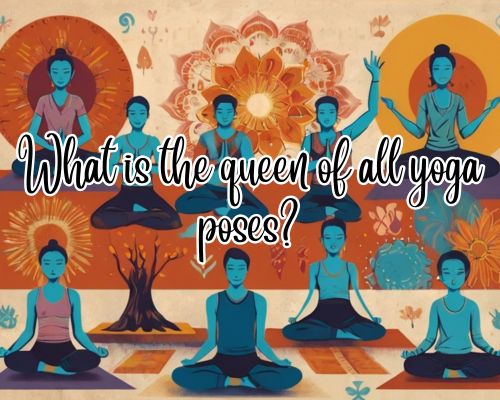
a picture with 12 yoga poses

Understanding the Queen of All Yoga Poses

The pose commonly referred to as the ‘queen’ of yoga postures is Salamba Sarvangasana, or the Supported Shoulder Stand. This inversion pose is highly regarded for its numerous physiological and psychological benefits. Known for its ability to stimulate the endocrine system, improve circulation, and promote relaxation, Salamba Sarvangasana is a cornerstone of many yoga routines, from beginner to advanced levels.

Why Is It Called the Queen of Yoga Poses?

In yoga philosophy, Salamba Sarvangasana is often contrasted with Sirsasana (Headstand), which is called the ‘King of Yoga Poses.’ While Headstand strengthens the core and builds confidence, Shoulder Stand is gentler yet profoundly effective in balancing the body’s systems. Its benefits include:

  • Improved Blood Circulation – The inverted nature of this pose helps drain blood from the legs and re-oxygenates it, which enhances overall circulation.
  • Stimulated Thyroid and Parathyroid Glands – This pose exerts gentle pressure on the throat, stimulating these glands responsible for metabolism and calcium regulation.
  • Calms the Nervous System – The inversion effect induces a sense of calm and reduces stress and anxiety.
  • Boosts Digestion – Salamba Sarvangasana enhances digestive function by improving blood flow to the abdominal organs.
  • Strengthens the Upper Body – The shoulders, neck, and arms are engaged in supporting the posture, developing strength and stability over time.

Practicing the Queen of Yoga Poses in Mornington, Australia

Mornington, with its serene coastal setting and thriving wellness culture, is an ideal location for yoga practice. Whether you are a seasoned yogi or a beginner, practicing Salamba Sarvangasana in the tranquil surroundings of Mornington Peninsula National Park or by the calming waters of Mothers Beach can elevate your yoga experience.

Best Yoga Studios in Mornington for Learning Salamba Sarvangasana

If you’re looking for expert guidance on perfecting the queen of all yoga poses, these local yoga studios in Mornington offer specialized classes:

  1. Bala Yoga Mornington – Offers a variety of yoga styles, including Hatha and Iyengar, which emphasize alignment in Shoulder Stand.
  2. Bikram Yoga Mornington – A great option for those interested in heated classes that help improve flexibility and circulation.
  3. The Private Sea Wellness Studio – Provides personalized yoga sessions, ensuring safe and effective posture alignment.
  4. Revive Yoga and Wellness – Features small-group classes focusing on traditional asanas and their therapeutic benefits.

Step-by-Step Guide to Performing Salamba Sarvangasana

While this pose provides significant benefits, it is essential to approach it with proper technique to avoid strain or injury. Here’s a step-by-step guide:

  1. Preparation – Lie flat on your back on a yoga mat. Place your arms beside your body with palms facing down.
  2. Leg Lift – Slowly lift your legs upward until they form a 90-degree angle with the floor.
  3. Hip Lift – Engage your core muscles and use your hands to support your lower back as you lift your hips toward the ceiling.
  4. Alignment – Keep your legs straight and aligned with your torso. Your chin should tuck slightly toward your chest.
  5. Hold & Breathe – Stay in this position for 30 seconds to a minute, breathing deeply and steadily.
  6. Exit Safely – Lower your legs slowly, rolling your spine down one vertebra at a time.

Modifications and Precautions

While Salamba Sarvangasana is highly beneficial, it may not be suitable for everyone. Individuals with neck pain, high blood pressure, or heart conditions should consult a qualified yoga instructor before attempting this pose.

Modifications for Beginners:

  • Use a Yoga Block – Placing a block under your sacrum can provide additional support.
  • Wall Support – Practicing against a wall can help maintain stability.
  • Half Shoulder Stand – Instead of lifting fully, keep the legs bent at 90 degrees for a gentler inversion.

Integrating Salamba Sarvangasana into Your Yoga Routine

The best time to perform this pose is towards the end of your yoga session, as it promotes relaxation and prepares the body for Savasana (Corpse Pose). For a balanced routine, you can combine it with other essential poses such as:

  • Adho Mukha Svanasana (Downward Dog) – To warm up the shoulders and spine.
  • Bhujangasana (Cobra Pose) – To counterbalance the inversion.
  • Paschimottanasana (Seated Forward Bend) – To stretch the back and hamstrings post-inversion.

Conclusion: Embrace the Queen of Yoga Poses in Mornington

Salamba Sarvangasana, the queen of all yoga poses, is a transformative asana with profound health benefits. Whether you’re practicing at a Mornington yoga studio, enjoying a solo session by the Mornington Pier, or deepening your practice at a wellness retreat in Mt. Martha, this pose can be a cornerstone of your yoga journey. Remember to approach it with mindfulness, proper alignment, and guidance from experienced yoga instructors in Mornington. By incorporating this pose into your routine, you will unlock improved circulation, mental clarity, and overall well-being, making your yoga practice truly royal.
Related Post

Hearing Aids Adelaide: Rechargeable Hearing Aids AdelaideHearing Aids Adelaide: Rechargeable Hearing Aids Adelaide

Most hearing aid manufacturers now offer rechargeable models that use Lithium-Ion batteries. These benefits include convenience, a lower environmental impact and increased connectivity. Rechargeable hearing aids are also easier to handle than disposables.

They also provide a more convenient option for people who struggle to handle disposable batteries, such as those with dexterity issues or children. Rechargeable hearing aids require an overnight charge and should last all day. For more quality rechargeable hearing aids Adelaide, check this out.

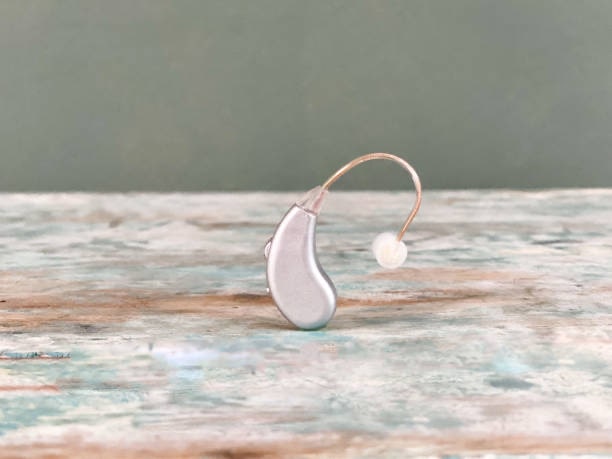
rechargeable hearing aids Adelaide

Convenience

One of the key reasons people choose rechargeable hearing aids is convenience. With these digital devices, the battery is ‘built in’ so it doesn’t need to be removed and replaced every few days – a process that can be difficult for patients with dexterity issues or arthritis.

A fully charged lithium-ion battery provides a full day’s worth of power, and you can simply plug your hearing aids into the charger each night, and they’re ready to go again the following day. This can also save you money and reduce environmental impact.

Rechargeable hearing aids with a high IP rating like those from HC Audiology are more resistant to dust and moisture, reducing maintenance issues. They’re also more environmentally conscious than traditional battery models, requiring you to dispose of dozens of disposable batteries yearly. These benefits make them popular for people who enjoy a busy lifestyle and want the latest hearing aid technology. Almost all hearing aid brands offer rechargeable models in their range of digital hearing aids. 

Connectivity

Rechargeable hearing aids in Adelaide are compatible with any Bluetooth device, making it easy to stream music, video calls and podcasts. They can also be connected to your phone to make hands-free calls. In addition, they are small enough to sit discreetly behind the ear for a discreet and comfortable fit. For more quality rechargeable hearing aids Adelaide, check this out. 

Unlike earlier rechargeable batteries, lithium-ion batteries offer superior energy density and capacity, yielding more than a full day of power for most users, even when paired with power-hungry Bluetooth devices. This consistent power output avoids the intermittent issues that plagued previous battery technologies, such as nickel metal hydride batteries.

However, they require an overnight charge – so forgetting to plug them in could result in missing out on your day’s hearing. It may be worth considering disposable batteries if you frequently forget to charge your rechargeable hearing aids at night. We will continue to update this page, so be sure to check back often!

Longevity

With rechargeable hearing aids, you can save on battery costs and enjoy greater convenience, as they remove the need for frequent replacement of disposable batteries. This has several advantages, especially for people who suffer from arthritis or dexterity issues, which make opening and handling small compartments difficult.

The lithium-ion batteries included with rechargeable hearing aids have a much longer lifespan than their disposable counterparts, meaning you can expect more use from your new purchase. Moreover, rechargeables help to reduce your carbon footprint, negating the need for disposables that are often recycled only after a few days or weeks of usage.

The small rechargeable hearing aids are discreet and easy to wear, making them an excellent choice for those who struggle with handling small items. For more quality rechargeable hearing aids Adelaide, check this out. 

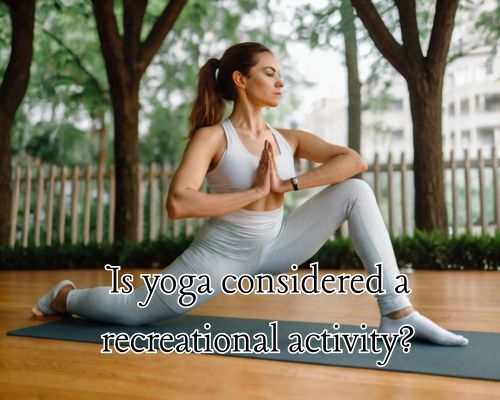
yoga as recreational activity

Is Yoga Considered a Recreational Activity? Insights from Mornington, AustraliaIs Yoga Considered a Recreational Activity? Insights from Mornington, Australia

Yoga has become a global phenomenon, practiced in studios, parks, homes, and wellness retreats from New York to New Delhi. But as its reach expands, one pertinent question arises—is yoga considered a recreational activity? In Mornington, Australia, this question holds practical relevance for those seeking wellness experiences that are both physically engaging and mentally refreshing.

yoga as recreational activity

To fully understand yoga’s role within the recreational sphere, it’s essential to explore its modern interpretations, health benefits, and community integration—especially in scenic locales like the Mornington Peninsula, where wellness culture is thriving.

Understanding Recreational Activities in Modern Wellness Culture

A recreational activity is broadly defined as any activity done for enjoyment, relaxation, and personal enrichment during one’s free time. These can include walking, dancing, swimming, and increasingly, mind-body disciplines like yoga and tai chi.

Yoga, in this sense, fits perfectly within this definition. It is non-competitive, often performed in a social or community setting, enhances mental clarity, and provides physical exercise—key hallmarks of recreational therapy and leisure activities.

In Mornington, recreational activities are an integral part of the lifestyle, driven by the region’s beautiful coastal backdrop, community parks, and strong local health culture. Yoga has found a natural home here, where health-conscious residents and tourists alike embrace recreational pursuits that improve holistic well-being.

Yoga in Mornington: More Than Just Exercise

With its calm beaches, nature reserves, and wellness hubs, Mornington offers the perfect backdrop for those seeking yoga as a means to unwind and reconnect. Local yoga studio have positioned yoga not merely as a fitness class but as a recreational experience—blending movement, mindfulness, and community.

These studios often promote programs under categories such as “mindful movement,” “recreational wellness,” or “restorative practices,” reinforcing yoga’s recreational nature. In this way, yoga in Mornington transcends traditional exercise routines, aligning more closely with leisure pursuits and recreational therapy.

The Dual Identity of Yoga: Recreational & Therapeutic

Yoga’s versatility makes it both a therapeutic practice and a recreational activity. In fact, in Australia’s recreational therapy framework, yoga is commonly incorporated into programs for stress reduction, anxiety management, and physical rehabilitation.

Recreational therapy, also known as therapeutic recreation, aims to use leisure activities to improve physical, emotional, and cognitive functioning. Yoga fits this model precisely—it improves mobility, encourages mindfulness, and enhances quality of life.

In local contexts like Mornington, yoga is often used in aged care, disability support, and community outreach programs—further solidifying its status as a valuable recreational offering.

The Psychological Benefits of Recreational Yoga

What sets yoga apart from other physical recreational activities like tennis or cycling is its emphasis on mental and emotional balance. Studies show that regular yoga practice reduces cortisol levels (the stress hormone), improves sleep quality, and eases symptoms of depression and anxiety.

Residents in Mornington are increasingly integrating yoga into their wellness routines to combat stress, especially given the high demand for work-life balance in semi-urban coastal communities. In this region, recreational yoga serves as a stress-relieving outlet that fits effortlessly into one’s daily or weekend schedule—whether at a beachfront sunrise session or a local community hall.

Community Engagement Through Yoga Events in Mornington

Mornington is home to various seasonal and community yoga events that combine recreation, socialization, and wellness. These include:

  • Beach yoga on Mothers Beach and Mills Beach, blending nature with mindful movement.
  • Outdoor yoga at Civic Reserve or The Briars, attracting families and wellness seekers.
  • Yoga festivals and pop-up classes during local wellness weekends or school holidays.

Such events not only showcase yoga as a recreational activity but also strengthen community ties, bringing together diverse groups under a shared wellness umbrella.

Yoga for Different Age Groups: Recreational Accessibility

One of the most recreationally inclusive aspects of yoga is its adaptability to all ages and fitness levels.

  • Children’s yoga classes in Mornington often involve games, storytelling, and basic postures, making it a fun recreational option for families.
  • Senior yoga programs offer chair yoga and gentle stretches to promote joint mobility and social interaction.
  • Prenatal yoga caters to expecting mothers, focusing on breathwork and relaxation.

This broad accessibility contributes to yoga’s widespread classification as a recreational activity in local councils, schools, and health programs throughout the Mornington Peninsula.

The Economic Impact: Yoga as a Recreational Industry

Let’s not overlook the economic footprint of yoga as a recreational industry in Mornington. From boutique studios and wellness retreats to yoga gear and café culture, the ripple effects of yoga contribute significantly to local business ecosystems.

Tourism is also impacted. Many visitors to Mornington are drawn to weekend yoga retreats, outdoor wellness classes, and spa-yoga combo experiences offered by local resorts. These packages often market yoga as a form of relaxation and leisure, underscoring its recreational role in tourism promotion and local business growth.

Local Government & Policy: Recreation Classification

Interestingly, local councils across Victoria, including the Mornington Peninsula Shire Council, categorize yoga under “health and recreation” services in their community programs and public class listings. This official classification gives yoga the same status as swimming, tai chi, and group fitness—a clear indication of how it’s embraced as a recreational pursuit at the civic level.

Furthermore, yoga is often included in grants or funding for community recreation projects, confirming its legitimacy as part of public recreational planning.

Final Word: So, Is Yoga a Recreational Activity?

Absolutely yes—yoga is not only considered a recreational activity, but it’s also one of the most inclusive, beneficial, and enriching options available today. Especially in Mornington, Australia, where wellness and lifestyle are deeply intertwined, yoga offers a perfect blend of physical activity, mental clarity, and community connection.

Whether you’re a local resident looking for an uplifting weekly routine or a visitor seeking a tranquil retreat, embracing yoga as a recreational activity in Mornington is a choice that aligns with both personal wellness and the region’s coastal rhythm.

Key Takeaways

  • Yoga fits the definition of a recreational activity: enjoyable, non-competitive, and enriching.
  • In Mornington, yoga is a community-centered wellness pursuit found in yoga studio, beaches, and public parks.
  • Local councils, therapists, and educators integrate yoga into recreational and therapeutic frameworks.
  • The physical, mental, and social benefits of yoga make it a top-tier recreational option for all age groups.
  • The recreational yoga scene in Mornington supports economic development, local tourism, and public health.
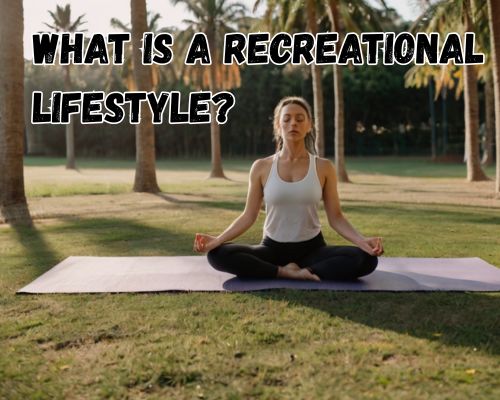
a woman doing a recreational activity

What is a Recreational Lifestyle? A Deep Dive into Mornington, Australia’s Thriving Outdoor CultureWhat is a Recreational Lifestyle? A Deep Dive into Mornington, Australia’s Thriving Outdoor Culture

In today’s fast-paced, digitally connected world, many are rediscovering the benefits of a recreational lifestyle. But what is a recreational lifestyle, really? And how is it shaping local communities like Mornington, Australia, where coastal charm and wellness-oriented living meet? This article explores the meaning of a recreational lifestyle, its core elements, and how it uniquely plays out in Mornington, one of Victoria’s most vibrant lifestyle destinations.

a woman doing a recreational activity

✅ Defining a Recreational Lifestyle

At its core, a recreational lifestyle is one that prioritizes activities done for enjoyment, leisure, and wellbeing rather than necessity or obligation. This can include everything from outdoor sports and creative hobbies to community events and wellness pursuits. It’s a holistic approach to living that values work-life balance, physical health, mental wellbeing, and social connection.

Unlike a purely sedentary or work-centered life, a recreational lifestyle integrates purposeful leisure—deliberate time set aside to engage in joyful, energizing, or restorative activities.

Key Pillars of a Recreational Lifestyle:

  • Physical Activity (e.g., hiking, yoga, surfing)
  • Social Engagement (e.g., group sports, festivals, hobby clubs)
  • Creative Pursuits (e.g., painting, music, crafting)
  • Mindfulness Practices (e.g., meditation, nature walks)
  • Community Involvement (e.g., volunteering, markets, beach clean-ups)

🏖️ Mornington, Australia: A Natural Playground for Recreational Living

Located just over an hour southeast of Melbourne, Mornington is a seaside haven perched on the shores of Port Phillip Bay. This coastal town is renowned not only for its scenic beaches and vineyard-dotted hills but also for fostering a strong culture of recreation and wellbeing.

If there’s a place in Australia that lives and breathes the recreational lifestyle, Mornington is it.

Why Mornington Is Ideal for Recreational Living:

  • Beaches like Mothers Beach and Fisherman’s Beach offer kayaking, paddleboarding, and tranquil walks.
  • Mornington Peninsula National Park attracts bushwalkers and wildlife lovers alike.
  • Local wineries, such as Montalto and T’Gallant, blend leisure with gastronomy.
  • Fitness groups andyoga studio are abundant, encouraging social health habits.
  • Weekend markets and community festivals promote local culture and interaction.

From recreational yoga at the beach to wellness retreats and hiking the Two Bays Walking Track, the peninsula provides countless avenues to live recreationally while remaining socially and environmentally connected.

🎯 SEO Insight: Why People Search “What is a Recreational Lifestyle?”

Search interest in “what is a recreational lifestyle” typically comes from:

  • Health-conscious individuals exploring life changes
  • Urban dwellers looking to relocate to lifestyle-rich areas like Mornington
  • Professionals facing burnout
  • Retirees planning active golden years
  • Tourists seeking lifestyle-oriented destinations

Integrating keywords such as recreation, active lifestyle, coastal living, wellness, Mornington Peninsula, outdoor activities, and Victoria travel enhances the SEO strength of this content while also enriching user intent alignment.

🧠 The Psychology Behind Recreation: More Than Just Hobbies

A recreational lifestyle isn’t just about physical activity; it’s deeply connected to mental health. Studies from Australian health bodies have shown that leisure activities can reduce anxiety, boost serotonin levels, and improve overall life satisfaction.

Psychological Benefits:

  • Lower cortisol (stress hormone) levels
  • Improved cognitive function
  • Enhanced emotional regulation
  • Higher levels of dopamine from joyful experiences
  • Better sleep quality

This is especially relevant in Mornington, where mindfulness practices like sunrise yoga, eco-therapy, and cold water swimming have become part of the cultural norm. Visit yoga studio for more.

🏄 Types of Recreational Activities Popular in Mornington

The region’s geography and community orientation shape a rich variety of LSI-relevant recreational options:

Activity TypeExamples in Mornington
Outdoor AdventureSurfing at Mornington Back Beach, mountain biking in Arthurs Seat
Water SportsStand-up paddleboarding (SUP), fishing charters, snorkelling in Rye
Mindful MovementBeach yoga, Tai Chi at Civic Reserve, meditation at wellness retreats
Creative ExpressionPottery workshops, local art galleries, photography walks
Social RecreationSunday markets, wine tasting tours, Peninsula Hot Springs events

By embedding these experiences into daily life, Mornington locals model what it means to adopt a truly recreational lifestyle.

🛠️ Building a Recreational Lifestyle: Practical Tips

Whether you’re a Mornington local or planning to move to the peninsula, here’s how you can begin to shift toward a recreational way of living:

  1. Schedule It: Treat leisure time as essential as work or errands.
  2. Start Small: Pick one or two activities that interest you—surfing, hiking, painting.
  3. Socialize It: Join a club, meetup group, or class to build connection and consistency.
  4. Make It Local: Attend Mornington-based events, support local markets, volunteer for causes.
  5. Track Your Mood: Notice how different recreational activities affect your energy and mindset.

Remember: Recreation is not escape—it’s integration.

🌍 Local Impact: Recreation and Community Wellness in Mornington

Local governments and organizations across the Mornington Peninsula are also championing this movement. The Mornington Peninsula Shire regularly runs community wellbeing programs, recreation facility upgrades, and nature conservation projects that align with recreational values.

Some initiatives worth noting:

  • Healthy Peninsula Strategy: Focused on active aging and youth engagement.
  • Mornington Life Activities Club: Encouraging seniors to stay physically and socially active.
  • Green Wedge Protection Plan: Preserving recreational open space for future generations.

This collective investment in recreation-as-lifestyle continues to shape Mornington as a model town for wellbeing-focused living in Australia.

🌟 Final Thoughts: Why a Recreational Lifestyle Is More Than a Trend

So, what is a recreational lifestyle? It’s a conscious decision to prioritize living well over merely getting by. In places like Mornington, Australia, it’s more than a buzzword—it’s a way of life.

Whether you’re sipping a cabernet at a local winery, walking your dog along the Esplanade, or taking part in a community yoga session, every small act of recreation builds toward a life that’s more joyful, balanced, and sustainable.

A recreational lifestyle invites you to live deliberately, with your well-being at the centre. In Mornington, the environment, the community, and the culture are already waiting to support that journey.