
BP Therapy Group Default Does Yoga Tone Your Body? The Truth Behind Yoga’s Effects on Muscle Definition

Does Yoga Tone Your Body? The Truth Behind Yoga’s Effects on Muscle Definition

Yoga has been gaining popularity as a form of exercise that not only promotes relaxation and flexibility but also helps build strength and tone the body. Jane Benson of Bikram Yoga Mornington said “If you’re wondering whether yoga can actually help you achieve a toned physique, the answer is yes. Yoga can help tone your body, but it depends on how you practice it and what your goals are.”

Does yoga tone your body?

Yoga is a great way to build strength and muscle tone, especially in the core, arms, and legs. Practicing yoga regularly can help you develop lean muscle mass, which can give your body a more toned appearance. In addition, yoga can help improve your posture and balance, which can also contribute to a more toned and sculpted look.

While yoga can help tone your body, it’s important to keep in mind that it’s not a one-size-fits-all solution. The type of yoga you practice, the intensity of your practice, and your overall fitness level can all impact how much muscle tone you’re able to achieve.

So, if you’re looking to use yoga to tone your body, it’s important to find a yoga practice that works for you and to be consistent in your practice. It is better to go to an expert in Bikram Yoga Mornington for the proper yoga execution.

Physical Benefits of Yoga

Yoga is a popular form of exercise that can provide numerous physical benefits. Here are some of the ways that yoga can help tone your body:
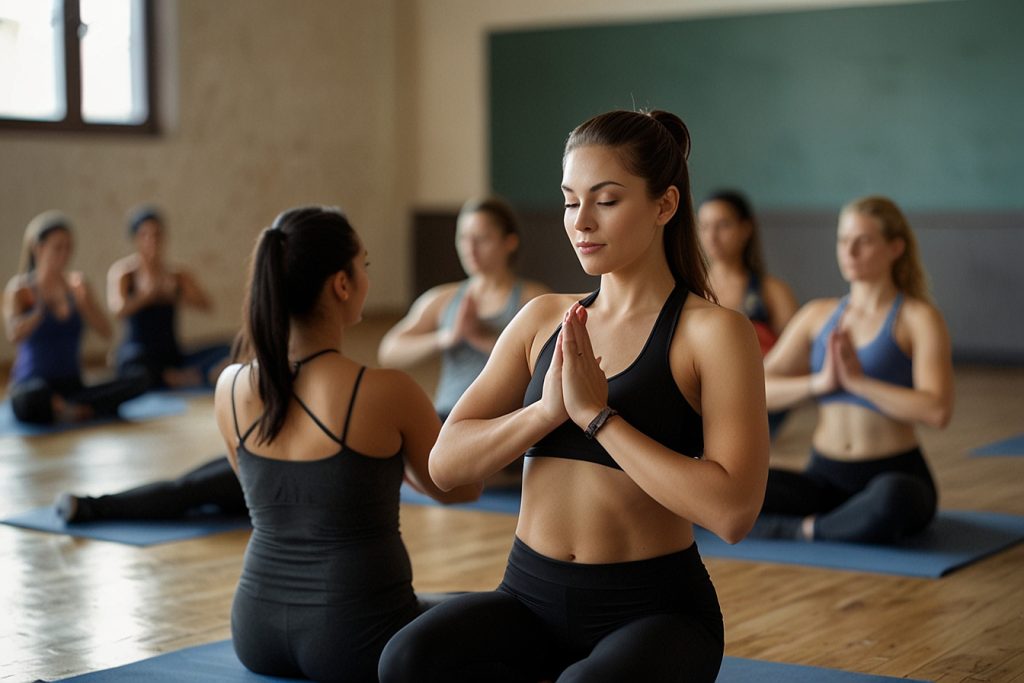
Bikram yoga for toning benefit.

Enhancing Muscle Tone

Yoga poses can help you build lean muscle mass and tone your muscles. Poses such as plank pose, chaturanga, bridge pose, and boat pose can all help to strengthen and tone your muscles. Regular yoga practice can also help you maintain your muscle tone and prevent muscle loss.

Improving Balance and Flexibility

Yoga can help improve your balance and flexibility, which can also contribute to a more toned body. Many yoga poses require you to balance on one leg or hold a pose for an extended period of time, which can help improve your balance and stability. Improved flexibility can also help you move more freely and perform exercises with better form.

Boosting Strength and Endurance

Yoga can also help you build strength and endurance. While yoga may not be as intense as traditional strength training, it can still help you build muscle and improve your overall fitness. Regular yoga practice can help you build strength in your legs, core, and upper body, which can contribute to a more toned physique. Additionally, yoga can help improve your endurance, allowing you to perform exercises for longer periods of time.

Holistic Impact on Health

Yoga is a holistic practice that has a positive impact on your overall health. It is not just a form of exercise, but a way of life that encompasses physical, mental, and spiritual well-being. Here are some of the ways yoga can improve your health:

Yoga and Mental Focus

Yoga is known to improve mental focus and concentration. The practice of yoga involves focusing on your breath and being mindful of your body movements. This helps to calm your mind and improve your ability to concentrate. Regular yoga practice can also improve cognitive function and memory.

Diet and Lifestyle Factors

Yoga encourages a healthy diet and lifestyle. A balanced diet that includes protein, healthy fats, and complex carbohydrates is essential for a healthy body. Yoga also promotes mindful eating, which means eating slowly and being aware of the food you are consuming. This can help with weight loss and reduce the risk of overeating.

Consistency and Long-Term Effects

Consistency is key when it comes to reaping the benefits of yoga. Regular practice can lead to long-term effects such as reduced stress, better sleep, and improved overall well-being.

A serene yoga mat with a peaceful backdrop of nature, showing a sense of calm and tranquility

It is important to make yoga a part of your daily routine to see the full benefits.

In conclusion, yoga is a holistic practice that can have a positive impact on your overall health. By improving mental focus, promoting a healthy diet and lifestyle, and encouraging consistency, yoga can help you achieve a healthier and happier life.

Related Post

From Misunderstood Signals to Meaningful ConnectionsFrom Misunderstood Signals to Meaningful Connections

In the bustling world of London’s dating scene, a simple, casual gesture can carry a weight of misunderstanding. A situationship, by its very nature, is a hotbed for misinterpreted signals, where what one person sees as playful flirtation, another might interpret as a sign of something more serious. This ambiguity often leads to miscommunication and emotional turmoil, making it difficult to build a lasting, meaningful connection according to  https://remi-portrait.com/.

One of the most common pitfalls is the fear of rejection. Many people in situationships worry that expressing their true desires might scare the other person away, so they avoid “the talk” altogether. This avoidance creates an invisible barrier to open dialogue and leaves both individuals in a state of confusion. The silence speaks volumes, but often in a language that is easily misinterpreted according to  https://needlycare.com/.

So, how can you move from a place of confusion to a state of clarity? The answer lies in proactive and honest communication. Instead of playing the guessing game, be upfront about your intentions from the start. This might sound daunting, but being honest can actually alleviate the fear of rejection. When both people share their desires candidly, it sets the stage for trust and understanding, regardless of where the relationship is headed.

Another effective strategy is to have open discussions about boundaries and desires. This creates a framework where feelings can be expressed comfortably without fear of judgment. For example, if you’re not comfortable with certain physical gestures or emotional expectations, communicating this clearly prevents misunderstandings from brewing.

Finally, consider scheduling regular check-ins. These don’t have to be formal, sit-down meetings. They can be casual conversations over a coffee or a walk through one of London’s beautiful parks. These check-ins serve as checkpoints to see where both of you stand emotionally, helping to uncover any brewing misunderstandings before they turn into larger issues.

Embracing vulnerability and confronting difficult conversations are key. By doing so, you can transform a situationship from a source of anxiety into an opportunity for growth and genuine connection. It’s about finding clarity and peace of mind, whether you decide to part ways or build something more substantial.

Level Up Your Love: Why Adventures Are the Secret Ingredient to a Thriving RelationshipLevel Up Your Love: Why Adventures Are the Secret Ingredient to a Thriving Relationship

We all crave adventure in our lives, that spark of excitement that jolts us out of the mundane. But what if the greatest adventure of all lies not in scaling Mount Everest or trekking through the Amazon, but in the journey we embark on with our partners? Planning regular adventures, big or small, can be the secret ingredient to a thriving, passionate relationship. It’s about stepping outside your comfort zone together, creating shared memories, and rediscovering the joy of connection.

Think beyond the typical dinner-and-a-movie date night. Imagine a weekend getaway exploring a quaint, unknown town, a spontaneous road trip with no set destination, or even a challenging hike in a local park. These shared experiences, away from the familiar comforts of home, inject a dose of excitement and novelty into your relationship. They provide a canvas for you and your partner to paint new memories, strengthening your bond in the process according to https://postmaniac.com/.

Why are adventures so crucial for couples? Firstly, they disrupt routine. Life often settles into a comfortable rhythm, which, while safe and predictable, can sometimes dull the spark of romance. Adventures shake things up, offering a refreshing break from the everyday and reminding you of the exciting, dynamic person you fell in love with. Remember the early days of your relationship, the thrill of getting to know each other, the butterflies in your stomach? Adventures can rekindle that magic, allowing you to see your partner in a new light and appreciate their strengths and resilience in different situations.

Secondly, adventures foster a sense of shared accomplishment. Whether it’s conquering a challenging hike, navigating a foreign city, or simply trying a new cuisine together, overcoming obstacles as a team strengthens your bond. Each shared victory, no matter how small, becomes a testament to your teamwork and resilience as a couple. These experiences create a shared history, a collection of inside jokes and “remember when” stories that become the fabric of your relationship said in this article https://angelagallo.com/.

Science backs this up. Research published in the Journal of Personality and Social Psychology indicates that couples who engage in novel and exciting activities report higher levels of relationship satisfaction and intimacy. Shared adventures trigger the release of dopamine, a neurotransmitter associated with pleasure and reward, fostering feelings of closeness and connection.

But adventures don’t have to be grand, expensive expeditions. The beauty lies in the shared experience, the willingness to step outside your comfort zone together. It could be as simple as exploring a new neighborhood in your city, trying a cooking class together, or even taking a dance lesson. The key is to embrace the unfamiliar, to be open to new experiences, and to approach each adventure with a sense of playfulness and curiosity.

Here are a few ideas to inspire your next couple adventure:

  • Embrace the Great Outdoors: Hiking, camping, kayaking, rock climbing – the possibilities are endless! Nature provides the perfect backdrop for connection, allowing you to unplug from technology and reconnect with each other.
  • Become a Tourist in Your Own City: Explore your city with fresh eyes. Visit a museum you’ve never been to, take a walking tour, or discover hidden gems in your own neighborhood.
  • Plan a Themed Date Night: Spice things up with a themed date night. Try a murder mystery dinner, go bowling, or have a retro game night.
  • Learn Something New Together: Take a cooking class, learn a new language, or try a new sport. Learning together creates a sense of shared accomplishment and opens up new avenues for connection.
  • Volunteer for a Cause: Give back to your community by volunteering together. This is a rewarding way to connect with each other and make a difference in the world.

Remember, the most important ingredient for any adventure is a positive attitude and a willingness to embrace the unexpected. So, ditch the routine, pack your bags (or not!), and embark on your next adventure. Your relationship will thank you for it!

Lyme Disease: Understanding Symptoms, Causes, and Holistic Care OptionsLyme Disease: Understanding Symptoms, Causes, and Holistic Care Options

Lyme Disease is a bacterial infection spread primarily by the bite of infected black-legged ticks, also called deer ticks. It is most common in wooded or grassy areas, especially in the Northeast, Midwest, and Pacific Northwest regions. The illness is caused by the bacterium Borrelia burgdorferi and can affect multiple systems in the body, including the skin, joints, nervous system, and heart.

How Lyme Disease Begins

After a tick bite, the bacterium enters the bloodstream. The first sign in many cases is a circular rash that resembles a bull’s-eye, known as erythema migrans. This rash typically appears 3 to 30 days after the bite and may be warm to the touch, but not usually painful or itchy. Some people may never develop this rash, which makes early detection more difficult.

Symptoms of Lyme Disease

The early symptoms of Lyme Disease can be similar to the flu. These may include:

  • Fever
  • Chills
  • Headache
  • Fatigue
  • Muscle and joint aches
  • Swollen lymph nodes

As the disease progresses, additional symptoms may develop, such as:

  • Severe headaches and neck stiffness
  • More rashes on other areas of the body
  • Arthritis with severe joint pain and swelling
  • Facial drooping (Bell’s palsy)
  • Irregular heartbeat or palpitations
  • Dizziness or shortness of breath
  • Nerve pain or shooting pains in hands and feet
  • Memory problems or confusion

These symptoms can appear weeks or even months after the tick bite and may persist for a long time without treatment.

How Lyme Disease Is Diagnosed

Doctors often diagnose Lyme Disease based on physical symptoms, a history of possible exposure to ticks, and laboratory tests. Blood tests can check for antibodies to the bacteria, though they may not be accurate in the early stages. The most commonly used tests include the ELISA test followed by a Western blot test for confirmation.

Medical and Holistic Treatment Options

The standard treatment for Lyme Disease is a course of antibiotics, such as doxycycline or amoxicillin. Most people who receive treatment in the early stages recover quickly and completely. However, some individuals experience ongoing symptoms even after completing antibiotics. This is sometimes called post-treatment Lyme Disease syndrome.

Holistic approaches to care are often used alongside medical treatment. These strategies may include:

Nutritional Support

Anti-inflammatory diets, hydration, and gut-friendly foods help reduce stress on the immune system and support recovery. Some patients benefit from supplements such as omega-3 fatty acids, probiotics, and vitamins C and D.

Physical Therapy and Movement

Gentle movement helps maintain joint mobility and reduce stiffness, especially for those experiencing Lyme-related arthritis. Low-impact exercises like yoga or tai chi may improve circulation and energy.

Herbal Remedies

Some practitioners recommend natural antimicrobials like cat’s claw, Japanese knotweed, or andrographis. These herbs are thought to support the immune system and help reduce microbial activity.

Stress Reduction and Mental Health Care

Ongoing pain and fatigue can affect emotional well-being. Techniques like deep breathing, mindfulness, or talking with a licensed therapist may help patients better cope with symptoms and stress.

Detoxification Practices

Some people seek therapies that support the body’s natural detox systems, such as infrared saunas, dry brushing, or Epsom salt baths. These practices are often used to manage Herxheimer reactions, which are temporary symptom flares during treatment.

Lifestyle Changes for Better Symptom Management

Making small adjustments to daily routines can help people with Lyme Disease manage fatigue, pain, and cognitive challenges. These might include:

  • Prioritizing sleep and rest
  • Breaking tasks into smaller steps
  • Pacing activities to avoid symptom flare-ups
  • Staying hydrated throughout the day
  • Keeping a symptom journal to track changes

Support from friends, family, or online communities can also be valuable. Sharing experiences, tips, and encouragement can make it easier to stay motivated and informed.

Prevention Strategies

Avoiding tick bites is the most effective way to prevent Lyme Disease. Precautionary steps include:

  • Wearing long sleeves and pants when in wooded or grassy areas
  • Using insect repellent with DEET or picaridin
  • Checking for ticks after outdoor activities, especially on the scalp, underarms, and behind the knees
  • Removing ticks promptly with fine-tipped tweezers
  • Keeping lawns trimmed and clearing brush from around homes

In areas where Lyme Disease is common, awareness and early action are key to reducing risk and ensuring quick response if symptoms appear.