BP Therapy Group Default What Is the Healthiest Type of Yoga? A Guide for Yoga Enthusiasts in Mornington, Australia

What Is the Healthiest Type of Yoga? A Guide for Yoga Enthusiasts in Mornington, Australia

Yoga has become an integral part of wellness routines worldwide, offering benefits for the body, mind, and spirit. However, with so many different styles, it can be challenging to determine which is the healthiest. If you’re in Mornington, Australia, and looking for the best yoga practice to enhance your well-being, this guide explores the most beneficial yoga types and how to find the right practice for your health goals.
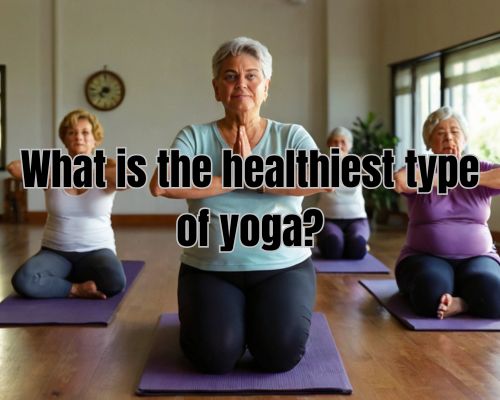
elderly doing yoga for their health

Understanding the Health Benefits of Yoga

Yoga is renowned for its ability to improve flexibility, enhance mental clarity, and promote relaxation. However, different yoga styles offer unique health benefits. Whether your focus is on stress reduction, cardiovascular health, flexibility, strength building, or rehabilitation, choosing the right type of yoga is key to achieving optimal wellness.

The Healthiest Types of Yoga for Different Needs

1. Hatha Yoga – Best for Beginners and General Well-being

Hatha yoga is an excellent starting point for beginners or those looking for a gentle yet effective practice. It focuses on slow movements, breathwork (pranayama), and foundational poses. This type of yoga helps improve posture, increase flexibility, and reduce stress, making it a great option for people of all ages in Mornington who want a balanced practice.

2. Vinyasa Yoga – Best for Cardiovascular Health

Vinyasa yoga, also known as flow yoga, incorporates continuous movements synchronized with breath. This practice helps increase heart rate, endurance, and lung capacity. If you’re looking to stay active in Mornington’s fitness scene, Vinyasa yoga is ideal for burning calories, improving circulation, and enhancing cardiovascular health.

3. Yin Yoga – Best for Joint Health and Flexibility

If you suffer from stiffness, joint pain, or chronic tension, Yin yoga may be the healthiest option. This slow, meditative practice involves holding poses for several minutes, allowing for a deep release in the connective tissues and fascia. This is particularly beneficial for residents in Mornington who lead an active outdoor lifestyle, such as surfers or hikers who need to support joint mobility.

4. Bikram Yoga – Best for Detoxification and Endurance

Bikram yoga, commonly referred to as hot yoga, involves 26 structured poses performed in a heated room (around 40°C). Practicing Bikram yoga helps to flush out toxins, improve stamina, and enhance flexibility. However, given the high temperatures, it’s essential to stay hydrated, especially in the warm climate of Mornington Peninsula.

5. Ashtanga Yoga – Best for Strength and Discipline

Ashtanga yoga is a rigorous practice that follows a set sequence of poses and is excellent for building strength, endurance, and flexibility. It is particularly beneficial for individuals who thrive on structure and discipline. This style of yoga is popular among athletes and fitness enthusiasts in Mornington who seek a physically demanding workout that also incorporates mindfulness.

6. Restorative Yoga – Best for Stress Relief and Mental Health

Mental well-being is just as important as physical health, and restorative yoga is the ideal practice for those seeking deep relaxation. This style uses props such as bolsters, blankets, and blocks to support the body in passive poses, helping reduce stress, anxiety, and insomnia. Given the fast-paced nature of modern life, incorporating restorative yoga into your routine can help bring balance and tranquility.

Finding the Best Yoga Studio in Mornington

Mornington boasts a thriving wellness community with several yoga studios, retreats, and wellness centers. If you’re looking for a place to practice yoga, consider the following top-rated options:

  • Mornington Yoga Studio – Known for offering a variety of classes, from Hatha to Vinyasa.
  • Bikram Yoga Mornington – A great option for those interested in Bikram and hot yoga sessions.
  • The Light Centre Yoga – Specializing in Yin and restorative yoga for deep healing and relaxation.
  • Beachside Yoga & Wellness – Ideal for yoga enthusiasts who want to practice in a serene, oceanfront setting.

Additionally, many outdoor yoga sessions take place along Mornington Peninsula’s beaches and parks, providing the perfect setting for connecting with nature while reaping the health benefits of yoga.

How to Choose the Right Yoga Style for Your Health Goals

When selecting the healthiest yoga type for your needs, consider the following factors:

  • Your fitness level: If you’re a beginner, start with Hatha or Yin yoga before progressing to more intense styles like Ashtanga or Bikram.
  • Your health goals: For relaxation and stress relief, opt for restorative or Yin yoga. If you’re looking for strength and endurance, try Vinyasa or Ashtanga.
  • Personal preferences: Some individuals thrive in high-energy environments, making Vinyasa or Bikram yoga a better fit, while others prefer a meditative approach found in Yin or restorative yoga.

Conclusion

The healthiest type of yoga ultimately depends on your unique health needs and lifestyle. Whether you’re aiming for better flexibility, improved mental health, cardiovascular fitness, or overall well-being, there’s a yoga style that will support your goals. If you’re in Mornington, Australia, you’re in luck—this region offers some of the best yoga studios like Bikram Yoga Mornington and outdoor yoga experiences that cater to all levels and preferences.

Regardless of which style you choose, consistency is key. Regular yoga practice, combined with a healthy lifestyle, will help you achieve a balanced and vibrant life. So, roll out your mat, take a deep breath, and embrace the transformative power of yoga!

Related Post

Are You Aware Of The Options Available To Keep Staff Safe At Work?

Are You Aware Of The Options Available To Keep Staff Safe At WorkAre You Aware Of The Options Available To Keep Staff Safe At Work

In the next quarter, companies ought to be thinking about how they can best handle a return to the workplace with minimum risk of contracting covid.

For some workers it will be the first time they’ve been in the workplace for a substantial amount of time. They will understandably be worried about what sort of long lasting changes COVID-19 will have made to their daily work routine.

Supplying support to staff need to lower the risk of an outbreak whilst likewise improving their confidence about remaining in close quarters with their peers. Addressing any issues should also see that efficiency is optimal.

The market provides all sorts of coronavirus related screening which can be carried out simply and reliably at home and in the workplace.

The most popular option is the rapid lateral flow antigen test and is appropriate for individuals who do not have coronavirus symptoms. This includes a swab of the person’s throat and nose. This sample is inserted into a tube of fluid and then added to the test strip, which shows results within 30 minutes.

A PCR test recognizes an active infection in a comparable way by taking a nose and throat sample, which then goes to a dedicated lab for screening. Results are validated within two days and are accompanied with formal certification.

Antibody testing is a measure you can arrange to figure out which employees have had the infection. This test uses a finger prick technique to extract a blood sample and can provide results within 15 minutes. This can inspire confidence in your staff as they set about their life, understanding they may have developed an immunity to the virus (although research into this is ongoing).

For those who are yet to exhibit COVID-19 antibodies, regular temperature checks can offer some reassurance for workers and reduce the danger of an outbreak within the workplace.

Increasingly, companies are opting for services whereby the tests are provided and conducted on behalf of the organisation so that they can hit the ground running and go back to ‘business as usual’.

The more arrangements you put in place to protect and motivate confidence in your personnel, the more you show that health and wellbeing is important to your service.

According to a study reported on by the BBC, over 30% of workers are concerned about becoming infected with Covid at work. The study also exposed that the poorest paid are especially worried, and the least likely to speak up.

Personnel might gain from the option to speak with an occupational health specialist, who will examine each employees’ viability to go back to the workplace.

Organizations who come out the other side favorably will be those that make their employees’ health and wellness a priority, changing their offering so that it is suitable for the times.

This blog is brought to you by Medical, Health and Education Ltd, specialists in Covid-19 testing, alcohol and drug tests at home and in the workplace. Please visit mhe.ltd for additional information.

Why you should try PiezoWave Pain TreatmentWhy you should try PiezoWave Pain Treatment

Why You Should Try PiezoWave Pain Treatment

PiezoWave pain therapy is unlike any other pain treatment available since it does not need surgery, anesthesia, or downtime. Each treatment is altered to address the issues that the patient might be facing, which means that your pain will be addressed. Most pains are simply a result of the muscle being too stiff or if you’ve pulled a muscle, then the pain lingers on. As a consequence of which, the pain can radiate to the surrounding areas as well. Pittsburgh Pain Management is one such clinic where you can get this treatment done.

How PiezoWave Pain Treatment Works

The mechanical energy of myofascial acoustic compression treatment encourages and stimulates fibroblasts and growth factors, encouraging recuperation and enhancing cell metabolism and local blood supply to the injured area. The treatment is painless because it uses pressure sound waves rather than electric shocks. The good news is that PiezoWave Pain Treatment penetrates deeply into tissue, enabling recuperation that is impossible to achieve with hand adjustments.

During each session, 1000 to 2000 pulse waves will be administered over a ten-minute period to the region being treated. You’ll get the best results if you do five to six treatments at each location over the course of three to five days to allow for proper recuperation. PiezoWave Pain Treatment is thought to have the following benefits, which have been clinically proven:

a. Aid in the healing process.
b. Get rid of the discomfort.
c. Stimulate Substance-“washing P’s away” (a pain-producing chemical)
d. Collagen formation in the body should be increased.
e. Improved tissue metabolism as a result of increased microcirculation.
f. Assist in the dissolution of calcific fibroblasts
g. Muscle tension should be reduced.
h. Improved joints function and range of motion.

The majority of disorders need 6-10 sessions. Depending on tissue response and patient tolerance, treatments might be spaced five to 10 days apart. PiezoWave Pain Treatment has a very high success rate, according to studies from throughout the world. Patients have reported great outcomes in line with these criteria, and the majority of them benefit from just one treatment. Patients have had a lot of success with this treatment and the treatment is worth looking into, to fix your pain as well.

How Long It Takes

PiezoWave Pain Treatment takes roughly fifteen to twenty minutes each appointment. The therapist or team will send 2000 to 3000 pulse waves into the afflicted region being treated during the session. Approximately 2000 pulse waves are delivered over the course of five to 10 minutes. Three to five treatments are required. After receiving PiezoWave Pain Treatment, many patients report instant pain alleviation. They may, however, develop discomfort in the region within two to four hours. The discomfort is normally bearable, according to diverse clinical descriptions, and can last anywhere from a few hours to several days. If you have this pain, DO NOT apply ice to the region. An “inflammatory reaction” is one of the desired results of PiezoWave Pain Treatment. As a result, anti-inflammatory drugs (such as Advil, Ibuprofen, Aleve, Motrin, and others) are not advised. Many people say Tylenol has helped them feel better. You are free to take medicine as you see fit or according to your doctor’s advice. Without any treatment, the discomfort will go away in 4 to 24 hours.

For more information on how this treatment can help you, visit https://www.pittsburghpainmanagement.com.

a group of women doing hatha yoga

Is Hatha Yoga Harder than Vinyasa? Exploring Yoga StylesIs Hatha Yoga Harder than Vinyasa? Exploring Yoga Styles

Deciding between Hatha and Vinyasa yoga can be a challenge for many newcomers or those looking to switch up their practice.

Hatha yoga is generally considered easier for beginners due to its slower pace and focus on holding poses. This offers time for alignment and deeper stretch engagement. This style helps build a foundation of flexibility and stability without the fast transitions that might be overwhelming for some.

a group of women doing hatha yoga

On the other hand, Vinyasa yoga provides a dynamic experience with its fluid transitions and rhythm that tie breath to movement, often resulting in a more vigorous workout. This style can be more demanding physically, making it appealing to those who enjoy a challenge and wish to incorporate cardiovascular elements into their practice.

Both styles of yoga have their distinct characteristics and benefits, and the perceived difficulty can vary greatly depending on personal fitness goals and preferences.

Those considering starting yoga or switching styles may benefit from trying both types to see which aligns best with their personal objectives, see https://bikramyogamornington.com.au/.

Comparing Hatha Yoga and Vinyasa

Both Hatha Yoga and Vinyasa offer unique practices with distinctive characteristics.

While Hatha Yoga often focuses on holding poses and improving alignment, Vinyasa emphasises fluid movement and breath coordination.

Core Principles and Goals

Hatha Yoga is centred around balance and alignment. It involves practising poses (asanas) slowly and with precision, aiming to improve strength, flexibility, and mental focus. The goal is a heightened awareness of body and mind through steady postures and deep breathing.

Vinyasa, on the other hand, is dynamic, focusing on the synchronisation of breath with movement.

Flowing from one pose to the next, it aims to build heat and cardiovascular endurance. The emphasis is on mindful transitions and maintaining a continuous flow, promoting a meditative experience through movement.

Physical Intensity and Flow

Vinyasa yoga is generally more physically demanding due to its continuous flow and faster pace. It often serves as a cardiovascular workout, combining strength-building with fluid movement, making it ideal for those seeking an active practice.

On the other hand, Hatha Yoga emphasises slower, more deliberate movements. Poses are held for several breaths, which demands endurance and concentration.

This slower approach makes it accessible but challenging, as it focuses intensively on proper alignment rather than speed.

Suitability for Beginners and Experienced Practitioners

Hatha Yoga is typically more beginner-friendly. Its slower pace allows newcomers to learn foundational poses correctly, emphasising alignment and breath control. This careful practice helps build confidence and understanding of individual postures before moving to complex sequences.

Vinyasa, with its dynamic sequences, attracts those with some yoga experience. Beginners can still join but may need guidance to keep up with the faster transitions.

For seasoned practitioners, it provides a platform to explore advanced poses in a fluid, continuous manner, encouraging creativity and physical challenge. For more, see https://bikramyogamornington.com.au/.

Flexibility and Strength Development

Both styles enhance flexibility and strength, yet they approach these goals differently.

Hatha Yoga offers a methodical, slow-paced technique, focusing on holding poses longer to gently stretch muscles and improve flexibility over time.

Meanwhile, Vinyasa’s vigorous approach to sequences targets strength and flexibility simultaneously. Continuous movements and transitions strengthen muscles while enhancing flexibility through various postures. This style appeals to those wanting a more dynamic path to flexibility and strength, incorporating a full-body workout with each session.

Factors Influencing Difficulty Level

The difficulty level of Hatha and Vinyasa yoga can vary significantly based on individual capability, teaching styles, and commitment to practice.

Each of these elements plays a crucial role in determining how challenging these yoga forms may feel to a practitioner.

Individual Fitness and Flexibility

A person’s fitness level and flexibility greatly impact the perceived difficulty of both Hatha and Vinyasa yoga.

Those with higher levels of physical fitness may find Vinyasa yoga less demanding due to its dynamic, flow-based nature.

In contrast, Hatha yoga often requires slowing down and remaining in poses for extended periods. This can be challenging for individuals with limited flexibility, as they might struggle to maintain poses comfortably, making Hatha more difficult for them.

Someone with limited mobility may find both styles challenging in different ways. Practitioners should assess their fitness capabilities and choose the style that aligns appropriately with their body’s needs.

Instructor Teaching Style

An instructor’s approach to teaching can significantly influence the difficulty of the yoga practice.

A teacher who emphasises mindfulness and precision in alignment can make Hatha yoga more intensive due to increased pose-holding time and deeper work on posture. This deep focus can enhance physical and mental engagement.

Meanwhile, Vinyasa sessions led by a high-energy instructor could feel more physically demanding because of the quicker transitions and focus on maintaining a rhythmic flow.

The instructor’s energy, pace, and personal philosophy can shape the experience of the practice, making it feel easy or challenging.

Duration and Consistency of Practice

The amount of time and frequency with which one practices also contributes to the perceived difficulty level of both Hatha and Vinyasa yoga.

Regular practice generally makes postures and sequences feel more attainable and less strenuous over time.

Those new to yoga may initially find maintaining a consistent routine demanding as they adapt to new movements and techniques.

Over time, consistent engagement can lead to improved strength, stamina, and mental focus, reducing the perceived effort required.

Creating a regular practice schedule encourages gradual improvement, making it easier to manage both styles’ challenges, ultimately contributing to a less daunting experience.