BP Therapy Group Default Is Hatha Yoga Harder than Vinyasa? Exploring Yoga Styles

Is Hatha Yoga Harder than Vinyasa? Exploring Yoga Styles

Deciding between Hatha and Vinyasa yoga can be a challenge for many newcomers or those looking to switch up their practice.

Hatha yoga is generally considered easier for beginners due to its slower pace and focus on holding poses. This offers time for alignment and deeper stretch engagement. This style helps build a foundation of flexibility and stability without the fast transitions that might be overwhelming for some.

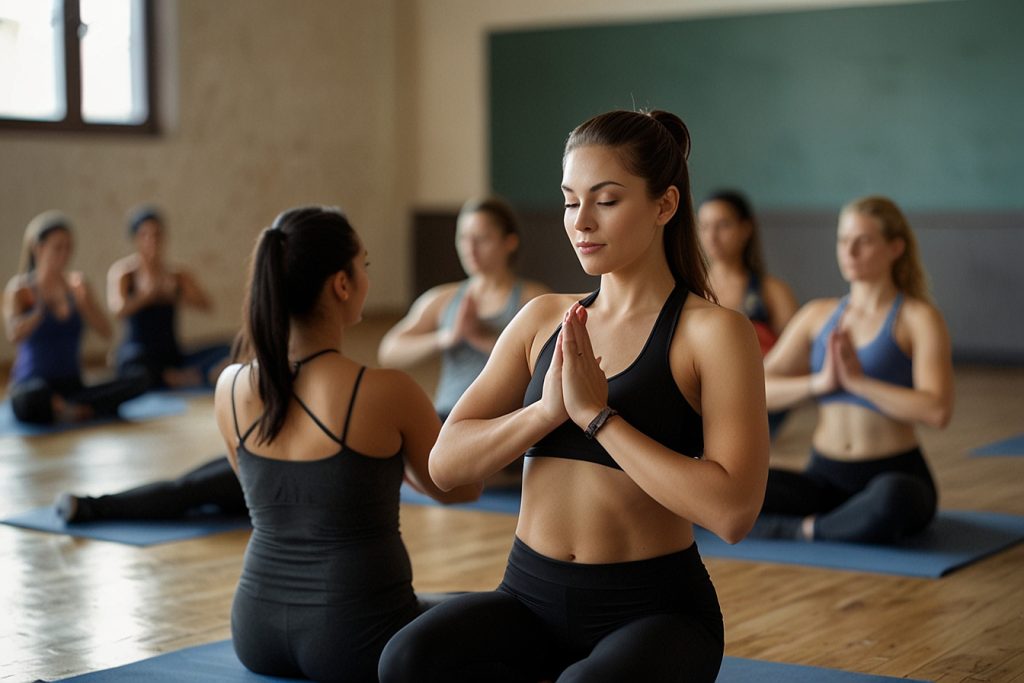
a group of women doing hatha yoga

On the other hand, Vinyasa yoga provides a dynamic experience with its fluid transitions and rhythm that tie breath to movement, often resulting in a more vigorous workout. This style can be more demanding physically, making it appealing to those who enjoy a challenge and wish to incorporate cardiovascular elements into their practice.

Both styles of yoga have their distinct characteristics and benefits, and the perceived difficulty can vary greatly depending on personal fitness goals and preferences.

Those considering starting yoga or switching styles may benefit from trying both types to see which aligns best with their personal objectives, see https://bikramyogamornington.com.au/.

Comparing Hatha Yoga and Vinyasa

Both Hatha Yoga and Vinyasa offer unique practices with distinctive characteristics.

While Hatha Yoga often focuses on holding poses and improving alignment, Vinyasa emphasises fluid movement and breath coordination.

Core Principles and Goals

Hatha Yoga is centred around balance and alignment. It involves practising poses (asanas) slowly and with precision, aiming to improve strength, flexibility, and mental focus. The goal is a heightened awareness of body and mind through steady postures and deep breathing.

Vinyasa, on the other hand, is dynamic, focusing on the synchronisation of breath with movement.

Flowing from one pose to the next, it aims to build heat and cardiovascular endurance. The emphasis is on mindful transitions and maintaining a continuous flow, promoting a meditative experience through movement.

Physical Intensity and Flow

Vinyasa yoga is generally more physically demanding due to its continuous flow and faster pace. It often serves as a cardiovascular workout, combining strength-building with fluid movement, making it ideal for those seeking an active practice.

On the other hand, Hatha Yoga emphasises slower, more deliberate movements. Poses are held for several breaths, which demands endurance and concentration.

This slower approach makes it accessible but challenging, as it focuses intensively on proper alignment rather than speed.

Suitability for Beginners and Experienced Practitioners

Hatha Yoga is typically more beginner-friendly. Its slower pace allows newcomers to learn foundational poses correctly, emphasising alignment and breath control. This careful practice helps build confidence and understanding of individual postures before moving to complex sequences.

Vinyasa, with its dynamic sequences, attracts those with some yoga experience. Beginners can still join but may need guidance to keep up with the faster transitions.

For seasoned practitioners, it provides a platform to explore advanced poses in a fluid, continuous manner, encouraging creativity and physical challenge. For more, see https://bikramyogamornington.com.au/.

Flexibility and Strength Development

Both styles enhance flexibility and strength, yet they approach these goals differently.

Hatha Yoga offers a methodical, slow-paced technique, focusing on holding poses longer to gently stretch muscles and improve flexibility over time.

Meanwhile, Vinyasa’s vigorous approach to sequences targets strength and flexibility simultaneously. Continuous movements and transitions strengthen muscles while enhancing flexibility through various postures. This style appeals to those wanting a more dynamic path to flexibility and strength, incorporating a full-body workout with each session.

Factors Influencing Difficulty Level

The difficulty level of Hatha and Vinyasa yoga can vary significantly based on individual capability, teaching styles, and commitment to practice.

Each of these elements plays a crucial role in determining how challenging these yoga forms may feel to a practitioner.

Individual Fitness and Flexibility

A person’s fitness level and flexibility greatly impact the perceived difficulty of both Hatha and Vinyasa yoga.

Those with higher levels of physical fitness may find Vinyasa yoga less demanding due to its dynamic, flow-based nature.

In contrast, Hatha yoga often requires slowing down and remaining in poses for extended periods. This can be challenging for individuals with limited flexibility, as they might struggle to maintain poses comfortably, making Hatha more difficult for them.

Someone with limited mobility may find both styles challenging in different ways. Practitioners should assess their fitness capabilities and choose the style that aligns appropriately with their body’s needs.

Instructor Teaching Style

An instructor’s approach to teaching can significantly influence the difficulty of the yoga practice.

A teacher who emphasises mindfulness and precision in alignment can make Hatha yoga more intensive due to increased pose-holding time and deeper work on posture. This deep focus can enhance physical and mental engagement.

Meanwhile, Vinyasa sessions led by a high-energy instructor could feel more physically demanding because of the quicker transitions and focus on maintaining a rhythmic flow.

The instructor’s energy, pace, and personal philosophy can shape the experience of the practice, making it feel easy or challenging.

Duration and Consistency of Practice

The amount of time and frequency with which one practices also contributes to the perceived difficulty level of both Hatha and Vinyasa yoga.

Regular practice generally makes postures and sequences feel more attainable and less strenuous over time.

Those new to yoga may initially find maintaining a consistent routine demanding as they adapt to new movements and techniques.

Over time, consistent engagement can lead to improved strength, stamina, and mental focus, reducing the perceived effort required.

Creating a regular practice schedule encourages gradual improvement, making it easier to manage both styles’ challenges, ultimately contributing to a less daunting experience.


Related Post

Bikram yoga session captured with woman in perfect pose.

Does Hot Yoga Help with Lymphatic Drainage? Exploring the Detox Benefits in Mornington, AustraliaDoes Hot Yoga Help with Lymphatic Drainage? Exploring the Detox Benefits in Mornington, Australia

Hot yoga has gained significant traction across wellness circles, and in places like Mornington, Australia, it’s more than just a trend—it’s a lifestyle. While many turn to hot yoga for its promise of weight loss, flexibility, or stress relief, another compelling benefit has entered the conversation: lymphatic drainage.

Bikram yoga session captured with woman in perfect pose.

But does hot yoga really support your lymphatic system, or is it just another wellness myth? With Jane Benson of Bikram Yoga Mornington, we explore the science, benefits, and local insights into how hot yoga may contribute to lymphatic detoxification, particularly in Mornington’s vibrant health-focused community.

🔍 Understanding the Lymphatic System: Your Body’s Cleanup Crew

Before we dive into how hot yoga interacts with the lymphatic system, it’s essential to understand what this system actually does.

The lymphatic system is a complex network of lymph nodes, vessels, and organs responsible for maintaining fluid balance, filtering toxins, and supporting immune function. Unlike the cardiovascular system, which uses the heart to pump blood, the lymphatic system relies on muscle movement, breathing, and external pressure to circulate lymph fluid.

This is where movement-based practices like hot yoga come in—by promoting muscle contractions, deep diaphragmatic breathing, and sweating, yoga may act as a natural stimulant for lymphatic flow.

🔥 What Is Hot Yoga?

Hot yoga typically refers to yoga performed in a heated room—often between 32°C to 40°C. One of the most popular styles is Bikram Yoga, which follows a strict 26-posture sequence in a 40°C room. However, studios across Mornington Peninsula offer various forms of hot yoga, including Vinyasa, Power Yoga, and Hot Yin, all performed in heated environments.

This heated element increases blood circulation, induces profuse sweating, and may enhance the metabolic rate. All these factors play a key role in activating detoxification pathways—including, potentially, the lymphatic system.

💧 Hot Yoga and Lymphatic Drainage: What the Science Says

While limited formal studies directly examine hot yoga and lymphatic drainage, a strong body of related research supports its physiological mechanisms:

1. Increased Circulation and Muscular Compression

Hot yoga involves dynamic movement and isometric holds, which compress and release muscle groups. This action mimics the massage-like effect that is beneficial for lymphatic movement, much like manual lymphatic drainage (MLD).

In poses like Twisting Chair (Parivrtta Utkatasana) or Revolved Triangle (Parivrtta Trikonasana), the body applies deep internal pressure that encourages the flow of lymph fluid through lymphatic vessels and nodes.

2. Sweating and Detoxification

One of the biggest draws of hot yoga is the intense sweating it induces. While sweat glands and lymph nodes are not directly connected, the overall detox process is synergistic. When you sweat, your body’s need to circulate fluids increases, which supports interstitial fluid movement—part of lymphatic regulation.

3. Deep Breathing and Diaphragmatic Massage

Breathwork is integral to any yoga practice. Techniques such as Ujjayi breath and diaphragmatic breathing help massage the thoracic duct, which is a key component of lymph drainage in the chest. This practice helps move lymph fluid from the lower body upward toward the heart.

🧘‍♀️ Local Perspective: Hot Yoga in Mornington, Australia

Mornington has rapidly become a hub for health-conscious individuals and wellness enthusiasts. With its proximity to Port Phillip Bay, clean coastal air, and a tight-knit yoga community, it’s an ideal location to explore lymphatic health through yoga.

Local studios such as:

…offer a range of classes tailored for detoxification and deep internal cleansing.

Many local instructors incorporate sequence designs that focus on twists, inversions, and core work—all essential movements for supporting lymphatic drainage.

🌿 Real-Life Benefits: What Practitioners in Mornington Are Saying

“Since starting hot yoga, my legs no longer feel heavy, and my energy levels have increased. I used to get swelling around my ankles after long days, and that’s completely gone.” — Samantha L., Mornington local

“I specifically do hot yoga for its detox benefits. I feel cleaner, lighter, and it really supports my lymphatic and immune systems. It’s like an internal rinse.” — John R., wellness coach from Mount Eliza

📈 Related Health Benefits That Support Lymphatic Function

Hot yoga provides secondary benefits that also feed into lymphatic health:

  • Improved circulation = More effective nutrient delivery and waste removal
  • Reduced inflammation = Less burden on the lymphatic and immune systems
  • Stress reduction = Lower cortisol levels can reduce inflammation and fluid retention
  • Better sleep quality = Allows the body’s detox systems to function optimally overnight

⚠️ Cautions and Considerations

While hot yoga can be highly beneficial, it’s important to approach it mindfully:

  • Stay hydrated: Lymph fluid is composed primarily of water. Sweating without replenishment can reduce its volume and effectiveness.
  • Start slowly: If you’re new to hot yoga, begin with one or two sessions per week to allow your body to adapt.
  • Listen to your body: Symptoms like dizziness, nausea, or fatigue can signal overexertion or electrolyte imbalance.

Those with medical conditions such as lymphoedema, heart issues, or autoimmune disorders should consult a healthcare professional before starting hot yoga.

✅ Tips to Maximise Lymphatic Benefits from Hot Yoga

To fully harness hot yoga’s potential for lymphatic support in Mornington, follow these tips:

  1. Add inversions – Postures like Legs-Up-the-Wall or Shoulder Stand encourage lymph movement against gravity.
  2. Incorporate twisting flows – Include rotational poses for abdominal massage and detox stimulation.
  3. Use dry brushing pre-class – This can stimulate surface lymph vessels for enhanced drainage.
  4. Hydrate with electrolytes – Coconut water, mineral salt, or a magnesium-rich drink supports both sweating and fluid balance.
  5. Cool down with contrast showers – Switching from warm to cold water can stimulate circulation and lymphatic response.

🧭 Final Thoughts: Is Hot Yoga the Key to Lymphatic Vitality?

So, does hot yoga help with lymphatic drainage? The short answer is: yes—it likely does, especially when practiced correctly and consistently.

Through a combination of intense movement, sustained breathing, deep twisting, and sweat-induced detoxification, hot yoga offers a powerful, natural method to support lymphatic circulation and immune resilience.

For residents of Mornington, Australia, where wellness culture, coastal living, and yoga studios flourish, hot yoga presents a deeply accessible and sustainable way to improve overall health—lymphatic system included.

PUBG MOBILE now: Spooky Soirée season, new collabs, and what to actually do this weekPUBG MOBILE now: Spooky Soirée season, new collabs, and what to actually do this week

PUBG MOBILE keeps a fast rhythm—new themed modes, small balance nudges, map touch-ups, and rotating events that quietly change how you should practice. If you only have a few hours each week, here’s a simple, gameplay-first plan to get more wins and more rewards without treating the game like a second job. (I’ll also drop a single bookmark you can keep handy for Royale Pass or event purchases, but the focus here is strategy and content.)

1) Weekly rhythm that actually works

Think of each week in three short blocks:

A) 20-minute warmup (unranked/event).
Two hot drops on a classic map to settle aim and movement. Focus on pre-aiming doorways, canceling reloads when you hear steps, and throwing a smoke before you loot a crate. These reps shake off rust without risking points.

B) 40–60 minutes ranked.
Play edges, not center. Take fights you start—third-party skirmishes when enemy utility is already spent. Avoid compound crosses without at least two smokes per player.

C) 15 minutes housekeeping.
Claim mission rewards, tune sensitivity/gyro, and snapshot settings. Small housekeeping keeps you from tinkering mid-match.

If you plan micro-sessions like this, you’ll see steadier RP progress and fewer “one more game” spirals.

2) Map notes that save lives

Erangel: Power positions rotate around hills and ridges near Pochinki, School, and Shelter lines. Work reverse slopes—peek from below the crest so you can drop instantly. Vehicles should park for exit, not cover; block doors only when you’re ready to hold.

Miramar: Hard cover is rare; never rotate without smoke. When crossing open ground, use a 2-1 split: two players drive past and anchor, one trails to re-smoke or punish chasers. SCAR-L and M16 become surprisingly reliable here thanks to visibility and range.

Sanhok/Livik (fast queues): Fight for tempo. Push while nades are cooking, not after. Shotguns and DMRs shine; pick one close-range bully and one mid-range controller for the squad.

3) Gun choices that fit the patch cadence

Balance changes tend to nudge recoil and fire rates rather than flip the meta. You’ll win more by mastering one close-range and one mid-range platform per season than by chasing every tweak.

  • Close-range: UZI or vector-style SMGs for tracking; an auto shotgun if you play stairs and tight compounds.
  • Mid-range: M416/SCAR-L for control; a DMR (SLR/Mini-14) when you’re holding long sightlines.

Build muscle memory: one hip-fire sens, one ADS sens, and gyro only if you actually practice it weekly.

4) Utility wins ranked—carry it like loot

Smokes are pace control. The player who smokes first decides whether a fight continues or resets. Carry at least three; make “drop one on knock” a reflex. Frags are for dislodging anchors; molotovs are for stairwells and revives. Flashbangs are underrated on Miramar balcony pushes—try them.

5) Event modes without the FOMO

Seasonal playlists (night lighting, limited gadgets, or spooky POIs) are more than cosmetics; they train adaptable spacing and info discipline. Use them to practice:

  • Sound isolation: fight with lower music and higher SFX; mark bearings for teammates.
  • Micro-rotates: five-second moves between pieces of cover while blinded or smoked.
  • Resource economy: entering hot areas with two smokes left is a choice, not an accident.

These modes are ideal for pass missions because lobbies move faster and fights reset more often.

(Side note: if you need UC for a mission track or ticket, keep one bookmark so you don’t tab-hop mid-queue—try the PUBG MOBILE top-up hub and use it only when necessary.)

6) Duo drills that translate to squads

If your four-stack feels chaotic, run duos to tighten timing. Practice a simple pattern:

  1. Player A cracks armor → calls one word (“push” or “plate”).
  2. Player B throws a pre-smoke and anchors the cross.
  3. If the knock doesn’t come, reposition 10 meters before the next peak.

This micro-language cuts hesitation more than any fancy strat talk.

7) Sensitivity and HUD: set, test, lock

Pick settings, test for one evening, and stop changing them. Screenshot your layout and sens. The enemy is inconsistency—tiny changes ruin muscle memory. Spend saved brainpower on timing and nades.

8) Endgame checklists (top 10 to chicken)

  • Top 10: stop looting. Every open inventory is a free headshot.
  • Last circles: play off audio. If you hear two squads fighting, third-party only when you have hard cover to stop at.
  • Final 1v1/1v2: smoke yourself, not the enemy; deny info first, then isolate.

9) A calm way to manage purchases (only if needed)

When a Royale Pass or event skin lines up with your play plan, buy right before you queue so UC doesn’t sit idle. Use a single entry like official UC options, confirm your ID, and be done in two minutes. Keep the receipt snapshot with your settings screenshot; both help support if anything goes sideways.

TL;DR

Schedule short, focused sessions; master one SMG and one mid-range rifle; carry smokes like they’re a second health bar; use event modes for fast reps; and keep purchases simple with this PUBG MOBILE page only when missions require it. Do that, and you’ll see steadier ranks, calmer endgames, and fewer “we had it and threw” moments—season after season.

Exploring Top Moving Services in Tacoma, Washington: A Guide to Finding the Best Options for Your NeedsExploring Top Moving Services in Tacoma, Washington: A Guide to Finding the Best Options for Your Needs

Safe Office Movers Near Me

When it comes to relocating, whether it’s moving your home or your office, finding reliable moving services in Tacoma, Washington, is crucial. With various options available, it can sometimes feel overwhelming to choose the right one for your needs. This article will explore the various services provided by movers in Tacoma, helping you make an informed decision about your upcoming move.

Why Choosing the Right Movers in Tacoma Matters

Relocating to a new home or office is one of life’s most stressful experiences. The right moving company can alleviate much of that stress, ensuring that your belongings are handled with care and that your transition is as smooth as possible. Tacoma, located in the heart of Washington State, offers a range of moving services to cater to the needs of both individuals and businesses. From full-service movers to specialized services for those with unique moving needs, there’s something for everyone in Tacoma’s moving landscape.

Full-Service Movers: A Stress-Free Solution

Full-service movers in Tacoma offer a comprehensive moving solution that handles every aspect of your move. From packing your belongings to loading, transporting, and unloading at your new location, these services take the hassle out of moving. This is particularly beneficial for those who may not have the time or energy to pack everything themselves or for people who are moving long distances and need professional assistance.

Professional Cheap Movers Near Me

Local and Long-Distance Movers

Whether you’re moving across the city or across the state, Tacoma has both local and long-distance movers to meet your needs. Local movers are ideal for those making short-distance moves, such as within the same neighborhood or city. These movers are often familiar with the area and can navigate traffic and local regulations easily.

Long-distance movers, on the other hand, specialize in moves that involve a greater distance, including across state lines. These movers are experienced in managing the logistics of a long journey, offering tracking systems and frequent updates so you always know where your belongings are.

Specialized Moving Services

Tacoma is home to moving companies that specialize in certain types of moves. If you have valuable or fragile items, such as artwork, antiques, or electronics, you may want to consider hiring a specialized mover. These companies offer tailored services designed to protect sensitive items, including custom crating, climate-controlled transport, and additional packing materials.

Another specialized service is for people moving their vehicles. Vehicle transportation companies in Tacoma offer a secure way to ship your car, motorcycle, or other vehicles to your new destination. Whether you’re moving locally or across the country, these services ensure that your vehicle arrives safely.

Packing and Unpacking Services

Packing and unpacking can be one of the most time-consuming and tedious parts of any move. Luckily, many moving companies in Tacoma offer packing and unpacking services to take the pressure off your shoulders. Professional packers are skilled at organizing and packing items securely to prevent damage. Whether you’re packing up an entire household or just a few delicate items, they ensure that everything is safely packed and ready for transport.

Unpacking services are equally useful, particularly if you are moving to a larger home or office. Movers will unpack your boxes and place your belongings in their proper locations, making the transition into your new space much easier.

Moving Storage Containers

Commercial Moving Services

Businesses in Tacoma also have unique moving needs, and many moving companies offer commercial moving services to accommodate these requirements. Commercial moves can be more complex, involving the relocation of office equipment, furniture, and even heavy machinery. Specialized movers ensure that everything is moved quickly and efficiently, minimizing downtime for your business.

From small office moves to large corporate relocations, Tacoma’s commercial moving services are designed to handle moves of all sizes. They also provide options for temporary storage, in case your new location isn’t ready by the time you need to vacate your old space.

Moving Storage Solutions

Sometimes, moving doesn’t happen all at once. You might need to store your belongings temporarily before they can be moved into your new home or office. In these cases, moving companies in Tacoma also offer storage solutions. Whether you need short-term storage during the transition or a long-term solution for your belongings, Tacoma movers offer both climate-controlled and standard storage options.

Conclusion

Choosing the right moving company in Tacoma involves considering several factors, including the size of your move, the distance, and any special services you may need. With various options available, it’s important to research and find the best fit for your situation. By considering your needs, from full-service moving to specialized services for fragile items or commercial moves, you can ensure a smooth and successful relocation. Tacoma’s professional movers are ready to help you through every step of your move, making it easier than ever to start your new chapter in this vibrant city.

Best Moving Companies