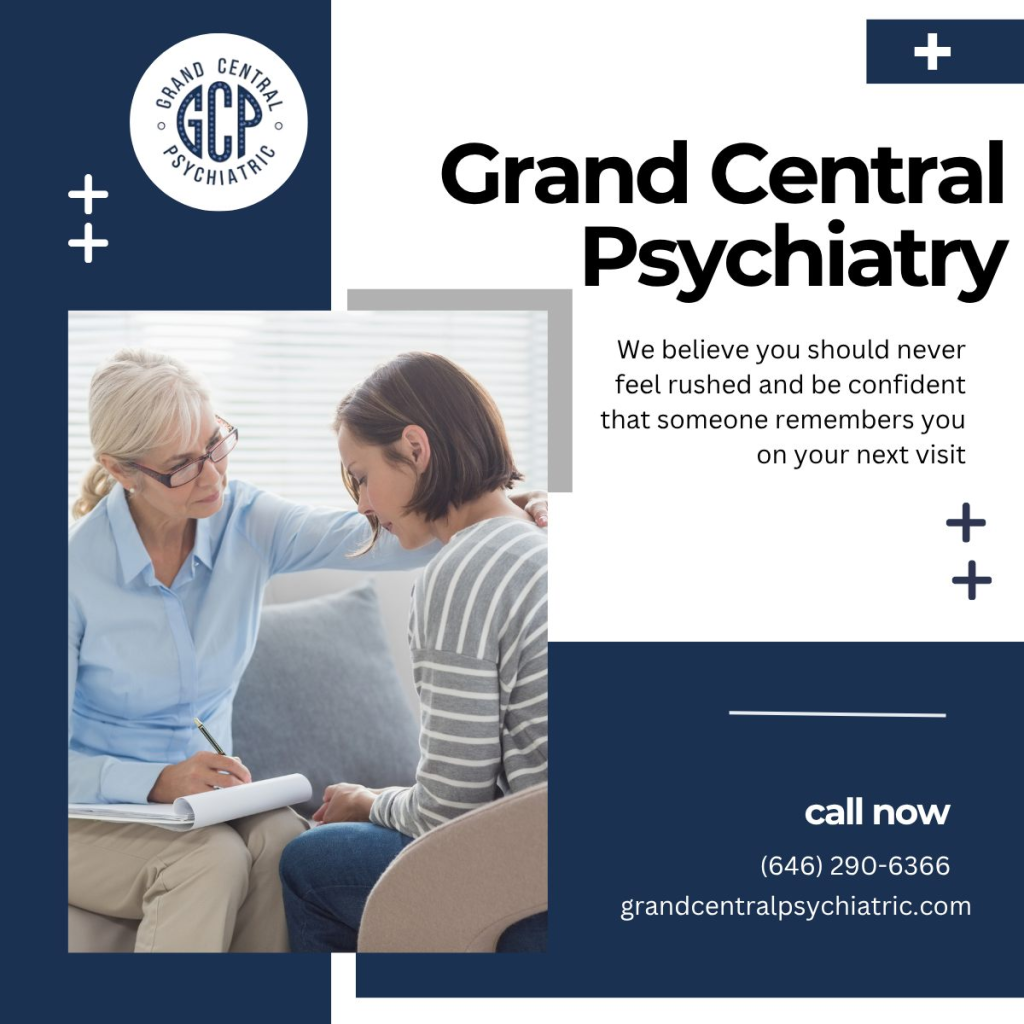
BP Therapy Group Default Do Psychiatrists in New York Offer Confidential and Judgment Free Mental Health Support?

Do Psychiatrists in New York Offer Confidential and Judgment Free Mental Health Support?

Seeking psychiatrists near me in New York often begins with concerns about privacy and compassion. Many people hesitate to start mental health care because they fear judgment or worry their personal information will not remain confidential. Psychiatry in New York is built on trust, respect, and evidence based care delivered by board certified specialists.

Adult psychiatric providers, psychiatric mental health nurse practitioners, and child and adolescent psychiatry experts create safe spaces for open communication. Whether you need help with anxiety disorders, bipolar disorder, ADHD, insomnia, OCD, or substance use challenges, modern mental health services provide confidential, personalized, judgment free support.

Understanding What Confidential Mental Health Care Really Means

Confidentiality is a core principle in psychiatry and in every form of patient care. A psychiatrist, a psychiatric mental health nurse practitioner, or any specialist involved in treatment must follow strict privacy laws that keep your information secure. Patients often search for psychiatrists near me because they want reassurance that their mental health history, psychiatric evaluations, psychotherapy notes, and psychiatric medications will be kept private.

Psychiatrists in New York protect patient information through encrypted systems, secure medical records, and ethical standards defined by the American Board of Psychiatry and Neurology. These rules apply in all outpatient settings, inpatient units, community mental health programs, and virtual psychiatry platforms. This level of protection allows patients to talk openly about symptoms, emotional stress, and personal events without fear of exposure.

Examples of how confidentiality is upheld include:

  • Your psychiatric evaluation details remain private unless you authorize disclosure.
  • Insurance receives only essential billing codes, not psychotherapy conversations.
  • Virtual psychiatry sessions follow the same state of New York privacy requirements as in office visits.
  • Only your designated psychiatric specialist can access your record.

When patients know their personal information is secure they are more likely to participate fully in mental health care and benefit from treatment.

Why Judgment Free Psychiatric Care Matters

Judgment free psychiatric care is essential for healing. A psychiatrist or psychologist who practices with compassion helps patients feel safe, respected, and understood. Many psychiatrists in New York receive training through programs such as the NYU school of medicine, the Icahn School of Medicine, and the school of medicine at Mount Sinai. These institutions emphasize empathy, cultural awareness, child and adolescent psychiatry, adult psychiatric and mental health treatment, and evidence based approaches.

Psychiatrists and psychiatric mental health professionals understand that mental health conditions are medical conditions. Anxiety disorders, bipolar disorder, depression, PTSD, ADHD, OCD, insomnia, and substance use challenges are not personal shortcomings. They are treatable psychiatric conditions that require professional support.

When psychiatric care is judgment free:

  • Patients are more honest about symptoms.
  • Psychotherapy becomes more productive.
  • Medication management is more accurate.
  • Psychiatric evaluations reflect the full picture.
  • Treatment plans become personalized and effective.

This approach to mental health helps patients move forward with confidence and reduces the stigma often associated with seeking help.

Key Services Psychiatrists Near You Provide

Psychiatrists and psychiatric nurses in New York offer a wide range of mental health services that support adults, adolescents, and children. Many psychiatrists specialize in ADHD, anxiety disorders, bipolar disorder, depression, OCD, grief, insomnia, and trauma related challenges. Some providers focus on adolescent psychiatry or child psychiatry, while others practice adult psychiatric and mental health treatment.

A psychiatric evaluation is often the first step. This includes a thorough review of symptoms, medical history, emotional patterns, and life experiences. The psychiatrist may recommend psychotherapy, cognitive behavioral therapy, psychiatric medications, or a combination of evidence based treatments.

Medication management plays a major role in psychiatry. Board certified psychiatric specialists monitor how medications affect mood, attention, sleep, and daily functioning. They adjust dosages, track progress, and help patients understand how each medication supports their mental health.

Common conditions treated include:

  • ADHD and related attention issues
  • Anxiety disorders
  • Bipolar disorder
  • Depression
  • OCD
  • Panic attacks
  • PTSD
  • Insomnia
  • Schizophrenia
  • Substance use challenges

Psychiatry provides structured care for adults and adolescents. Some patients begin with outpatient treatment, while others receive inpatient care or emergency psychiatry support before transitioning into routine visits.

How Virtual Psychiatry Protects Privacy and Comfort

Virtual psychiatry allows patients to connect with psychiatrists in New York without traveling across the city. This form of care is especially helpful for individuals balancing school, work, childcare, or health challenges. Online sessions follow strict confidentiality rules and provide the same access to psychiatric evaluations, psychotherapy discussions, medication management, and follow up visits.

Many patients find it easier to open up from the comfort of home. Virtual psychiatry also helps patients avoid missed appointments, which supports long term stability in mental health care. Whether someone receives outpatient treatment or continued care after an inpatient stay, virtual sessions make support more accessible.

What To Look For When Choosing Psychiatrists Near You

Choosing the right psychiatrist or psychiatric mental health nurse practitioner can influence your entire mental health journey. Many psychiatrists in New York have completed rigorous psychiatry residency or psychiatry fellowship programs and are board certified through the American Board of Psychiatry and Neurology. Strong providers offer both expertise and a compassionate approach to mental health.

When searching for psychiatrists near me consider the following:

  • Training in adult psychiatry, adolescent psychiatry, or child and adolescent psychiatry
  • Whether they are board certified or trained in psychiatric nursing
  • Experience in mental health care and psychotherapy
  • Use of evidence based treatment methods
  • Ability to personalize treatment to your needs
  • Acceptance of your insurance
  • Comfort level during the first evaluation
  • Experience with conditions like anxiety, ADHD, bipolar disorder, OCD, or insomnia
  • Support for psychiatric medications and medication management
  • Participation in community mental health resources

A strong team of psychiatrists can help patients receive consistent, effective treatment tailored to their needs.

Get Confidential Mental Health Support With Grand Central Psychiatry

If you want psychiatrists and psychiatric mental health professionals who provide compassionate, personalized care with full confidentiality, Grand Central Psychiatry is here to support you. We help patients across the New York City area with a wide variety of mental health conditions, and our team includes specialists trained in adolescent psychiatry, adult psychiatric care, community mental health, and comprehensive medication management. 

What We Treat: ADHD, anxiety, bipolar disorder, depression, schizophrenia, panic attacks, PTSD, OCD, grief, insomnia, and additional psychiatric conditions.

Grand Central Psychiatry is in network with many major insurance providers. Our staff helps verify your benefits so you can focus on healing. Begin your mental health journey with specialists dedicated to supporting you every step of the way.

Grand Central Psychiatric

285 Lexington Ave Suite 2A, Office 9, New York, NY 10016

(646) 290-6366

Related Post

The Benefits of Living Alone After Divorce When It Comes to EmpowermentThe Benefits of Living Alone After Divorce When It Comes to Empowerment

The experience of living alone after a divorce is not limited to a period of solitude; rather, it can be a period of tremendous personal empowerment. In the beginning, it could be difficult to adjust to the idea of making decisions without having to compromise with a spouse. Take into consideration, however, that you are no longer required to coordinate schedules or take into account the preferences of another individual. In its place, you are presented with the chance to rediscover and reimagine your life according to your own standards. As a result of this newly acquired liberty, you will have the opportunity to concentrate entirely on yourself, including your ambitions, objectives, and goals according to charlotteaction.org.

Imagine it as a blank canvas that is just waiting to be adorned with your unique touch. You have the liberty to redesign your living space in a manner that is completely in accordance with your preferences, to select pursuits and interests that offer you happiness, and to spend your time in ways that revitalize your spirit. This newly discovered independence is not seen as a burden, but rather as an invitation to take advantage of all the fantastic opportunities that life has to offer according to charlotte action website.

Additionally, living alone after a divorce is a great way to stimulate self-discovery. Separate from the setting of a relationship, it provides you with the opportunity to contemplate who you are as an individual for the first time. As you make your way through this process of self-discovery, you may find that you are discovering new areas of your personality, hobbies, or interests that were previously latent.

For instance, a person who has consistently put their partner’s interests ahead of their own during the course of their marriage may find that they have a passion for hiking or painting that they had not before explored. Not only does the process of self-discovery encourage personal development, but it also affords individuals the chance to create a more profound understanding and acceptance of themselves.

Living on one’s own after a divorce is like to setting off on an adventure; there will inevitably be unexpected turns, twists, and places that are unfamiliar to you. By embracing the freedom and chance to create the life you choose, however, you open yourself up to the possibility of experiencing enormous growth and fulfillment, just as you would with any other experience.

You can set the stage for an exciting path that is full of self-discovery, empowerment, and unlimited potential for redefining what happiness means to you on an individual level by embracing your newly discovered independence and using it as a springboard for personal growth.

The Heart of Old-School London RomanceThe Heart of Old-School London Romance

When people think of a modern relationship in the digital age, they often imagine swiping through apps or meeting at the latest neon-lit bar. However, London offers a different kind of magic for those willing to look back in time. At the heart of old-school romance in London is its ability to transport you and your partner away from the modern rush and into moments steeped in history and elegance. The charm of taking a leisurely walk along the Thames, with its centuries-old bridges arching overhead, offers an intimate setting that feels both grand and personal according to  https://galeon.com/.

Building a strong relationship requires more than just shared space; it requires shared atmosphere. Unlike newer cities defined by glass skyscrapers and fast-paced living, London’s cobbled streets and heritage architecture create an atmosphere ripe for romance. Each turn reveals quaint pubs, hidden gardens, or cozy tearooms where time seems to slow, inviting couples to share quiet conversations over candlelight according to  https://www.theworldbeast.com/.

What makes these traditional spots truly special is the painstaking care taken in preserving their original character. Whether it’s a classic Victorian-era cafe or a tucked-away bookshop stocked with leather-bound volumes, these places are living relics that offer a tactile connection to the past. In a long-term relationship, finding these quiet anchors can make all the difference. Here, romance isn’t manufactured by flashy new experiences but grows naturally from the weight of history and an appreciation for understated beauty.

When planning a date around this theme, it’s less about doing something extravagant and more about savoring moments of authenticity together. That sense of tradition extends beyond physical settings to the experiences they offer. For example, every relationship can benefit from a change of pace, like an evening at one of London’s vintage cinemas. These aren’t just movie screenings; they are immersive journeys back to the days when going to the “pictures” was a grand event.

These cinemas often feature classic films on old-fashioned projectors with nostalgic décor that wraps audiences in warmth and comfort. Sharing popcorn amid an audience equally enchanted by cinematic history heightens the connection between partners. The quiet anticipation before the film begins, the hush that settles over the crowd—all contribute to an ambiance that modern multiplexes struggle to replicate. In any relationship, these shared quiet moments are where the real bonding happens.

Beyond entertainment venues, old-school romance thrives in simple rituals like afternoon tea served in delicate china cups or rowing quietly across serene ponds in leafy parks like Hampstead Heath or Regent’s Park. It’s these deliberate pauses from everyday life that allow a relationship to breathe and allow partners to reconnect deeply without distractions.

The careful choreography of each moment nurtures intimacy—whether whispering on a park bench or tracing historic engravings in a museum. Such experiences require patience and attention, reminding us that a healthy relationship often flourishes most fully in a thoughtful slowing down. This deep appreciation for tradition invites us to explore London’s rich tapestry of experiences that have shaped its identity over centuries.

By stepping away from the “new” and embracing the “old,” you give your relationship a sense of timelessness. London provides the backdrop, but the intention comes from you. Whether it’s your first date or your fiftieth anniversary, the city’s historical soul offers a sanctuary. A flourishing relationship in London is one that respects the past while building a future. Ultimately, navigating a relationship through the winding, historic streets of London proves that while the world changes, the fundamentals of human connection remain beautifully the same.

The Power of Daily Journaling for Self-AwarenessThe Power of Daily Journaling for Self-Awareness

In the bustling chaos of modern life, the ability to truly understand oneself can feel like an elusive prize. We navigate a whirlwind of external stimuli, societal expectations, and internal dialogues, often losing sight of the core of our being. Yet, within each of us lies a wealth of self-knowledge, waiting to be unearthed. One of the most potent tools for this journey of self-discovery is the simple act of daily journaling according to https://techduffer.com/.  

Imagine your mind as a vast, intricate garden. Without tending, weeds of unconscious biases, suppressed emotions, and unexamined beliefs can overrun the fertile soil. Journaling serves as the gardener’s tool, allowing you to cultivate clarity and nurture self-awareness. By consistently putting pen to paper (or fingers to keyboard), you create a dedicated space for introspection, a sanctuary where your thoughts and feelings can safely unfurl.  

The act of writing itself is transformative. It slows down the rapid-fire processing of the mind, allowing you to articulate the often-subtle nuances of your inner world. It’s akin to turning on a light in a darkened room, illuminating the corners of your psyche that were previously shrouded in shadow. Suddenly, the clutter of unresolved issues, the tangled threads of conflicting emotions, and the hidden pathways of your thought patterns become visible according to https://needlycare.com/.

One of the most significant benefits of daily journaling is its ability to help you track patterns and triggers. Resentment, for instance, is a common emotion that can fester and poison relationships if left unchecked. By meticulously documenting interactions that evoke feelings of resentment, you begin to identify the recurring situations, behaviors, or beliefs that fuel this emotion. You can note the specific words used, the body language observed, and the internal dialogue that ensued. This detailed record provides invaluable insights into your emotional triggers, allowing you to proactively address them.  

As you accumulate entries, a fascinating picture begins to emerge. Reading back through your journal is like revisiting a map of your emotional landscape. You may discover recurring themes that have eluded your conscious mind, patterns of behavior that you were previously blind to. Perhaps you notice a tendency to react defensively when challenged, or a habit of minimizing your own needs to please others. These revelations, gleaned from your own words, offer profound clarity about your emotional makeup.  

This process of self-discovery is not always comfortable. You may encounter uncomfortable truths about yourself, confront long-held beliefs that no longer serve you, or face the pain of past experiences. However, by embracing these challenges, you pave the way for personal growth and transformation. Journaling provides a safe space to process difficult emotions, to explore your vulnerabilities, and to cultivate self-compassion.  

Beyond tracking patterns and triggers, daily journaling can also foster creativity, improve communication skills, and enhance problem-solving abilities. By regularly engaging in this practice, you strengthen your ability to articulate your thoughts and feelings, both to yourself and to others. You learn to identify the root causes of problems, to brainstorm solutions, and to make informed decisions.  

In essence, daily journaling is a powerful tool for building self-awareness, fostering emotional intelligence, and cultivating a deeper understanding of your inner world. It’s an investment in yourself, a commitment to ongoing growth and self-discovery. By consistently taking the time to reflect on your experiences, you unlock the potential to live a more authentic, fulfilling, and meaningful life.   Sources and related content