Travel as Therapy: Why a Trip to Maui Can Be the Reset You Didn’t Know You NeededTravel as Therapy: Why a Trip to Maui Can Be the Reset You Didn’t Know You Needed

Life can get overwhelming—fast. Between deadlines, digital overload, and everyday stress, many people are running on fumes without realizing it. Sometimes, the best therapy isn’t found in a clinic or a book. Sometimes, it’s found in packing a bag, turning off notifications, and going somewhere that fills your soul.
Travel as therapy isn’t just a trend. Studies have shown that taking a break and stepping into new environments can reduce anxiety, increase creativity, and improve mental clarity. And when it comes to destinations that deliver peace, beauty, and perspective, Maui is at the top of the list.
Here’s why—and how to plan it right so you actually come back refreshed.
Maui: More Than Just a Pretty Beach
Maui is more than postcard views and swaying palms. The island has a rich cultural history that grounds you the moment you arrive. Known as the “Valley Isle,” it was once home to Hawaiian royalty and is deeply connected to ancient traditions, legends, and a rhythm of life that encourages you to slow down and breathe.
Take time to explore ʻĪao Valley, where kings once walked. Visit Lahaina, a historic whaling village turned arts hub (currently under rebuilding after the 2023 fires), or drive the legendary Road to Hāna, where every curve reveals waterfalls, cliffs, and moments of awe. These aren’t just sightseeing trips—they’re medicine for a tired soul.

The Healing Power of the Ocean
Maui’s beaches aren’t just scenic—they’re restorative. There’s something primal about standing at the edge of the Pacific, letting the waves wash over your feet. It’s a full-body reset.
Whether you’re boogie boarding on DT Fleming Beach, snorkeling at Ahihi-Kinau Reserve, or just listening to waves crash on Makena’s Big Beach, you’ll find that nature is a better therapist than most apps.
The island’s ocean energy helps quiet mental noise. Many travelers report better sleep, calmer thoughts, and fewer stress symptoms just days after arrival. It’s not just vacation—it’s realignment.
Beat the Crowds, Not the Purpose
Let’s be real: crowded beaches and long lines at tourist traps aren’t healing. They’re stressful. That’s why preplanning is key to making your Maui trip feel like therapy—not another chore.
Start by booking essentials ahead of time:
- Maui beach equipment rentals (chairs, umbrellas, carts)
- Maui beach gear rentals (snorkels, boogie boards, water shoes)
- Food delivery in Maui (to avoid long restaurant waits)
- Snorkel rental Maui (delivered to your door or beach)
- Beach chair rental Maui (especially if you’re traveling with kids or seniors)
- Beach umbrella rental (a must for long beach days)
Planning these services in advance means you won’t waste time trying to find gear or food after you arrive. Independent local businesses offer delivery directly to your rental or beach spot, letting you focus on the moment—not logistics.
Off-the-Beaten-Path = Off-the-Charts Relaxation
Maui is packed with hidden gems that tourists often miss. If you want a more meditative experience, skip the crowd magnets and head for:
- Baldwin Beach Park (peaceful early mornings with golden sand)
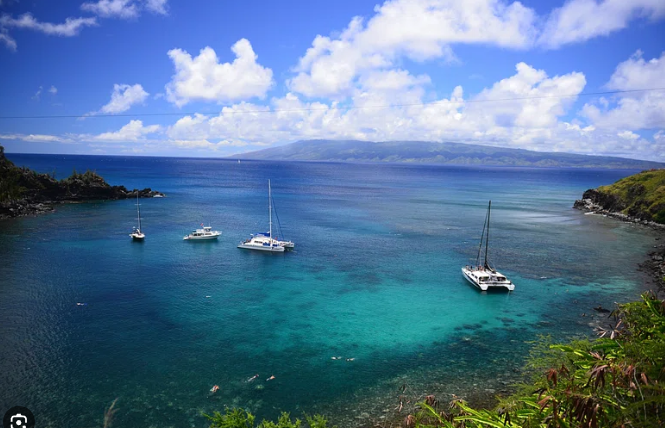
- Honolua Bay (best explored before 9am for snorkeling)
- La Perouse Bay (raw, volcanic coastline and wild energy)
- Makawao (a quiet, upcountry town with a cowboy-meets-artist vibe)
These places offer silence, space, and a slower pace—exactly what makes travel therapeutic.
More Than Just a Vacation
What makes Maui special as a healing destination is its ability to touch every part of your well-being.
- Physical: Ocean swims, long hikes, sunrise yoga—your body stays active but not stressed.
- Emotional: The scenery, people, and culture help release tension and invite calm.
- Spiritual: Whether it’s watching a sunrise from Haleakalā or just lying on a quiet beach, it’s easy to reconnect with yourself and something bigger.
If you’re traveling solo, Maui offers endless opportunities for introspection. If you’re with family, it’s the perfect setting to reconnect away from the usual distractions. Couples often find that shared experiences on the island deepen their bond in unexpected ways.
Travel Light—Mentally and Physically
Here’s your therapy homework: let go. Don’t over-plan your days with packed itineraries. Book your gear, food, and lodging ahead of time so the rest of the trip can flow. Don’t be afraid to say no to another tour, another dinner reservation, or another photo op. Say yes to naps. To sunsets. To quiet mornings with your toes in the sand and your phone in airplane mode.
Final Thoughts: Healing Doesn’t Have to Be Complicated
Traveling to Maui might be the best decision you make this year. Not just for the break from routine, but for the space it creates—physically, emotionally, and mentally.
Plan smart, book early, and keep it simple. From rich culture and tranquil beaches to convenient services like Maui beach gear rentals and food delivery, everything you need for a healing escape is already waiting.
Sometimes the best therapy is just a plane ride away.